RxCanadaPharm: Your Guide to Pharmaceuticals - Page 2

Medications and Driving: How Common Drugs Can Impair Your Ability to Drive Safely
Many common medications-prescription and over-the-counter-can severely impair driving ability, leading to crashes, legal trouble, and even death. Learn which drugs are most dangerous, how they affect your body, and what steps you can take to stay safe on the road.
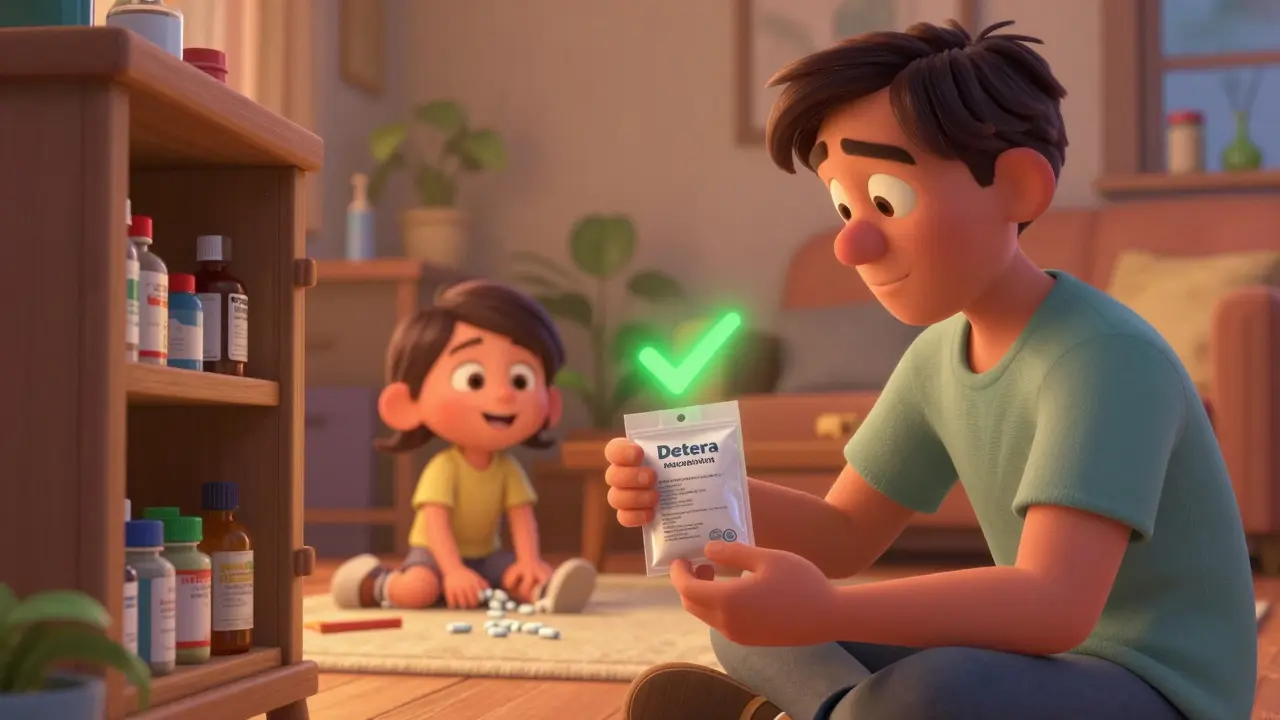
How to Dispose of Unused Opioids to Prevent Misuse and Overdose
Learn the four safe, proven ways to dispose of unused opioids to prevent misuse, accidental overdose, and environmental harm. From take-back programs to deactivation pouches, this guide gives you clear, actionable steps backed by CDC and FDA data.
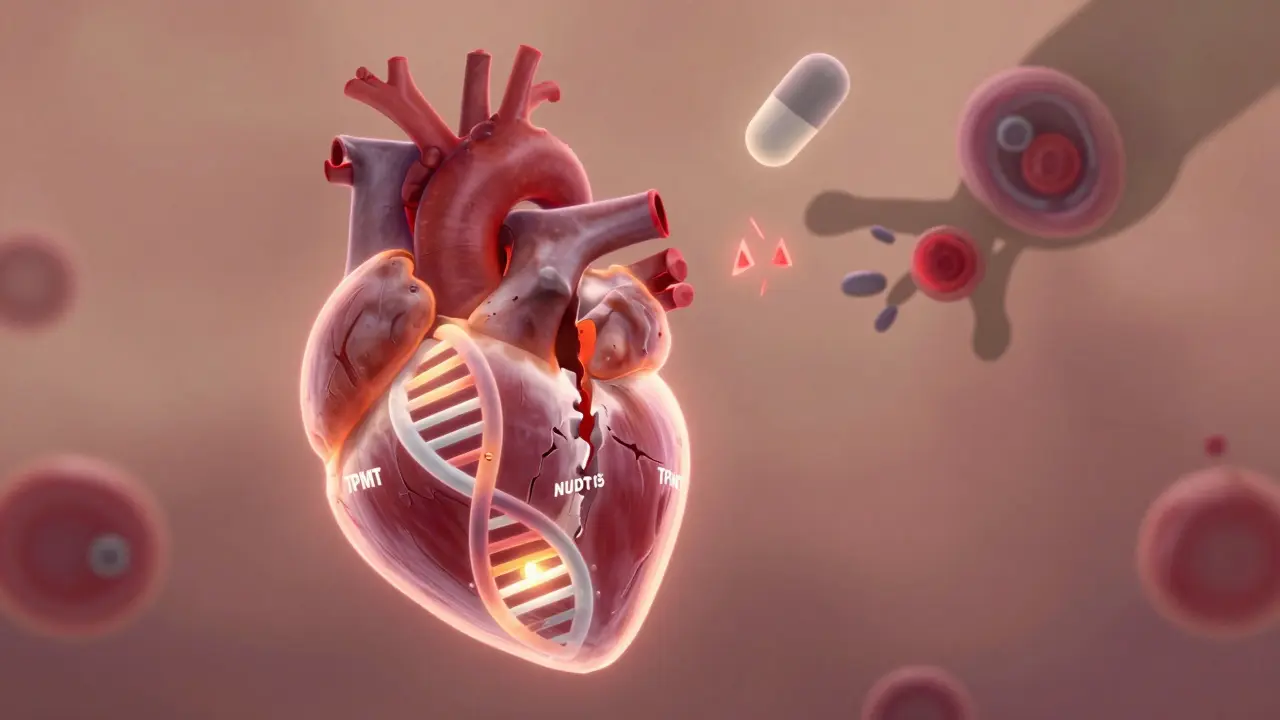
Azathioprine and TPMT Testing: How Genetic Screening Prevents Life-Threatening Side Effects
Azathioprine can cause life-threatening side effects in people with certain genetic variants. TPMT and NUDT15 testing helps identify those at risk before damage occurs, preventing severe myelosuppression and hospitalization.
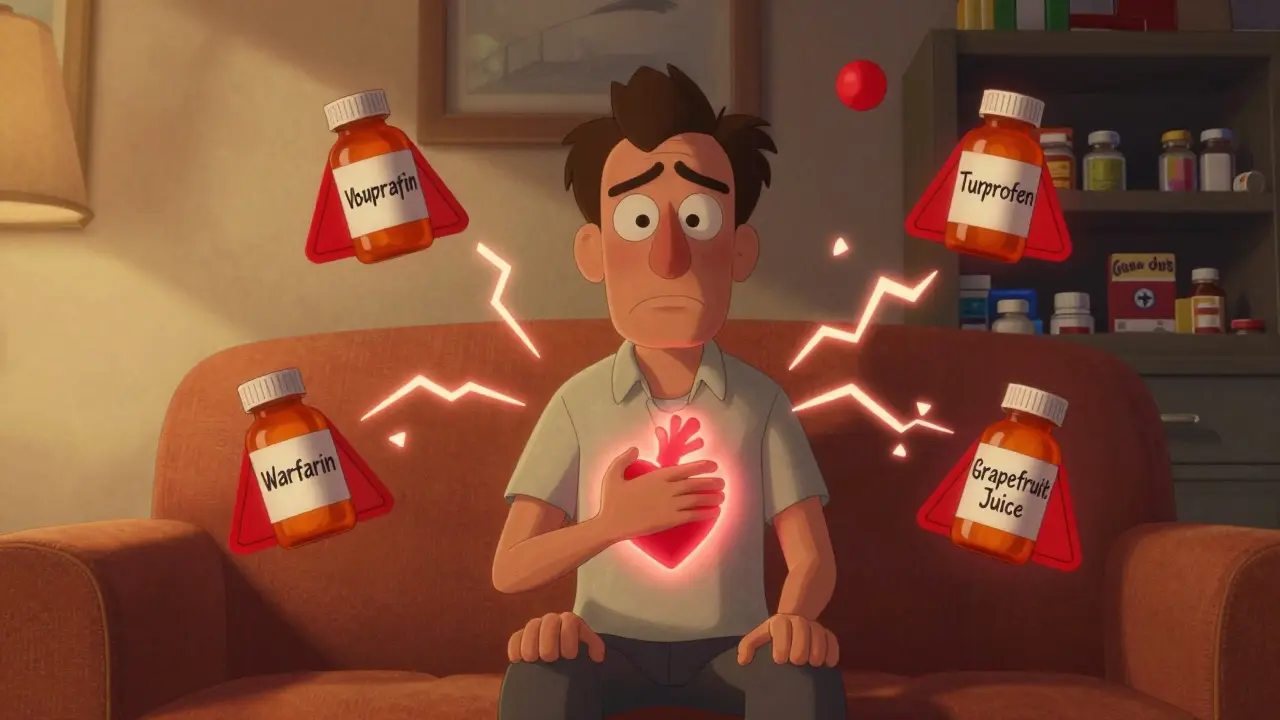
Heart Medications and Their Dangerous Combinations: What to Avoid
Heart medications can interact dangerously with common drugs and supplements, leading to life-threatening complications. Learn the top 7 dangerous combinations to avoid and what steps to take right now to protect yourself.
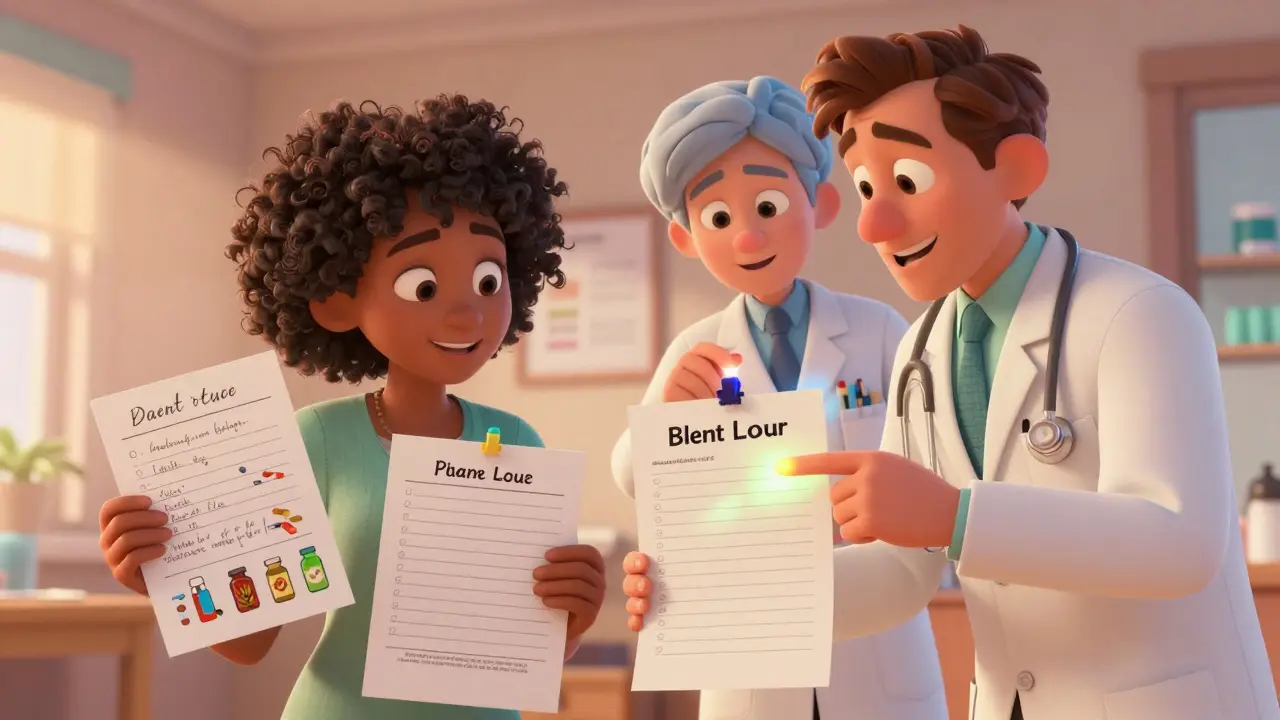
How to Reconcile Medications After Hospital Discharge to Avoid Dangerous Interactions
After hospital discharge, medication errors are common and dangerous. Learn how to reconcile your meds to avoid interactions, prevent readmissions, and take control of your health. Key steps include comparing lists, asking why changes were made, and talking to your pharmacist.
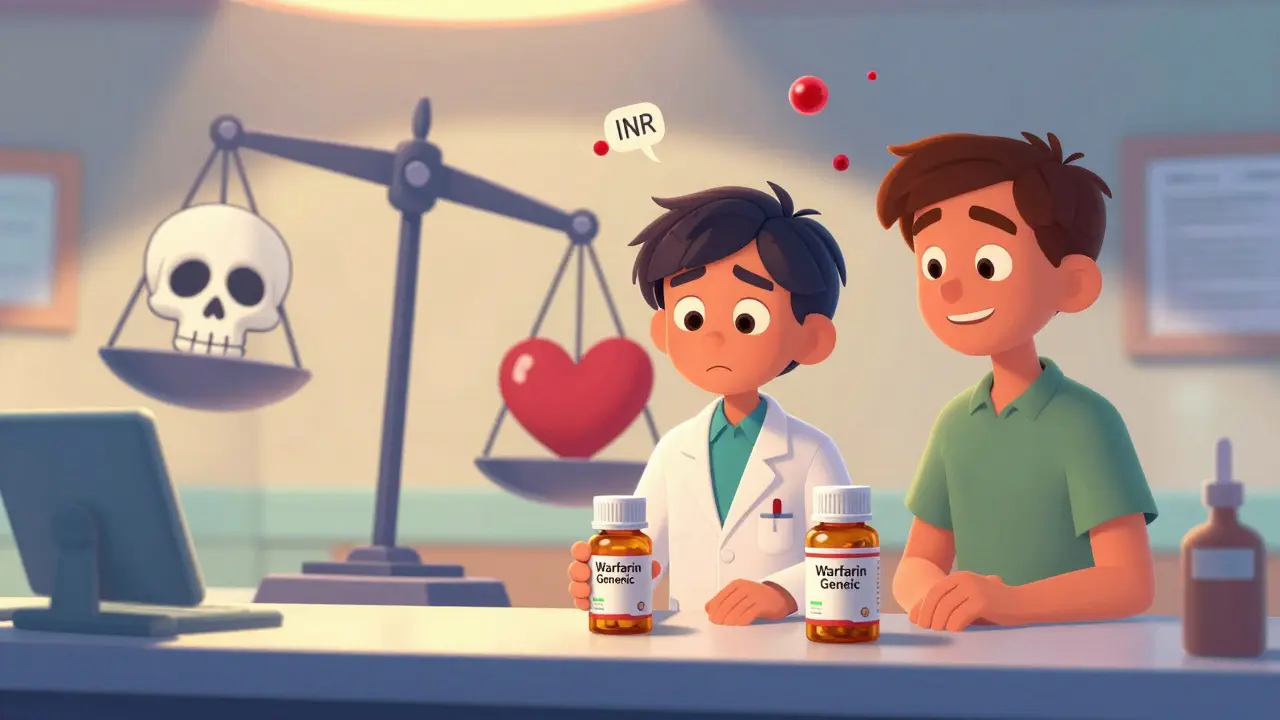
Pharmacist Concerns About NTI Generics: What You Need to Know in 2026
Pharmacists are raising alarms about NTI generics - drugs where tiny dosage changes can cause serious harm. With inconsistent manufacturing, patchy state laws, and rising adverse events, patient safety is at risk. Here’s what you need to know in 2026.

Global Perspectives on Generics: How Countries Cut Drug Costs Without Sacrificing Quality
Global policies on generic drugs vary wildly - from China's 90% price cuts to the U.S.'s 90% usage rate. Learn how countries balance affordability, quality, and supply - and what happens when the system breaks.
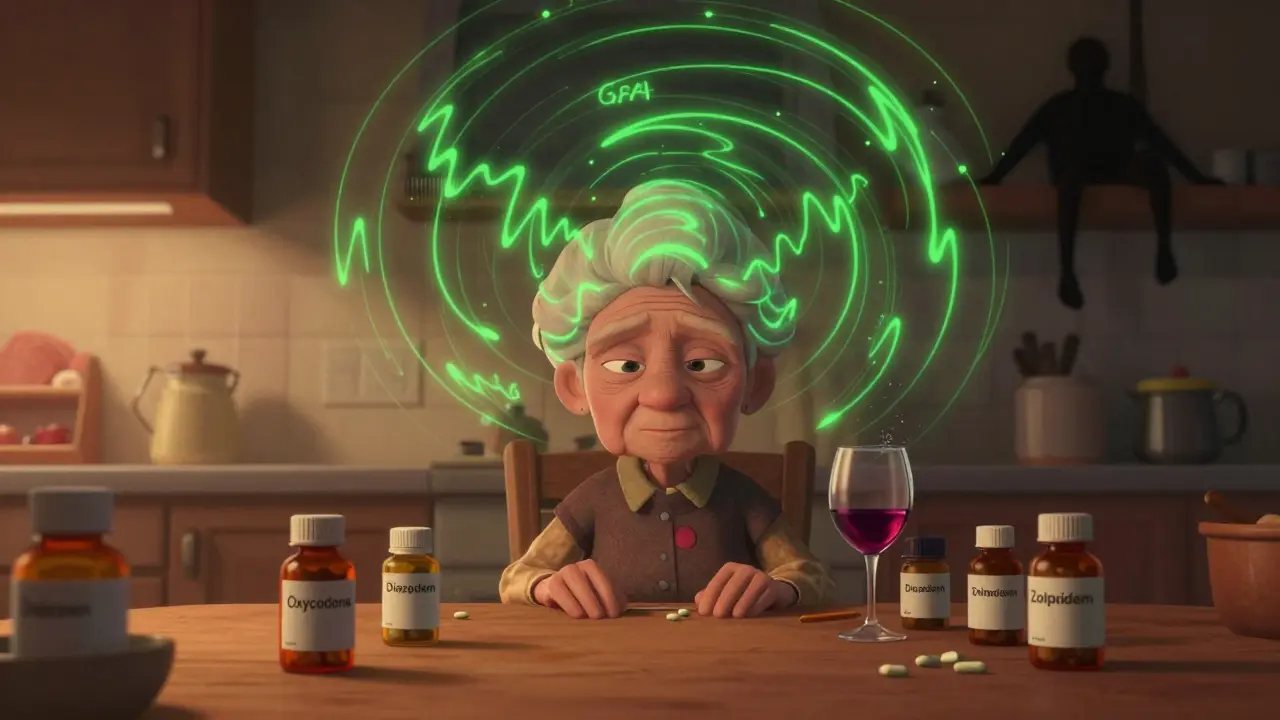
Combining Multiple Sedatives: The Hidden Danger of CNS Depression
Combining sedatives like opioids, benzodiazepines, and alcohol can cause deadly CNS depression. Learn the risks, who's most vulnerable, and how to stay safe - even if you're taking them as prescribed.

Neuropathic Pain: Nerve Damage and Gabapentin vs. Pregabalin
Neuropathic pain from nerve damage affects millions. Gabapentin and pregabalin are the most common treatments, but they differ in effectiveness, side effects, and cost. Learn which one may be right for you.
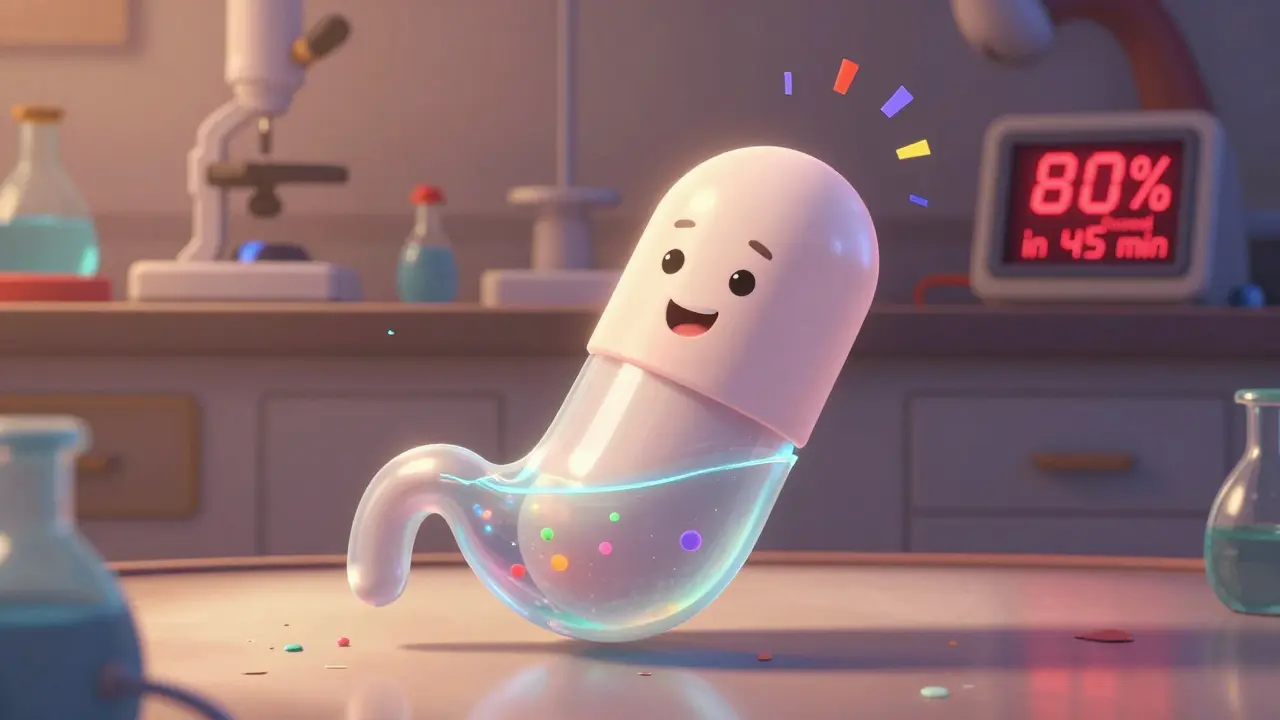
Dissolution Testing: How the FDA Ensures Generic Drug Quality
The FDA uses dissolution testing to ensure generic drugs release medicine at the same rate as brand-name versions, guaranteeing safety and effectiveness without requiring human trials. This science-based method is critical for approving affordable generics.