Cognitive Behavioral Therapy for Insomnia: What Works and What to Avoid
When you can’t sleep, it’s easy to reach for a pill. But cognitive behavioral therapy for insomnia, a structured, evidence-based approach that changes how you think and act around sleep. Also known as CBT-I, it’s the top-recommended treatment by sleep doctors—not because it’s new, but because it actually works. Unlike sleeping pills that mask the problem, CBT-I fixes the root causes: racing thoughts, bad sleep habits, and the fear of not sleeping.
CBT-I isn’t one thing—it’s a mix of tools. It includes sleep hygiene, practical habits like keeping a consistent bedtime and avoiding screens before sleep, and behavioral sleep therapy, techniques like stimulus control and sleep restriction that retrain your brain to associate bed with sleep, not stress. It also tackles the mental side: worrying about sleep, counting sheep, or checking the clock at 3 a.m. These habits keep your body in fight-or-flight mode, even when you’re lying still.
Studies show CBT-I works better than medication for long-term results. People who stick with it fall asleep faster, wake up less, and stay asleep longer—even after stopping therapy. And unlike pills, it doesn’t cause dizziness, memory issues, or dependency. The best part? You don’t need a fancy device or expensive app. Just a notebook, a clock, and the willingness to change your routine.
What you won’t find in CBT-I are quick fixes. It takes time—usually 4 to 8 weeks. But if you’ve tried melatonin, valerian, or sleeping pills that stopped working, this is where real change starts. The posts below cover everything from how to track your sleep patterns to why lying in bed awake for hours makes it worse, and how to talk to your doctor about getting CBT-I covered by insurance. No fluff. Just what actually helps people sleep better—without drugs.
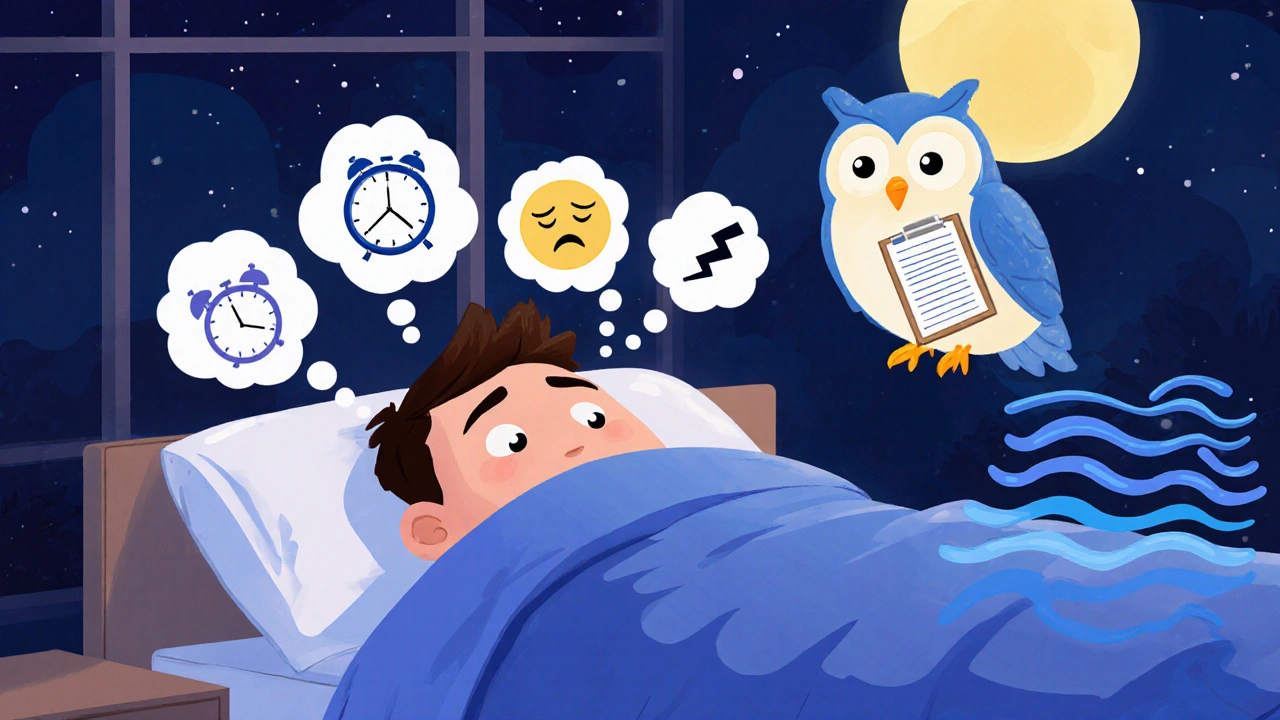
Insomnia: Why Cognitive Behavioral Therapy Beats Sleep Medications Long-Term
CBT-I is the most effective, long-lasting treatment for chronic insomnia-beating sleep medications in both effectiveness and safety. Learn how behavioral therapy rewires your sleep habits for good.