Hormone Replacement Therapy: What You Need to Know About Risks, Alternatives, and Managing Side Effects
When your body stops making enough hormones—whether from menopause, thyroid issues, or aging—Hormone Replacement Therapy, a medical treatment that adds back hormones like estrogen, progesterone, or testosterone to restore balance. Also known as hormone therapy, it can ease hot flashes, fatigue, and mood swings—but it’s not a one-size-fits-all fix. Many people start it hoping for relief, only to later wonder if the trade-offs are worth it. The truth? It works for some, but not without risks, especially if you’re taking other meds or have conditions like high blood pressure, liver disease, or a history of blood clots.
It’s not just about estrogen or testosterone. Menopause symptoms, the physical and emotional changes tied to declining estrogen levels during perimenopause and post-menopause often drive the decision to start therapy. But what you might not realize is that many of the same symptoms—brain fog, sleep trouble, low libido—can also come from thyroid problems, depression, or even medication side effects. That’s why jumping straight into hormones without checking other causes can lead to unnecessary treatment. And if you’re already on blood thinners, antidepressants, or cholesterol meds, adding hormones can create dangerous interactions. For example, estrogen can make some blood pressure drugs less effective, while testosterone can raise red blood cell counts too high, increasing clot risk.
People often think hormone therapy is the only solution, but it’s not. Estrogen therapy, the most common form of hormone replacement, typically used for women with severe hot flashes and vaginal dryness comes in pills, patches, gels, or creams—and each has different risks. Patches may be safer for those with liver issues, while creams avoid the liver entirely. Then there’s Testosterone replacement, used for men with low T, often due to aging or medical conditions. It can boost energy and muscle mass, but it can also shrink testicles, worsen sleep apnea, and raise heart risks if not monitored closely. And if you’re on antidepressants or have a history of mood disorders, adding hormones can flip your emotional balance in ways you didn’t expect.
What you’ll find in the posts below aren’t ads or opinions—they’re real, practical guides from people who’ve been there. You’ll learn how to tell the difference between a normal side effect and something dangerous, how to talk to your doctor about alternatives, and why skipping doses or mixing supplements can backfire. There’s no sugarcoating: hormone therapy can help, but only if you know what you’re getting into. These posts give you the facts you need to decide—not just what your doctor says, but what actually happens when people take it long-term, what goes wrong, and how to fix it before it gets serious.
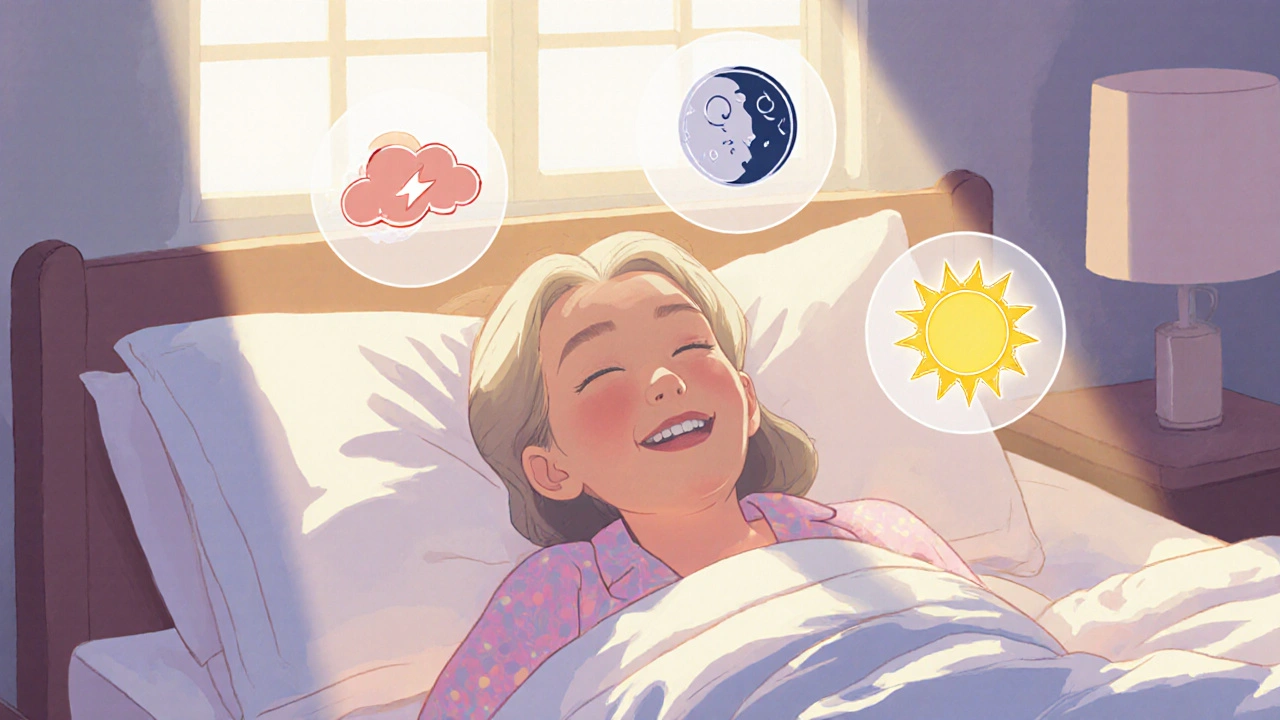
Hormone Replacement Therapy: Benefits, Risks, and Monitoring
Hormone Replacement Therapy can relieve menopause symptoms and protect bone health-but only when used correctly. Learn who benefits, what the real risks are, and how to monitor HRT safely.