Menopause Treatment: What Works, What Doesn’t, and How to Stay in Control
When menopause treatment, the medical and lifestyle approaches used to manage symptoms caused by declining estrogen levels during perimenopause and postmenopause. Also known as hormone replacement therapy, it’s not just about stopping hot flashes—it’s about protecting your bones, heart, and quality of life as your body changes. hits, it doesn’t mean you have to suffer. Millions of women face night sweats, trouble sleeping, vaginal dryness, and brain fog, but not everyone needs pills. Some find relief with simple tweaks. Others need targeted help. The key is knowing what options are safe, effective, and right for your body—not just what’s advertised.
Hormone therapy, the use of estrogen, sometimes with progesterone, to replace declining hormones during menopause is still the most reliable fix for severe hot flashes and night sweats. But it’s not for everyone. If you’ve had breast cancer, blood clots, or liver disease, your doctor will steer you away. That’s where non-hormonal options, medications and lifestyle strategies that relieve menopause symptoms without using hormones come in. Drugs like gabapentin or low-dose antidepressants can calm hot flashes. Lifestyle moves—cutting caffeine, staying cool at night, doing pelvic floor exercises—help with sleep and dryness. And don’t overlook vitamin D and calcium; they’re not magic, but they keep bones strong when estrogen drops.
What you’ll find in these posts isn’t theory. It’s real advice from women who’ve been there. You’ll see how people navigate insurance denials for brand-name meds when generics don’t work. You’ll learn how to spot the difference between a side effect and a true allergy so you don’t get stuck on a drug that makes you sick. You’ll read about how to read labels so you don’t accidentally double-dose on acetaminophen while chasing sleep. You’ll find out why skipping pills isn’t laziness—it’s often cost, confusion, or fear. And you’ll see how family members can step in to help manage meds when memory gets fuzzy.
This isn’t about chasing quick fixes. It’s about building a plan that fits your life, your health history, and your goals. Whether you’re just starting to notice changes or you’ve been in menopause for years, the right treatment exists. You just need to know where to look—and what questions to ask.
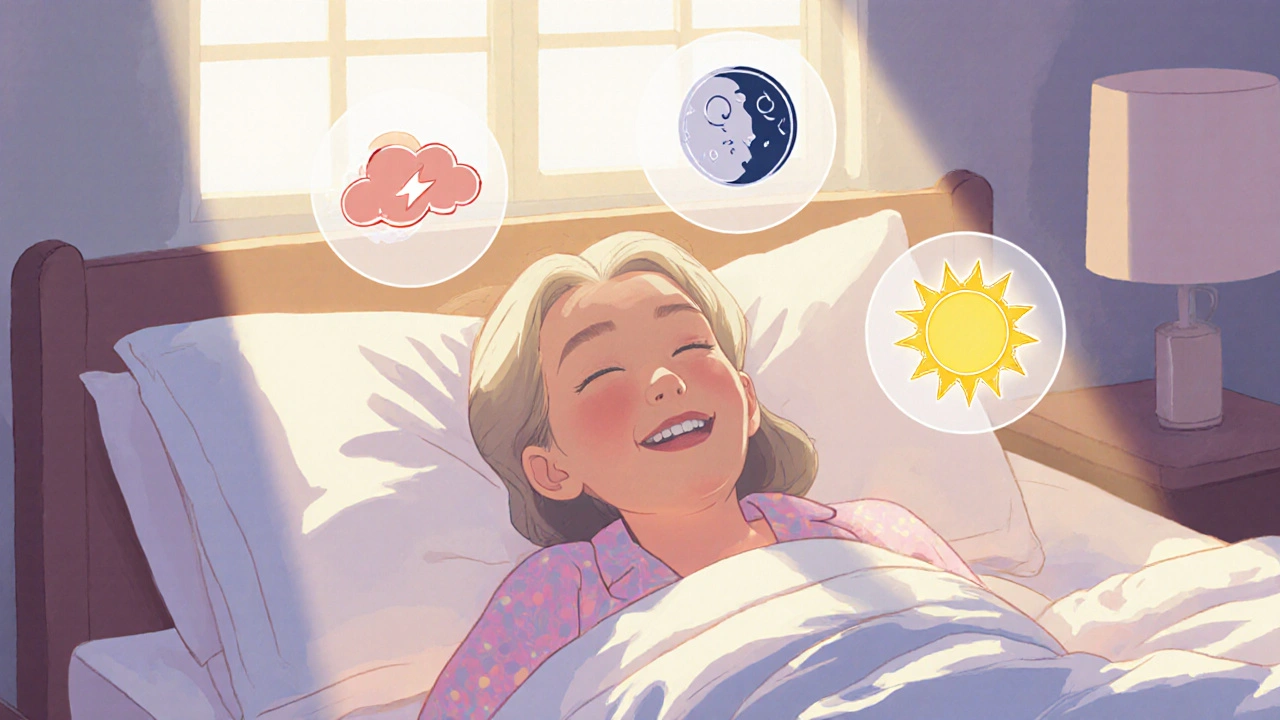
Hormone Replacement Therapy: Benefits, Risks, and Monitoring
Hormone Replacement Therapy can relieve menopause symptoms and protect bone health-but only when used correctly. Learn who benefits, what the real risks are, and how to monitor HRT safely.