Orthostatic Hypotension: Causes, Risks, and What You Can Do
When you stand up too fast and feel like the room is spinning, that’s not just being clumsy—it’s likely orthostatic hypotension, a sudden drop in blood pressure upon standing that causes dizziness, lightheadedness, or even fainting. Also known as postural hypotension, it happens when your body can’t adjust blood flow quickly enough to keep your brain supplied with oxygen. This isn’t just an old-person problem. It can hit anyone, especially if you’re dehydrated, on certain medications, or have nerve or heart issues.
What makes orthostatic hypotension, a condition where blood pressure falls more than 20 mm Hg systolic or 10 mm Hg diastolic within 3 minutes of standing dangerous is how quietly it sneaks up. You might think it’s just aging, but it’s often linked to things like blood pressure medications, including ACE inhibitors, diuretics, and beta-blockers, or conditions like diabetes, Parkinson’s, or heart failure. Even a hot shower or a big meal can trigger it. If you’re taking lisinopril-HCTZ, atenolol, or duloxetine, you’re more likely to experience this drop—because these drugs affect your nervous system or fluid balance. It’s not the medication’s fault, but it’s worth tracking when you feel dizzy.
Most people don’t realize that simple habits can make a huge difference. Slow down when standing. Drink more water. Avoid alcohol. Wear compression socks. Eat smaller meals. These aren’t just tips—they’re proven ways to reduce episodes. If you’ve had falls or near-falls, talk to your doctor. Sometimes it’s as simple as adjusting a dose or switching a drug. Other times, it’s about managing underlying conditions like autonomic neuropathy, nerve damage that impairs blood pressure regulation, often seen in long-term diabetics.
The posts below cover real-world cases and solutions. You’ll find how drugs like lisinopril-HCTZ and atenolol can trigger dizziness, how duloxetine affects blood pressure control, and what to do when you’re caught between managing one condition and avoiding another. No fluff. Just clear, practical info from people who’ve been there—and doctors who’ve seen it too.
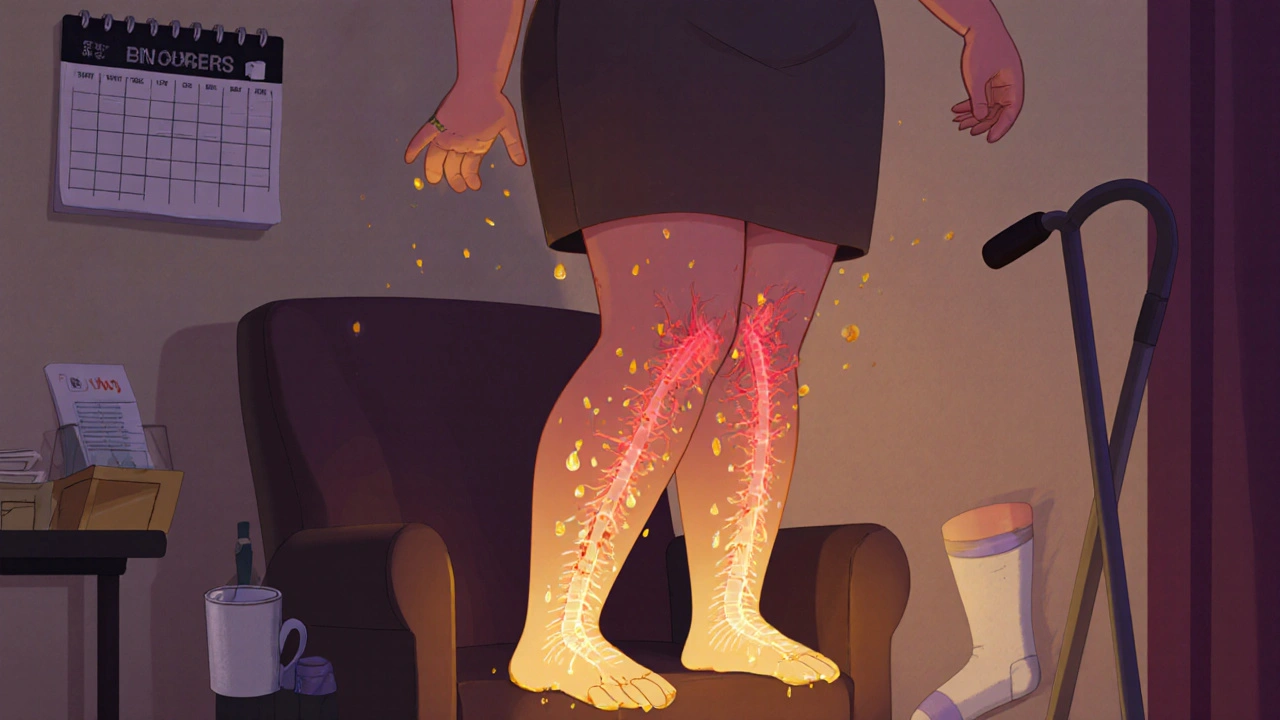
Midodrine and Sjögren’s Syndrome: Can It Help With Low Blood Pressure?
Midodrine can help manage orthostatic hypotension in Sjögren’s syndrome by tightening blood vessels when standing. It’s not a cure, but many patients report fewer fainting episodes and improved daily function with proper use.