Sjögren's Syndrome: Symptoms, Treatments, and What You Need to Know
When your eyes feel like they’re full of sand and your mouth won’t produce enough saliva to swallow, it’s not just aging—it could be Sjögren's syndrome, an autoimmune disorder where the immune system attacks moisture-producing glands. Also known as Sjögren’s disease, it often shows up in people over 40, especially women, and doesn’t just cause discomfort—it can lead to serious complications if ignored.
Sjögren's syndrome doesn’t happen in a vacuum. It’s closely linked to other autoimmune conditions like rheumatoid arthritis, a chronic joint inflammation disorder and lupus, a systemic autoimmune disease that can affect skin, kidneys, and organs. Many people with Sjögren’s are diagnosed after already having one of these. The dryness isn’t just annoying—it’s a sign your body’s defense system is misfiring. Salivary and tear glands get damaged, leading to dental decay, vision problems, and even trouble speaking or eating. Some patients develop nerve damage, lung issues, or kidney inflammation, which is why tracking symptoms over time matters.
There’s no cure, but managing Sjögren’s is about controlling symptoms and protecting your body from further harm. Artificial tears, saliva substitutes, and medications that boost gland function can help. If inflammation spreads beyond the glands, doctors may prescribe immunosuppressants or anti-inflammatories. Lifestyle changes matter too—staying hydrated, avoiding dry air, and skipping alcohol or antihistamines that dry you out further. It’s not about quick fixes; it’s about daily habits that keep you comfortable and prevent long-term damage.
The posts below cover real-world strategies for handling the side effects and related conditions that come with Sjögren’s syndrome. You’ll find practical advice on managing dryness, understanding how it overlaps with other autoimmune diseases, and what medications might help—or hurt—your situation. Whether you’re newly diagnosed or have been living with it for years, these guides offer clear, no-fluff insights you can use today.
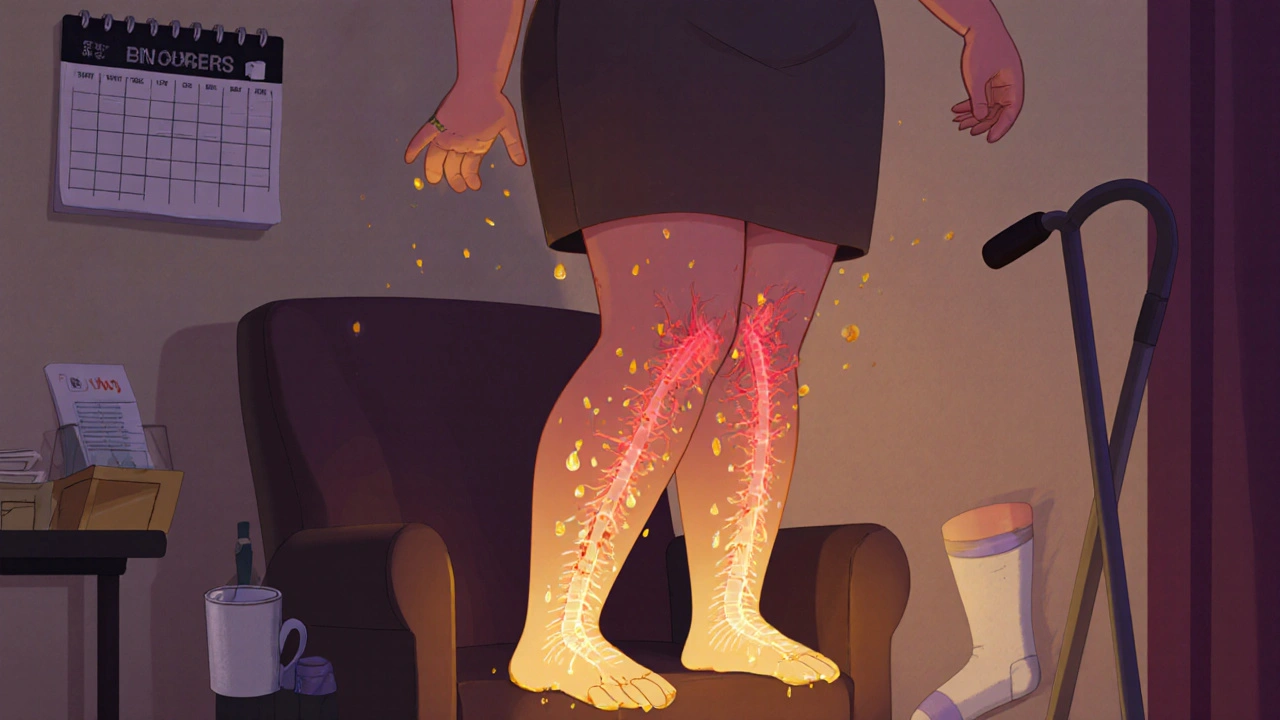
Midodrine and Sjögren’s Syndrome: Can It Help With Low Blood Pressure?
Midodrine can help manage orthostatic hypotension in Sjögren’s syndrome by tightening blood vessels when standing. It’s not a cure, but many patients report fewer fainting episodes and improved daily function with proper use.