Sleep Hygiene: Better Nights Start with Simple Daily Habits
When you struggle to fall asleep or wake up tired every day, it’s rarely just bad luck. More often, it’s your sleep hygiene, the daily habits and environment that shape how well you sleep. Also known as sleep habits, it’s not about fancy gadgets or expensive mattresses—it’s about the small, repeatable choices you make before bed and during the day. Think of it like brushing your teeth: you don’t wait until you have a cavity to start. You do it every day because it prevents bigger problems.
Good sleep hygiene means keeping a regular schedule—even on weekends. Your body’s internal clock, or circadian rhythm, the natural 24-hour cycle that regulates sleep and wakefulness, thrives on predictability. If you go to bed at 2 a.m. on Friday and wake up at 6 a.m. on Monday, you’re not just tired—you’re disrupting your biology. That’s why people with insomnia, trouble falling or staying asleep despite having time and opportunity to sleep often improve just by fixing their routine, not by popping pills.
It’s not just about bedtime. What you do during the day matters too. Drinking coffee after 2 p.m., scrolling in bed, or napping past 3 p.m. can all sabotage your sleep—even if you think you’re fine. Your bedroom should be a sleep-only zone. No work, no TV, no phone. That’s not a suggestion; it’s science. The same way your dog knows it’s mealtime when they hear the can opener, your brain learns to associate your bed with wakefulness if you use it for everything.
And while many turn to supplements or sleep trackers, the real fix is often simpler: dim the lights an hour before bed, get sunlight in the morning, and avoid heavy meals late at night. These aren’t tricks—they’re signals your body understands. People who fix their sleep hygiene don’t always sleep more hours—they sleep better. That’s the difference between lying in bed for eight hours and actually resting for seven.
You’ll find real stories below from people who turned their sleep around—not with pills, but by changing one habit at a time. Some struggled with sleep disorders, medical conditions like sleep apnea or restless legs that interfere with rest and learned how to work with their doctors. Others just couldn’t stop checking their phones and found that turning off notifications made all the difference. No one here was born a great sleeper. They just decided to stop making the same mistakes.
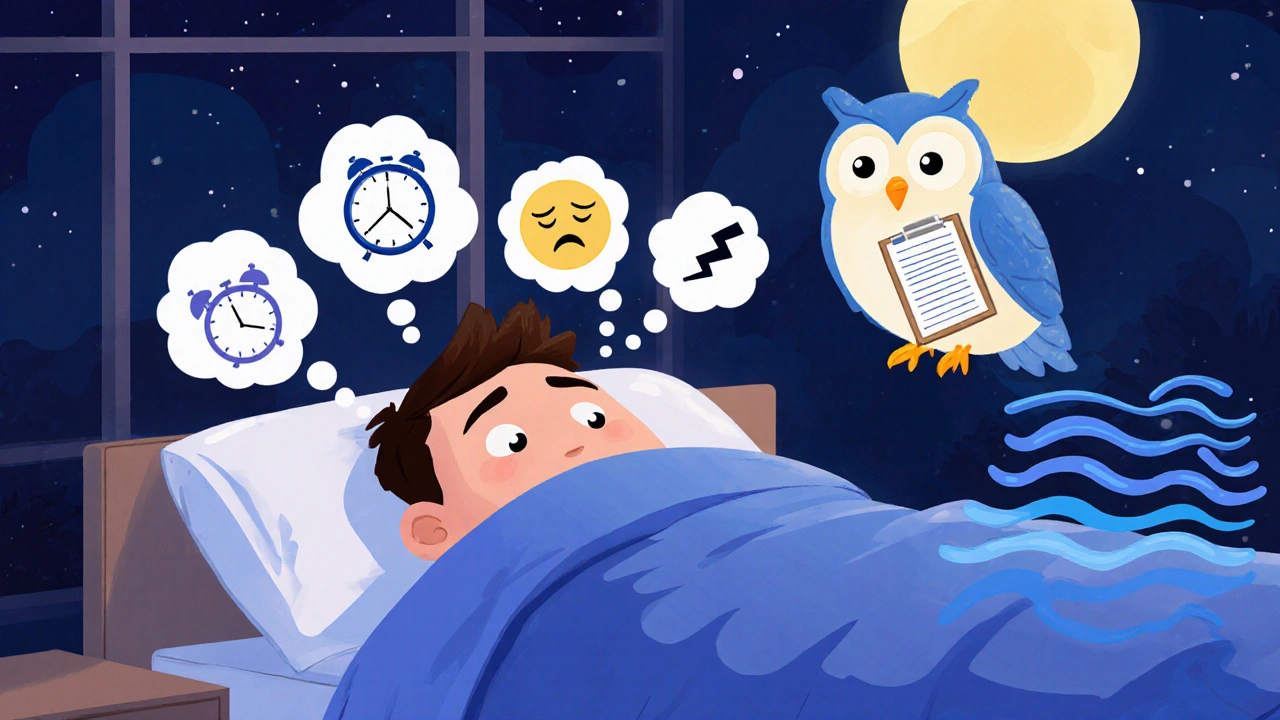
Insomnia: Why Cognitive Behavioral Therapy Beats Sleep Medications Long-Term
CBT-I is the most effective, long-lasting treatment for chronic insomnia-beating sleep medications in both effectiveness and safety. Learn how behavioral therapy rewires your sleep habits for good.