Sleep Medications: What Works, What Risks, and What to Ask Your Doctor
When you can’t sleep, sleep medications, prescription or over-the-counter drugs used to treat insomnia by helping you fall or stay asleep. Also known as hypnotics, they’re meant for short-term relief, not lifelong dependency. Many people reach for them after a bad night—or three—but few realize how easily these drugs can change your brain’s natural sleep rhythm. The problem isn’t just that they work too well; it’s that they stop working the way you expect over time.
Not all sleep aids are created equal. Some, like zolpidem or eszopiclone, target specific brain receptors to calm activity quickly. Others, like certain antidepressants or antihistamines, are used off-label because they cause drowsiness as a side effect. But here’s the catch: insomnia treatment, the approach to managing trouble sleeping through medication, behavioral changes, or both shouldn’t rely only on pills. Studies show that cognitive behavioral therapy for insomnia (CBT-I) works better long-term than any drug—but most people never hear about it because doctors still prescribe pills first.
Then there’s the risk. Long-term use of prescription sleep aids, drugs approved by health authorities specifically for treating sleep disorders can lead to tolerance, withdrawal symptoms, memory issues, and even falls in older adults. One 2022 analysis found that people using these drugs regularly had a 40% higher chance of being hospitalized for injuries related to dizziness or confusion the next day. And if you’re already taking other meds—like blood pressure pills, painkillers, or antidepressants—the interactions can be dangerous. That’s why knowing your full medication list matters more than you think.
Many users don’t realize how often they skip doses or take extra pills because they’re afraid of another sleepless night. That’s medication adherence, how consistently a person takes their drugs as prescribed—and it’s broken more often with sleep meds than almost any other category. People forget. People double up. People keep using them years after they were meant to be temporary. And no one tells them it’s okay to stop.
What you’ll find below isn’t a list of the best sleep pills. It’s a collection of real, practical insights from people who’ve been there: how to tell if your sleep aid is doing more harm than good, why some generics work differently than others, what to say when your doctor pushes another prescription, and how to safely reduce or quit without waking up to panic attacks or rebound insomnia. These aren’t theory pieces—they’re lived experiences, backed by science, stripped of hype. If you’ve ever stared at the ceiling wondering if another pill is the answer, this is where you start.
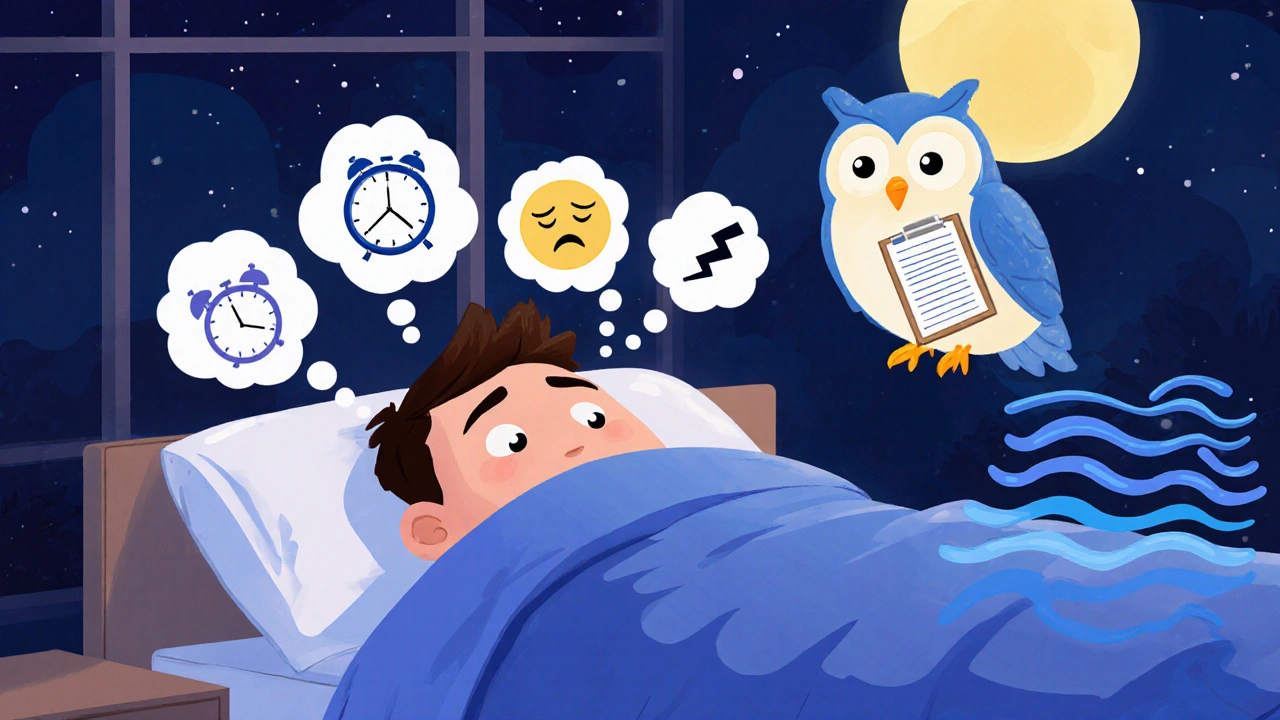
Insomnia: Why Cognitive Behavioral Therapy Beats Sleep Medications Long-Term
CBT-I is the most effective, long-lasting treatment for chronic insomnia-beating sleep medications in both effectiveness and safety. Learn how behavioral therapy rewires your sleep habits for good.