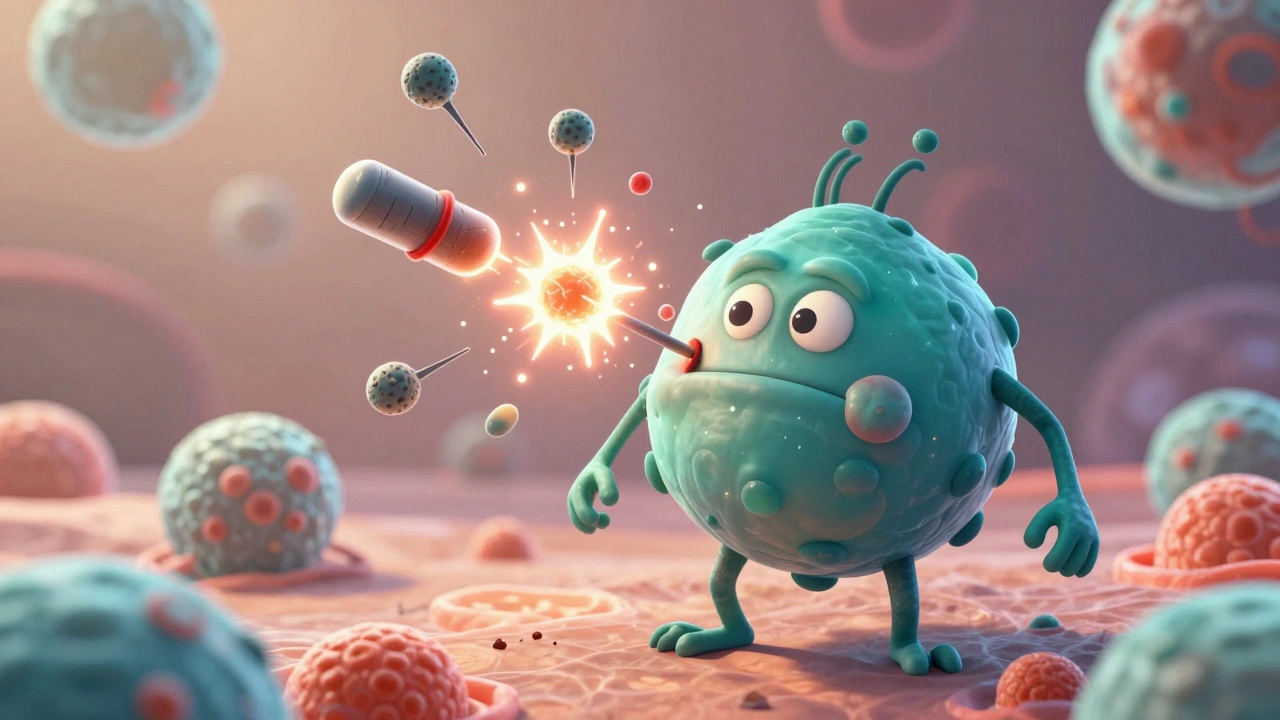
Antibiotics don’t cure colds. They don’t touch viruses. But when you have a real bacterial infection-like strep throat, a stubborn urinary tract infection, or pneumonia-they can be life-saving. The problem? Most people don’t know how they actually work. And that lack of understanding leads to misuse, resistance, and worse outcomes.
What Antibiotics Actually Do
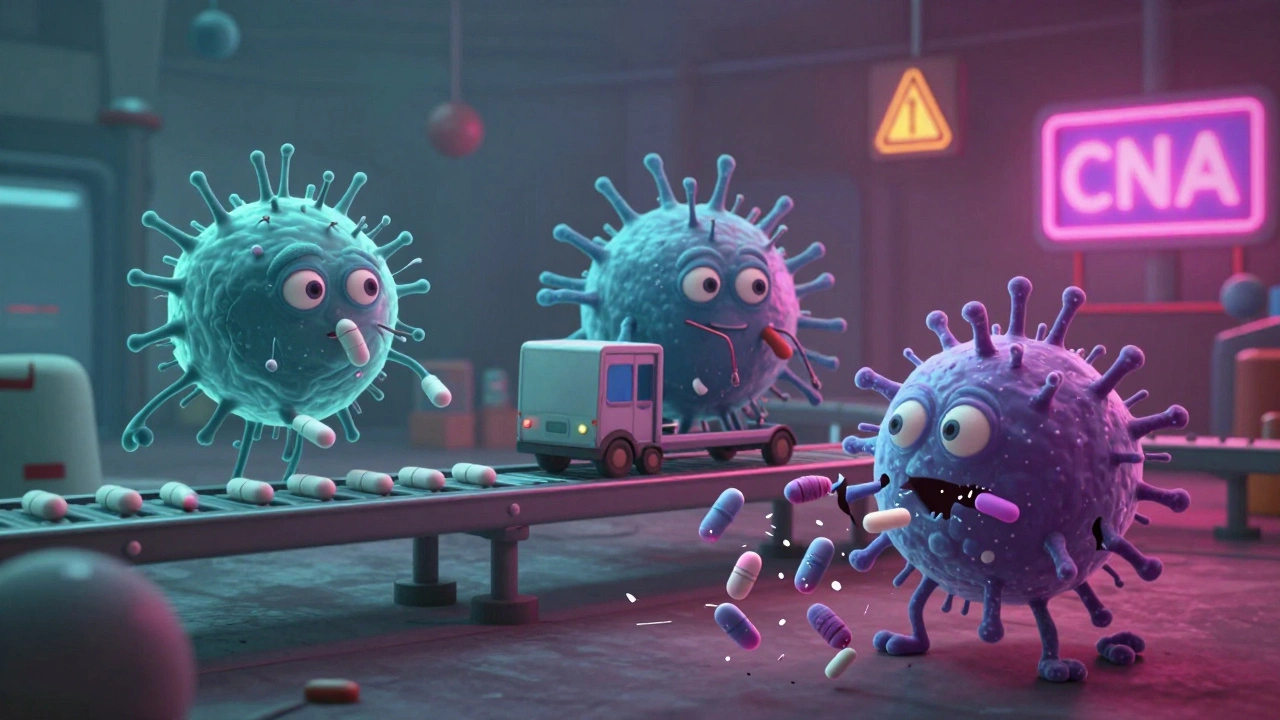
Antibiotics are designed to target bacteria, not viruses. They either kill bacteria outright (bactericidal) or stop them from multiplying (bacteriostatic). Think of it like shutting down a factory: some antibiotics smash the walls, others jam the assembly line, and some sabotage the blueprints.
The first antibiotic, penicillin, was discovered in 1928. By the 1940s, it was being used on soldiers in WWII to treat infected wounds. Today, over 100 different antibiotics exist. But resistance is growing fast. The World Health Organization reports that 73 billion daily doses of antibiotics are used globally each year-and in many places, more than half of common bacteria like E. coli are now resistant to fluoroquinolones.
How Antibiotics Attack: The Four Main Ways
Antibiotics work by hitting specific parts of bacteria that human cells don’t have. That’s why they can be safe for us-but deadly to the bugs. There are four main ways they do this.
1. Destroying the Cell Wall
Bacteria have a tough outer shell made of peptidoglycan. It’s like their body armor. Without it, they swell up and burst from internal pressure. That’s what beta-lactams do-penicillins, amoxicillin, and cephalosporins.
These drugs mimic a building block the bacteria use to build their wall. They bind to proteins called penicillin-binding proteins (PBPs) and block the final step of wall construction. The bacteria keep growing, but their walls stay weak. Then they explode.
Cephalosporins come in four generations. First-gen, like cefalexin, are good for skin infections. Third-gen, like ceftriaxone, work on tougher Gram-negative bugs like E. coli and even Pseudomonas. Fourth-gen, like cefepime, cover both. But they all fall apart if the bacteria produce beta-lactamase enzymes-proteins that chop up the drug before it can work.
2. Stopping Protein Production
Bacteria make proteins using tiny machines called ribosomes. Human ribosomes are different, so antibiotics can target the bacterial ones without harming us.
Macrolides like azithromycin and erythromycin bind to the 50S part of the ribosome. They stop the ribosome from moving along the protein blueprint, so no new proteins get made. That’s why they’re often used for pneumonia, bronchitis, and even some STIs.
Tetracyclines like doxycycline latch onto the 30S ribosomal subunit. They block the tRNA from attaching, halting protein assembly. They’re broad-spectrum and used for acne, Lyme disease, and even some tick-borne illnesses. But they can stain kids’ teeth if given under age 8, and they make your skin super sensitive to sunlight.
Aminoglycosides like gentamicin also hit the 30S subunit-but they cause the ribosome to misread the genetic code. The bacteria end up making broken, useless proteins. These are powerful but risky: they can damage kidneys and hearing. And they don’t work on anaerobic bacteria because they need oxygen to get inside the cell.
Linezolid, an oxazolidinone, is newer. It stops protein synthesis right at the start-before the ribosome even forms. It’s one of the few fully synthetic antibiotic classes and is reserved for resistant infections like MRSA.
3. Breaking DNA and RNA
Fluoroquinolones-ciprofloxacin, levofloxacin-are the go-to for urinary and respiratory infections. They attack bacterial DNA by blocking two enzymes: DNA gyrase and topoisomerase IV. These enzymes normally untwist and separate DNA strands so the cell can copy itself. Without them, the bacteria can’t replicate.
These drugs penetrate deep into tissues-bones, lungs, even inside cells. That makes them great for complex infections. But they come with serious warnings: tendon ruptures, nerve damage, and even mental health side effects. The FDA added a black box warning in 2022. They’re no longer first-line for simple infections like sinusitis or bronchitis.
Metronidazole works differently. It’s activated inside anaerobic bacteria and protozoa. Once activated, it shreds their DNA. That’s why it’s used for C. diff, bacterial vaginosis, and abdominal infections. But if you drink alcohol while taking it, you’ll get a nasty reaction-nausea, vomiting, rapid heartbeat. About 60-70% of people experience it.
4. Blocking Folate Synthesis
Bacteria need folate to make DNA and RNA. But unlike humans, they can’t get it from food-they have to make it themselves. Sulfonamides like sulfamethoxazole block the enzyme that starts this process.
Used alone, they’re outdated. Resistance is too high. But when combined with trimethoprim (as co-trimoxazole), they hit two steps in the same pathway. That’s why this combo is still used for urinary infections and Pneumocystis pneumonia in immunocompromised patients.
Why Some Antibiotics Work Better Than Others
Not all antibiotics are created equal. Some are narrow-spectrum, targeting only a few types of bacteria. Others are broad-spectrum, hitting many at once.
Narrow-spectrum drugs like penicillin G are ideal when you know the bug. They’re safer for your gut microbiome. Broad-spectrum drugs like amoxicillin-clavulanate or levofloxacin are used when the cause is unknown-but they wipe out good bacteria too. That’s why Clostridioides difficile infections are rising. Studies show broad-spectrum antibiotics increase your risk of C. diff by 17 times compared to narrow ones.
And here’s the catch: the more you use a broad-spectrum antibiotic, the faster resistance builds. In Europe, 85% of doctors stick to narrow-spectrum penicillins for strep throat. In the U.S., it’s only 45%. That’s one reason resistance is worse here.
What Doctors Actually Do When Prescribing
It’s not just about picking the right drug. It’s about timing, dose, and duration.
Doctors use guidelines from the Infectious Diseases Society of America (IDSA) and tools like procalcitonin testing. Procalcitonin is a blood marker that rises in bacterial infections but stays low in viral ones. Studies show using it cuts unnecessary antibiotic prescriptions by 23% in pneumonia and bronchitis cases.
But many doctors still prescribe antibiotics for viral colds. The CDC says 30% of outpatient antibiotic prescriptions in the U.S. are inappropriate. Why? Pressure from patients. Fear of missing something. Lack of quick tests.
Specialists-those with 2-3 extra years of training-know how to balance risk and benefit. They consider kidney and liver function, allergies, drug interactions, and local resistance patterns. The CDC’s Antibiotic Resistance Laboratory Network tracks real-time resistance data across 700 labs. That helps doctors choose what’s likely to work in your area.
What’s Coming Next
Resistance isn’t slowing. But science is fighting back.
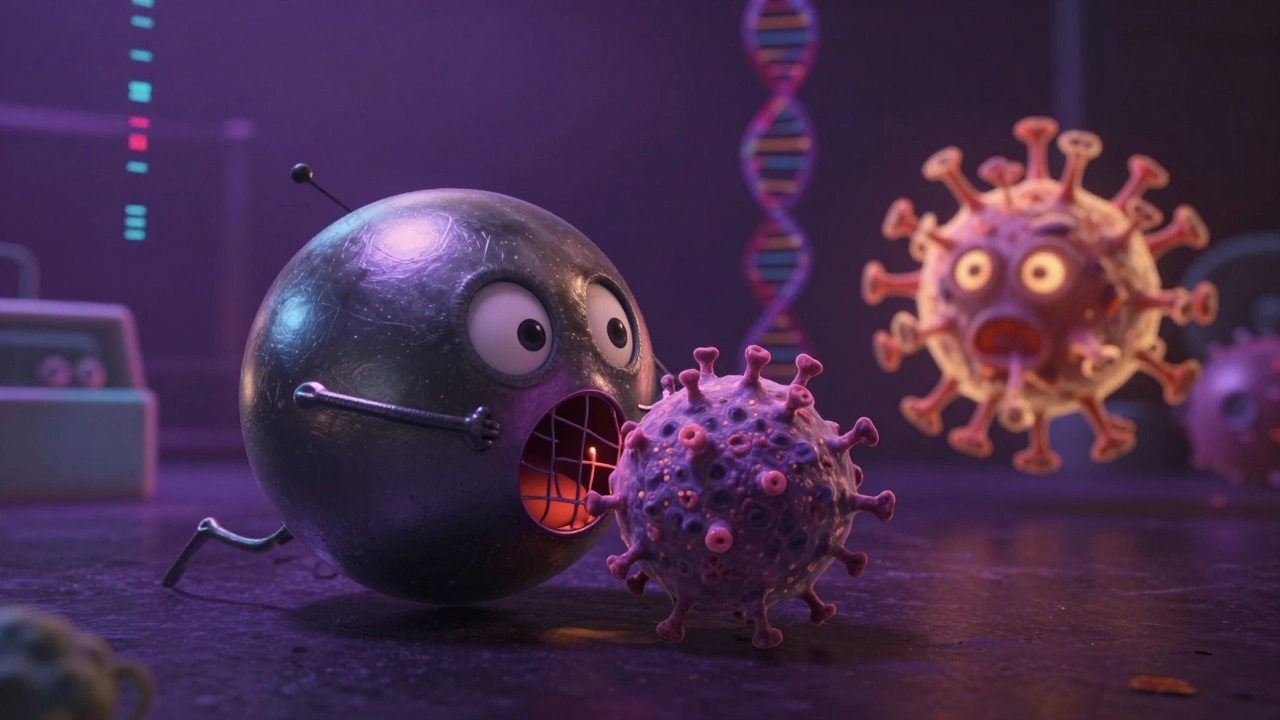
Cefiderocol, approved in 2019, is a clever hack. It’s a cephalosporin disguised as iron. Bacteria suck up iron to survive, so they pull this drug right into their cells-even resistant ones. It’s working against carbapenem-resistant infections with 75% success rates.
Phage therapy is also making a comeback. Viruses that only infect bacteria are being tested in clinical trials for stubborn Pseudomonas infections. The European Medicines Agency has created special pathways to fast-track them.
And then there’s the money problem. Developing a new antibiotic costs over $1.5 billion. But companies only make about $17 million a year selling it. That’s why so few are in development. The UK tried something radical: a “Netflix model.” Pay a flat fee of £76 million a year for access to new antibiotics, no matter how much is used. That way, companies get paid for innovation, not volume. It’s a pilot-but it might be the future.
What You Can Do
You don’t need to be a doctor to help fight resistance.
- Never take antibiotics unless prescribed.
- Never save leftovers for next time.
- Never share them with someone else.
- Finish the full course-even if you feel better.
- Ask your doctor: “Is this really a bacterial infection?”
Antibiotics are powerful. But they’re not magic. They’re tools. And like any tool, they work best when used correctly-and only when needed.
Man, I remember when my buddy got sepsis after a simple cut. Docs hit him with ceftriaxone like a sledgehammer-saved his life. But the real kicker? His grandma was on amoxicillin for a 'sinus infection' for three weeks straight. Turns out it was allergies. We’re drowning in misuse and nobody’s talking about it.
STOP treating antibiotics like candy. I work in urgent care and 60% of the people who walk in demand them for a cold. You don’t need a script to get better-you need rest, fluids, and patience. The CDC data is screaming at us and we’re still ignoring it. This isn’t just about you-it’s about the next person who gets a superbug because we didn’t act.
So let me get this straight-you’re telling me we’re supposed to trust doctors who prescribe Z-Pack for bronchitis like it’s a Starbucks coupon? Meanwhile, the real science says fluoroquinolones can turn your tendons into wet spaghetti? I’ve seen guys on levofloxacin limp like they’re auditioning for a zombie movie. And now we’re supposed to feel bad for not taking them? Nah. This whole system’s rigged.
It is imperative to emphasize that the responsible use of antimicrobial agents remains a cornerstone of public health infrastructure. The data presented in this post is both comprehensive and compelling, particularly regarding the distinction between bactericidal and bacteriostatic mechanisms. One must also acknowledge the critical role of procalcitonin-guided therapy in reducing inappropriate prescribing, as evidenced by multiple randomized controlled trials.
Everyone’s acting like they’re doctors now. But here’s the truth-most of you wouldn’t know a beta-lactam from a beta-blocker. You just read a Wikipedia page and now you’re telling your cousin not to take amoxicillin? You think your ‘natural remedies’ are gonna save the world? C’mon. Antibiotics aren’t evil. They’re just tools. And if you’re too lazy to get a real diagnosis, don’t blame the medicine.
I’ve been thinking about this for weeks. I mean, think about it-antibiotics are literally designed to kill things that are alive, right? And we’re just tossing them around like confetti. But what about the microbiome? The trillions of good bacteria in your gut that help you digest food, make vitamins, regulate your immune system? They don’t care if it’s a ‘bad’ bug or not-they get wiped out too. I’ve had chronic bloating since I took clindamycin for a tooth infection back in 2018. I’ve been on probiotics ever since, but nothing fixes it. And nobody talks about this. Nobody. The doctors just say ‘take yogurt.’ Like that’s a cure. It’s not. It’s a band-aid on a severed artery.
Really appreciate how this breaks down the four mechanisms. I didn’t realize cefiderocol tricks bacteria by pretending to be iron-that’s wild. And the Netflix model for antibiotics? Genius. Why do we pay for streaming content but not for life-saving science? We need to fund innovation, not just punish companies for not selling millions of pills. Also, if you’re taking metronidazole, DO NOT drink. I learned that the hard way. My night out turned into a hospital trip. Worth the lesson.
Let’s be honest-most people who use antibiotics are just irresponsible. They don’t finish the course because they ‘feel better.’ They hoard leftovers like they’re gold bars. They Google ‘antibiotics for sinus infection’ and demand them from their GP. And then they wonder why superbugs are rising? It’s not the pharma companies. It’s not the doctors. It’s YOU. You’re the reason we’re entering a post-antibiotic era. You think you’re smart for skipping the prescription? You’re just a walking Petri dish. 😔