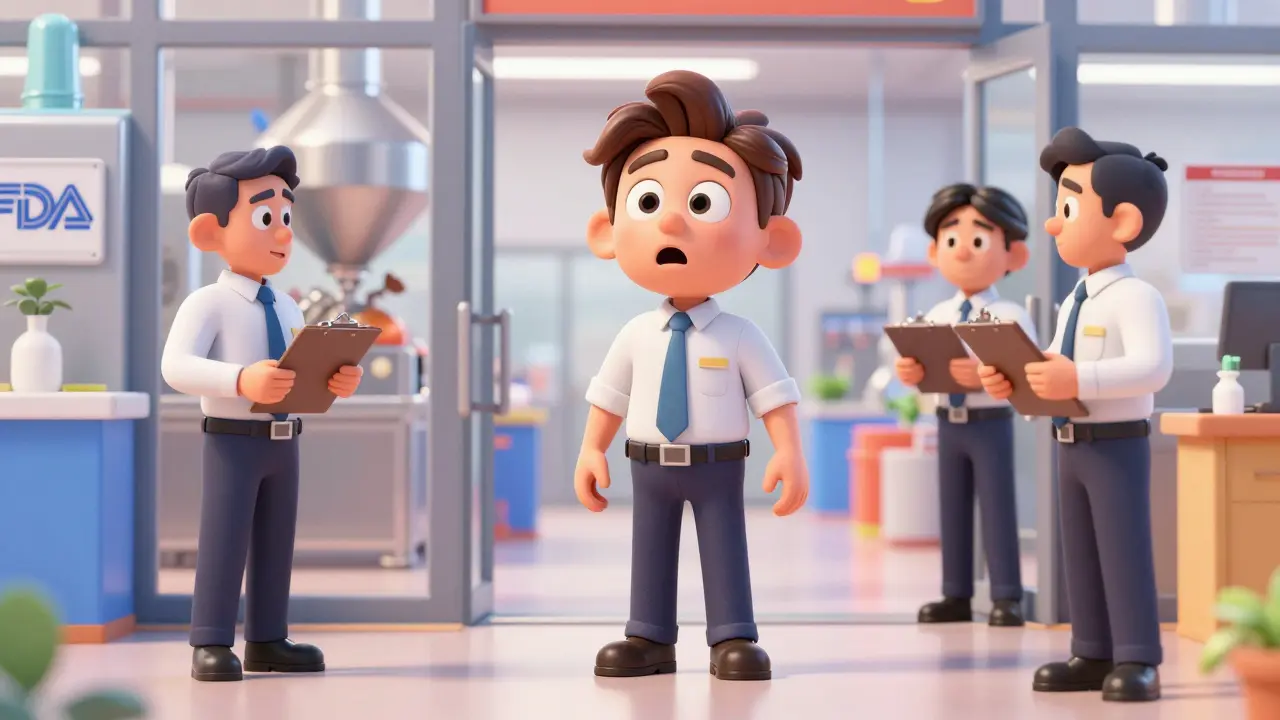
Imagine running a food production plant in Asia or Europe, comfortably planning your schedule months in advance, only to have U.S. federal agents walk through your front door without a single word of warning. For years, this was a rarity for overseas plants, but the rules of the game have changed. The FDA is aggressively closing the gap between how it treats American factories and those abroad, moving toward a system of surprise visits to ensure that what ends up on U.S. dinner tables is actually safe.
The Shift from Reaction to Prevention
For decades, regulatory oversight was often a game of "cat and mouse," where foreign plants received plenty of notice to tidy up their act before inspectors arrived. That changed with the Food Safety Modernization Act (or FSMA). Signed into law in 2011, FSMA is the most sweeping reform of U.S. food safety laws in over 70 years, shifting the focus from reacting to foodborne illness outbreaks to preventing them from happening in the first place.
The goal is simple: make sure that the roughly 15% of the U.S. food supply coming from foreign sources meets the exact same safety benchmarks as food made in the Midwest. If a facility in Thailand or Brazil is packing food for American consumers, the FDA believes it should be held to the same rigorous standards as a plant in Ohio. This means verifying that manufacturing, processing, and packing methods are up to code long before the cargo ship ever hits a U.S. port.
Ending the "Double Standard" of Unannounced Inspections
Until recently, there was a glaring disparity in how inspections were handled. U.S.-based companies generally expect a surprise visit, but foreign facilities routinely coordinated travel and translation services with the FDA weeks in advance. In May 2024, FDA Commissioner Martin A. Makary called this a "double standard." He argued that giving foreign plants a heads-up essentially allowed them to hide operational flaws that would be caught in a surprise audit.
Now, the FDA is expanding unannounced inspections for overseas plants. This isn't just about catching "bad actors"; it's about seeing how a plant actually operates on a random Tuesday, not how it operates during a curated "inspection week." To maintain the integrity of this process, investigators are now barred from accepting lodging or transportation from the companies they are auditing. No more complimentary limos or hotel stays-the agency wants total independence.
How the FDA Decides Who to Inspect
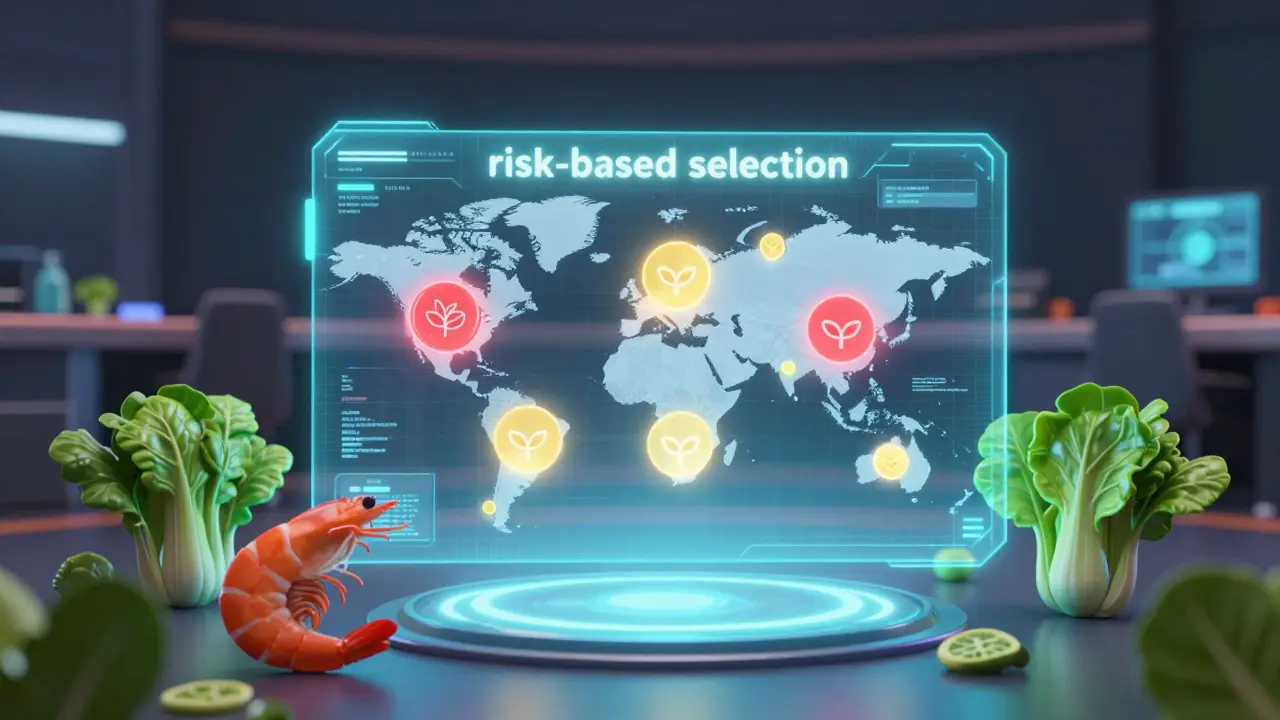
With roughly 300,000 registered foreign food facilities and a limited number of inspectors-roughly one inspector for every 1,500 plants-the FDA can't visit everyone. Instead, they use a risk-based selection model. If you're wondering why a specific plant gets targeted, it usually comes down to three factors:
- Commodity Risk: Some foods are naturally more dangerous. A plant processing raw seafood or leafy greens is higher risk than one packaging dried grains.
- Process Complexity: The more complex the manufacturing steps, the more opportunities there are for something to go wrong.
- Compliance History: This is the biggest red flag. If a company has a high "refusal rate" (meaning the FDA has denied their products entry into the U.S. multiple times), they move to the top of the list.
| Feature | U.S. Domestic Facilities | Foreign Facilities (New Policy) |
|---|---|---|
| Notice Period | Generally Unannounced | Moving toward Unannounced |
| Scheduling Authority | FDA Decides | FDA Decides (Negotiation removed) |
| Logistics/Lodging | Paid by Agency | Paid by Agency (Industry perks banned) |
| Primary Goal | Compliance Verification | Preventive Safety & Admissibility |
The High Cost of Obstruction
Some facilities might think they can simply "slow-walk" an inspector or redact sensitive documents to hide mistakes. That is a dangerous gamble. Under Section 306 of FSMA, the FDA has the power to refuse admission of food into the U.S. if a foreign factory denies or limits an inspection.
It goes beyond just blocking shipments. The U.S. Department of Justice (DOJ) can pursue criminal charges against foreign corporations that obstruct investigators. Examples of obstruction include:
- Unreasonably redacting records or withholding requested documents.
- Blocking the inspector's view of a specific part of the manufacturing line.
- Interrupting production just as an inspector is about to witness a violation.
- Preventing investigators from taking photographs of the facility.
Staying Ready: The New Operational Standard
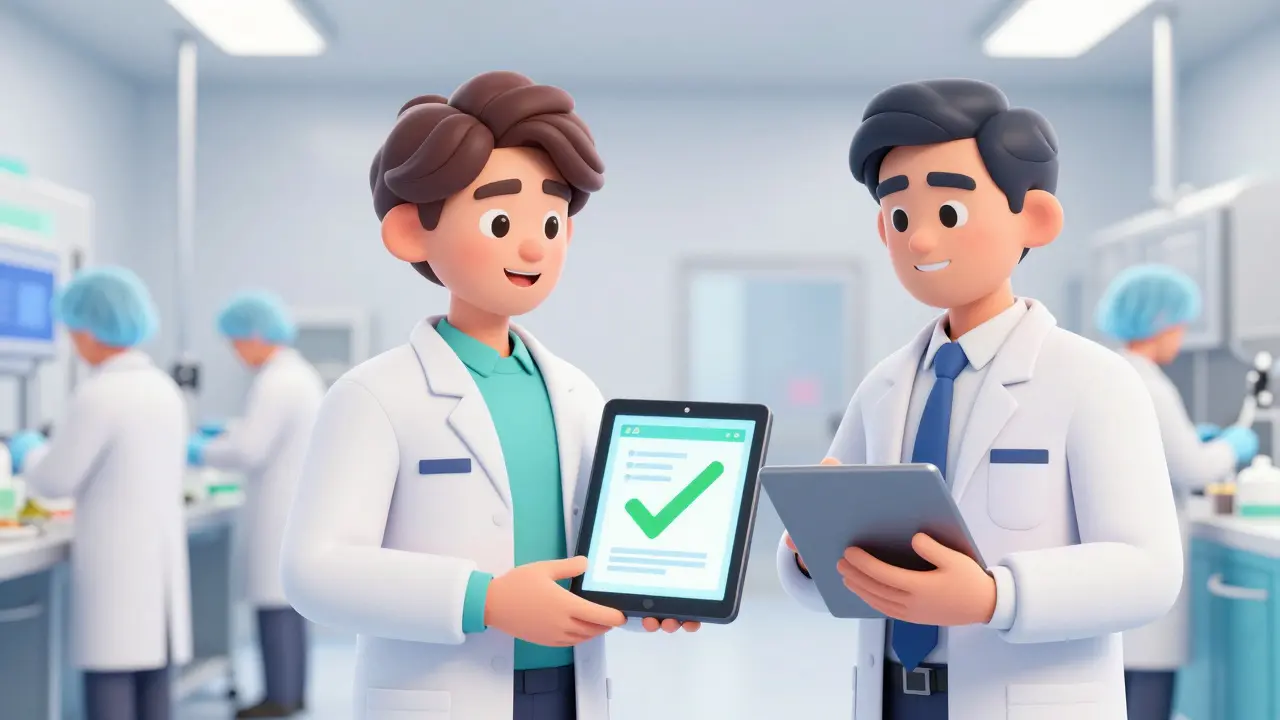
For a foreign manufacturer, "inspection readiness" is no longer a project that starts two weeks before a scheduled visit; it is now a permanent state of being. The learning curve is steep, especially for smaller, family-owned operations that lack the resources of global conglomerates. To survive a surprise visit, plants are adopting several key strategies:
First, they are digitizing their records. If an inspector asks for a temperature log from three months ago, the facility cannot afford to spend four hours searching through a dusty warehouse of binders. Digital systems with 24/7 accessibility are becoming the gold standard.
Second, the language barrier is a massive hurdle. In the past, plants hired a translator for the week. Now, many are hiring permanent, bilingual Quality Assurance (QA) staff who can translate technical processes in real-time without the delay of an external contractor.
Finally, many are running "mock inspections." They hire third-party auditors to show up unannounced and simulate an FDA visit, identifying gaps in documentation or cleanliness before the real agents arrive.
The Bigger Picture of Global Supply Chains
This tightening of oversight is happening because the U.S. is more dependent on imports than ever. With 32% of fresh produce now coming from abroad, the risk of a contaminated shipment causing a national outbreak is a significant security concern. While some argue that the FDA is overreaching, others see it as a necessary move to establish the U.S. as the global leader in regulatory oversight.
The trajectory is clear: the FDA will continue to refine its risk algorithms, likely incorporating more data on global health trends and previous shipping failures to predict where the next problem will arise. For the foreign plant owner, the message is simple: the only way to be ready for an unannounced inspection is to be compliant every single day.
Can the FDA actually penalize a company located outside the U.S.?
Yes. While the FDA cannot physically arrest someone in another country, they have powerful economic and legal levers. They can ban the company's products from entering the U.S. (Import Alert), and the U.S. Department of Justice can seek criminal convictions and fines against the corporation in U.S. courts.
What happens if a foreign facility refuses an FDA inspection?
Under Section 306 of FSMA, if a facility refuses to allow an inspection, the FDA can refuse admission of any food from that facility into the United States. This effectively shuts the company out of the American market.
How does the FDA choose which foreign plants to visit?
They use a risk-based model focusing on three things: the inherent risk of the food type (e.g., raw shellfish vs. canned corn), the complexity of the manufacturing process, and the plant's history of compliance, specifically how often their products have been rejected at the border.
Are all foreign inspections now unannounced?
The FDA is rapidly expanding the use of unannounced inspections to eliminate the "double standard" between domestic and foreign plants. While not every single visit is surprise-based yet, the agency is moving aggressively in that direction, especially for high-risk facilities.
What are the most common mistakes foreign plants make during inspections?
Common pitfalls include lacking immediate access to required records, having language barriers that lead to misunderstandings, and attempting to limit the inspector's movement or photography within the plant, which can be flagged as obstruction.

Finally someone is cleaning up the mess abroad because the world is basically a petri dish of filth and we are the only ones with real standards’ just imagine the horrors they hide when the FDA isnt looking it is absolutely pathetic that we even had a double standard for so long while some random factory in a jungle gets to play hide and seek with inspectors we need to stop importing everything and just bring it all back to the US where we can actually see what is going into our kids mouths this is the only way to ensure our national security isn't compromised by a bad batch of shrimp from across the ocean honestly the FDA should just ban half these countries until they prove they aren't living in the dark ages of hygiene
Risk based selection makes sense. No way they can hit 300k plants
Sure the FDA says it is for safety but it is just another way for the government to exert control over global trade and probably funnel money into private auditing firms they probably have a list of which plants to target based on political alliances not actual bacteria
This is a great step for everyone! 🍎 Better safety means we all win 😊
Oh wow a surprise visit! I'm sure those plants are just thrilled to have federal agents treat their facility like a crime scene on a random Tuesday. Truly the peak of diplomacy right here
listen up if you are running a plant stop waiting for a manual and just digitize your logs now because the feds dont care about your excuse of a dusty binder and they will shut you down without blinking if you slow walk them get a bilingual QA person on payroll yesterday or you are just asking for a ban from the US market it is simple as that stop complaining about the double standard and just be compliant every single day or get out of the game
Keep pushing for those digital systems guys! It is a hurdle now but it will make your lives so much easier in the long run. You got this!
From a regulatory standpoint, the transition to unannounced inspections is a critical necessity to ensure the integrity of the food supply chain. The risk-based model specifically allows the agency to allocate limited resources toward the most volatile commodities, thereby maximizing the public health impact of each inspection. It is advisable for facilities to implement a robust internal audit program to maintain a state of constant readiness.
It is indeed imperative that we find a harmonious balance between rigorous safety enforcement and the operational capacities of smaller enterprises. One must acknowledge that the move toward digitalization may be prohibitively expensive for family-owned businesses, and perhaps a transitional support period would be more equitable for all parties involved.
I really appreciate how the post mentions the struggle of smaller family-owned operations. It can be so overwhelming to face these giant regulatory changes when you're just trying to provide for your community. I'm sure with the right mentorship and a bit of patience, these smaller plants can adapt and actually improve their processes for everyone's benefit. We should all support them in making this transition smoothly!
I can see why people are nervous about this. It's a lot of pressure to be "perfect" 24/7, but at the end of the day, we just want to know the food we buy is safe for our families.