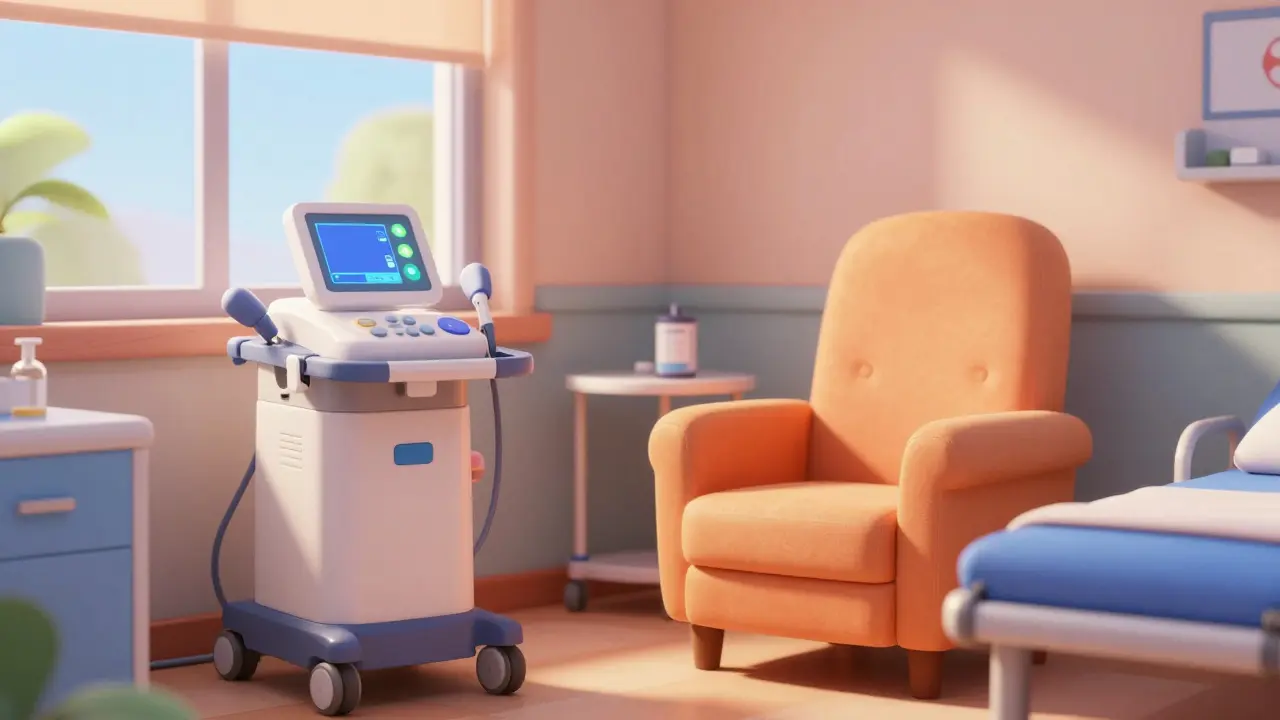
Life Beyond the Dialysis Clinic
Most people imagine dialysis as sitting in a clinic chair three days a week, surrounded by strangers and alarms. But that image is changing. Home Hemodialysis is a form of renal replacement therapy performed in the comfort of your own residence rather than a hospital facility. For many patients with End-Stage Renal Disease (ESRD), bringing the treatment home isn't just about convenience; it's a lifeline to survival. Data suggests that doing this at home, especially with longer sessions, can significantly lower mortality risks compared to traditional in-center care.
If you are considering this path, you might wonder if you have the capacity to become your own nurse. The answer lies in understanding exactly what the training involves and how it reshapes your daily routine. This guide breaks down the schedules, the learning curve, and the real-world health results you can expect when you take charge of your kidney treatment.
Quick Summary / Key Takeaways
- Training Duration: Expect to spend 3 to 12 weeks in training, depending on whether you learn self-needling techniques before moving to home.
- Schedule Flexibility: Choose between conventional (3x weekly), short daily (5-7x weekly), or nocturnal (while sleeping) options.
- Survival Advantage: Studies show up to a 20% lower mortality rate for home patients versus matched in-center patients.
- Care Partner Requirement: Safety protocols mandate a trained partner be present; solo dialysis is rarely permitted without special approval.
- Quality of Life: Patients report 37% higher quality-of-life scores due to reduced travel time and greater autonomy.
What Is Home Hemodialysis?
Before diving into the logistics, we need to define the core concept. Home Hemodialysis is a specialized medical procedure where blood is filtered outside the body using a machine located in the patient's home. Also known as Self-Hemodialysis, it has roots dating back to the 1960s, though modern technology like the NxStage System One has made it far more manageable today.
The primary goal remains the same as in-center care: removing waste products and excess fluid from the blood when kidneys fail. However, the environment changes everything. Instead of rigid clinic hours, you decide when to run the machine. Whether you wake up early to treat overnight or fit a session into your afternoon, the control shifts back to the patient. This shift often reduces stress levels associated with transportation and waiting rooms.
It is important to distinguish this from Peritoneal Dialysis (PD), another home option. While PD uses the lining of the abdomen to filter blood, Home Hemodialysis relies on vascular access, typically an arteriovenous fistula or graft. This requires more technical skill regarding needle insertion, which is why the training duration is generally longer than for PD patients.
The Training Journey: Timeline and Skills
Many candidates worry they won't learn fast enough. The timeline varies widely based on individual capability and program intensity. Generally, certified programs provide between 3 and 12 weeks of supervised instruction. Medicare currently reimburses facilities for up to 25 training sessions to ensure competency.
Here is what happens during those sessions:
- Setup and Safety: You learn how to prepare the dedicated treatment room, ensuring water quality meets AAMI standards. This includes testing tap water chemistry monthly and managing reverse osmosis logs.
- Vascular Access Care: Perhaps the most critical skill is needling. You will practice inserting cannulas into your fistula under supervision until you can do it confidently without causing complications.
- Machine Operation: Operating the Dialysis Machine involves programming prescriptions, monitoring pressures, and troubleshooting alarms. Most modern units, such as the WavelinQ or Fresenius 4008B, feature intuitive interfaces, but vigilance is still required.
- Crisis Management: You will simulate emergency scenarios like sudden drops in blood pressure or cramping to learn immediate response actions.
A study published in the Clinical Journal of the American Society of Nephrology highlights that patients who master self-cannulation (needing their own vessel) often shorten their overall training time. However, if you are uncomfortable with needles, having a caregiver perform this task can extend the process slightly but ensures safety.

Treatment Schedules: Finding Your Rhythm
One of the biggest advantages is customizing the schedule. You aren't locked into the standard Monday-Wednesday-Friday model. The table below outlines the three common modalities:
| Modality Type | Frequency | Duration Per Session | Clinical Benefit |
|---|---|---|---|
| Conventional | 3 times weekly | 3-4 hours | Flexible timing around work/family |
| Short Daily | 5-7 times weekly | 2-3 hours | Better blood pressure control; less fluid overload |
| Nocturnal | 3-7 times weekly | 6-10 hours | Superior toxin clearance; improved sleep quality |
Research indicates that short daily or nocturnal regimens offer superior clinical outcomes compared to the standard three-day split. Specifically, frequent treatments lead to smaller swings in phosphate levels, reducing the number of pills needed to manage dietary minerals. If you have trouble sleeping, nocturnal dialysis can actually serve a dual purpose, acting as both a medical treatment and a sleep aid while you rest.
Clinical Outcomes: Does It Work Better?
You deserve to know if the effort translates to health. The United States Renal Data System (USRDS) provides robust data showing that home hemodialysis patients experience a 15-20% lower mortality rate compared to those treated in centers. When analyzed against propensity-matched groups, the gap widens for patients on frequent schedules.
Beyond survival, quality of life metrics tell a compelling story. A systematic review found that home-based patients reported 37% higher scores on the Kidney Disease Quality of Life instrument. Why? Because you skip the commute. Saving 10 to 15 hours a week on travel alone allows for more energy, hobbies, and social interaction.
Furthermore, biochemical markers improve. Patients often require fewer phosphate binders because the slower, longer treatment filters toxins more efficiently. Blood pressure control is also markedly better with daily treatments, often reducing the volume of antihypertensive medication required.

The Role of the Care Partner
Safety dictates that you cannot operate the machine alone under standard regulations. A trained care partner is a mandatory requirement for almost all candidates. This partner undergoes identical training to you, learning to handle needles and emergencies.
This dependency creates a unique dynamic. About 30% of potential candidates struggle to find a willing partner. While it fosters a strong support system, statistics from patient forums show that 41% of couples report relationship strain over the long haul. It is essential to discuss expectations with your spouse or friend before committing. Some families rotate partners, while others designate a single primary assistant to maintain consistency.
If you live alone, exploring "solo" options is possible but rare. Certain newer technologies and FDA-approved systems have expanded capabilities, yet the regulatory burden usually demands a second set of hands for initial verification and safety backups.
Practical Setup and Logistics
Your home needs a specific corner dedicated to treatment. Typically, you need a space roughly 6 feet by 6 feet. This accommodates the machine, storage for supplies, and workspace for prep.
Utilities matter immensely. You will likely need a plumber to install a dedicated drain line and water supply. Electrical codes usually mandate a dedicated 120-volt, 20-amp circuit. Without proper electrical load planning, machines may trigger errors during operation.
Travel adds another layer. Standard machines aren't portable-you can't drive them to the beach. However, companies like NxStage manufacture systems designed for travel compatibility. If you travel frequently, confirm your equipment specifications before booking a vacation.
Overcoming Barriers to Success
Despite the benefits, only about 12% of U.S. patients utilize this method. The barrier isn't usually medical suitability; it's systemic. Many clinics lack the staff to teach these complex skills. Dr. Steven Weisbord, a prominent researcher, notes that psychological readiness outweighs technical skill for success. Anxiety about handling emergencies is common initially, but mastery builds confidence quickly.
Financial incentives also play a role. Medicare payment reforms introduced in 2011 boosted reimbursement for home modalities, yet some providers still lag in offering referrals. Always ask for a consult to see if you qualify.
How long does home hemodialysis training take?
Training typically ranges from 3 to 12 weeks. The exact duration depends on your ability to learn self-cannulation techniques and the specific curriculum of the facility. Medicare pays for up to 25 sessions.
Do I need a partner to perform home dialysis?
Yes, in almost all cases. Regulatory guidelines mandate that a trained care partner be present during every treatment session to ensure safety and assist with emergencies.
Can I travel while doing home hemodialysis?
Traditional machines are stationary, but portable systems like the NxStage System One allow for travel with advance planning for power and water connections.
Is home hemodialysis safer than center dialysis?
What kind of space do I need?
You need approximately a 6x6 foot area with a sink, drain, and dedicated electrical outlet. Plumbing modifications are often required for water lines.
Three weeks of training sounds like nothing when your kidneys are failing completely and you just want to breathe without gasping for air.
You see them pushing these home kits like candy but the big clinics hate losing money to your basement setup
The water testing requirements are just a trap to scare people away from doing it themselves
Fear is a natural response to control
Yet surrendering autonomy to institutions offers false security
Why bother learning all this stuff when you can just die in a clinic instead 🙄🛌💉
Vascular access maintenance requires strict adherence to aseptic technique protocols during self-cannulation procedures
We observed significant improvements in fistula patency rates when patients managed their own catheter insertion schedules directly
AAMI water quality standards must be monitored weekly to prevent pyrogenic contamination of the dialysate solution
The idea of putting a filtration unit in ones living room is quite profound really yet the logistics of plumbing upgrades are tedious enough to make anyone consider giving up before they even start trying something different
Most people do not understand how the electrical load affects the machine stability so you end up frying your own computer equipment while you try to filter your blood
It is really about the mindset and not just the hardware
Sure let us turn our homes into hospitals because nothing says fun like cleaning medical waste every day
Realistically no one does this because the paperwork alone would kill a normal person faster than kidney failure
People always talk about mortality stats but nobody mentions the mental toll that comes with self treatment
You sit in your own kitchen surrounded by needles and tubes while the rest of your life goes on outside the door
It changes how you view your body permanently over time because you become a technician rather than a patient
That shift is terrifying for most families who were not prepared for this change in dynamic
Yet it gives you power back over your daily schedule and your personal autonomy returns slowly
Power over your daily schedule means you wake up earlier or sleep longer depending on what feels right to you
The machine hums while you read a book or watch television in silence
Blood flows through plastic lines connected directly to your arm veins
Life continues despite the filters running in the background of your existence
That is the real tradeoff here when you choose home care over center care
Survival is not just about staying alive it is about maintaining some dignity
I have seen friends struggle with the needle placement and cry after every session for months
Others find a rhythm where they barely think about the process anymore once it becomes routine
Your relationship with food changes drastically when you cannot drink water freely anymore
Friends stop inviting you out because they do not know how to handle your schedule restrictions
Still you gain hours every week back from not traveling to the hospital facility
Wow another wall of text telling me how much misery you endured
Does complaining about your own medical issues make you feel special somehow
Sorry your life is difficult but we get it now
While your frustration is understandable; the perspective you offer; though somewhat cynical; does highlight valid concerns regarding caregiver burnout; which remains a significant barrier; for many eligible candidates
If you do not have a partner then you are not going anywhere with this program period
Forget about solo options because the liability risk is too high for providers to allow it anyway
Statistics show relationship strain increases by forty percent when spouses become medical caretakers
This creates a toxic feedback loop where resentment builds silently until the marriage collapses under the weight of medical bills
None of this matters if you dont have insurance coverage for the travel costs either way
You focus so hard on what you lack instead of the freedom you gain from this choice
Stop waiting for permission and start training yourself because your health depends on taking charge now