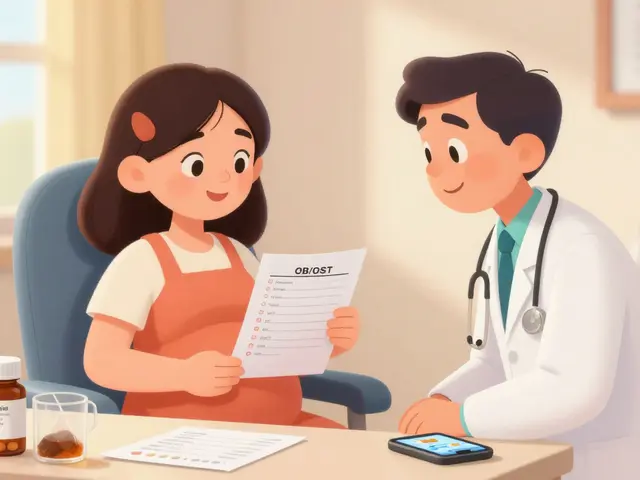
When you’re pregnant or breastfeeding, every pill, drop, or capsule matters more than ever. What was fine before might not be safe now-and what you think is harmless, like a herbal tea or a common painkiller, could affect your baby in ways you didn’t expect. Talking to your OB/GYN about your medications isn’t just a formality. It’s one of the most important conversations you’ll have in your reproductive health journey.
Why Medication Discussions Are Different with an OB/GYN
Your general doctor might review your meds once a year. Your OB/GYN reviews them every visit-and sometimes more often. That’s because pregnancy changes how your body handles every drug. Liver and kidney function shift. Hormones spike. Blood volume increases by nearly 50%. What works for you before pregnancy might not work the same way now.And it’s not just about prescription drugs. Over 90% of pregnant women take at least one medication during pregnancy, according to the CDC. That includes things like prenatal vitamins, iron supplements, acid reflux pills, and even CBD oil. Many women don’t even think of these as "medications." But your OB/GYN does. And they need to know.
Some medications are outright dangerous during pregnancy. Others are fine-but only at certain doses or times. For example, ibuprofen is generally safe in early pregnancy but can cause serious issues after 20 weeks. St. John’s Wort, a popular herbal mood booster, can cut the effectiveness of birth control pills by half. And if you’re on thyroid medication like Synthroid, your dose may need to increase by 25-30% once you’re pregnant.
What to Bring to Your Appointment
Don’t rely on memory. Bring a written list. Not a note on your phone. Not a mental tally. A real list. Include:- Prescription meds: Exact name, dosage, frequency, and reason. Example: "Levothyroxine 75 mcg, one tablet daily, for hypothyroidism."
- Over-the-counter drugs: Even if you only take them "once in a while." Include pain relievers, antacids, sleep aids, cold meds. Example: "Ibuprofen 400 mg, 1 tablet every 6 hours as needed for headaches."
- Supplements: Brand names matter. "Prenatal vitamin" isn’t enough. Say: "Nature Made Prenatal Multi + DHA, one tablet daily."
- Herbal products and teas: Chamomile, ginger, red raspberry leaf, evening primrose oil-all of these have documented effects on pregnancy. Even if you think they’re "natural," they’re still active substances.
- Recreational substances: Alcohol, nicotine, cannabis, and vaping products. This isn’t about judgment. It’s about safety. If you use marijuana for anxiety or nausea, your OB/GYN needs to know so they can help you find safer alternatives.
Pro tip: Take a photo of each medication bottle before your appointment. If you forget a name or dose, you can show the photo. Many patients say this single step cuts their anxiety in half.
Questions to Ask Your OB/GYN
Come prepared with questions. Don’t wait until you’re nervous or rushed. Here are the most important ones to ask:- "Is this medication safe during pregnancy?" Not just "yes" or "no." Ask: "What’s the risk level? Is it Category B or C?" (Category A is safest, X is highest risk.)
- "Is there a safer alternative?" If you’re on a medication that’s not ideal, ask what else works. For example, acetaminophen instead of ibuprofen for pain, or Zofran instead of metoclopramide for nausea.
- "Do I need to stop this before trying to conceive?" Some meds, like Accutane or certain antidepressants, need to be cleared from your system months before pregnancy.
- "Will this affect breastfeeding?" Some drugs pass into breast milk. Others don’t. Even if you’re not planning to breastfeed yet, it’s worth asking now.
- "What should I do if I accidentally take something unsafe?" Don’t wait to panic. Get the plan ahead of time.
One patient on Reddit shared: "I brought a spreadsheet with every supplement I took-including the brand names and doses. My OB printed it and kept it in my file. That made me feel seen, not just another number."

Common Mistakes (And How to Avoid Them)
Most mistakes aren’t about lying. They’re about forgetting-or assuming.- Mistake: "I didn’t think evening primrose oil counted." Reality: It can stimulate contractions and may trigger early labor.
- Mistake: "I only take Advil when I have a headache." Reality: Taking it regularly, even occasionally, after 20 weeks can reduce amniotic fluid and affect fetal heart development.
- Mistake: "My doctor said it was fine." Reality: Your primary care doctor may not know how pregnancy changes drug metabolism. Always confirm with your OB/GYN.
- Mistake: "I stopped my antidepressant because I was scared." Reality: Untreated depression during pregnancy carries its own risks. Work with your provider to find a safe option like sertraline or citalopram.
According to a 2023 survey by Colorado Women’s Health, patients who brought a complete list had 40% more productive discussions and saved 15-20 minutes per appointment. That’s time you can use to ask the real questions-like whether your anxiety meds are safe for your baby.
What Happens After the Conversation
Your OB/GYN won’t just tell you what to stop. They’ll help you transition. If you’re on a medication that’s risky, they’ll:- Switch you to a pregnancy-safe alternative
- Adjust your dosage based on trimester
- Recommend monitoring (like monthly blood tests for thyroid or blood pressure meds)
- Refer you to a maternal-fetal medicine specialist if needed
For example, if you have high blood pressure, you might switch from lisinopril (not safe in pregnancy) to labetalol or nifedipine (both considered safe). If you’re on an SSRI, they might stick with sertraline, which has the most safety data in pregnancy.
And if you’re breastfeeding? The rules change again. Some meds that are risky in pregnancy are fine while nursing. Others aren’t. Your OB/GYN will help you weigh the benefits of treatment against the risks to your baby.
Why This Matters More Than Ever
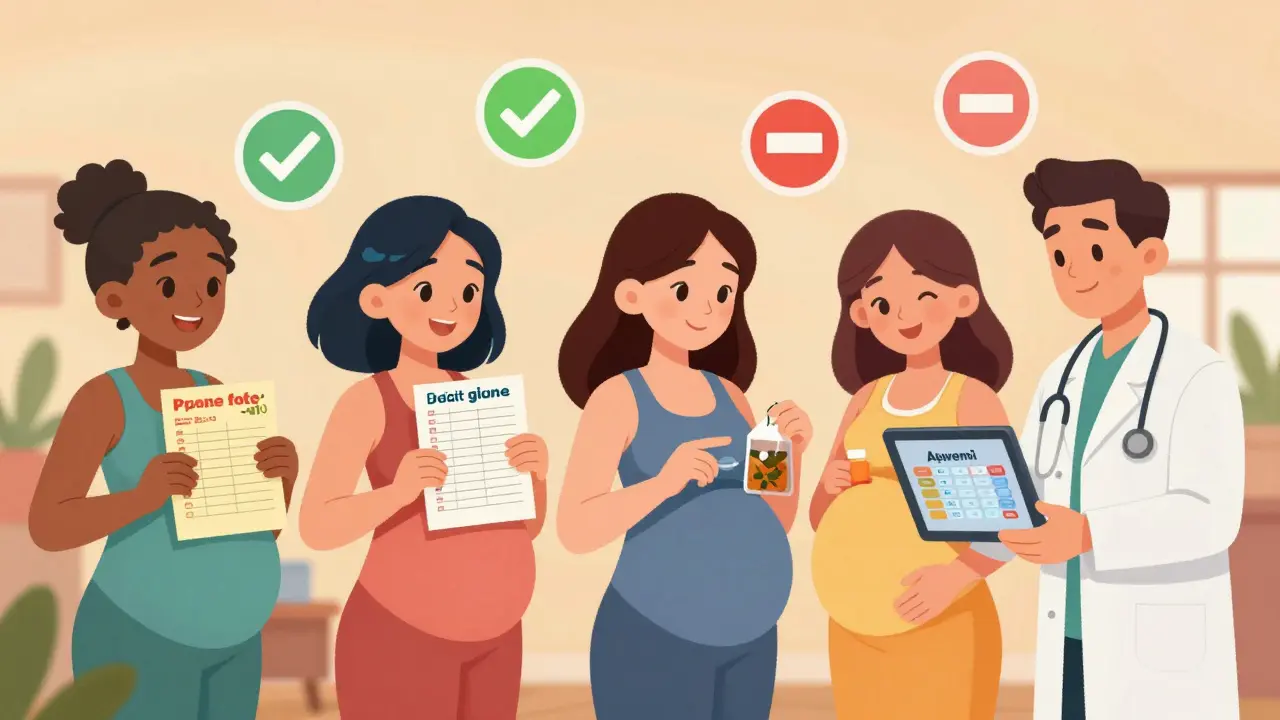
More women are entering pregnancy with chronic conditions than ever before. In 2010, 44% of pregnant women had a pre-existing health issue. By 2025, that number is projected to hit 58%. That means more diabetes, more hypertension, more autoimmune diseases, more mental health conditions-all managed with medication.At the same time, only 54% of patients consistently bring complete medication lists to their OB/GYN appointments. That gap creates real danger. The Journal of Managed Care & Specialty Pharmacy estimates that preventable medication errors in women’s health cost $2.3 billion annually in the U.S. alone.
It’s not about being perfect. It’s about being prepared. You don’t need to memorize every drug interaction. You just need to show up with your list, your questions, and your honesty.
What’s New in 2025
This year, the American College of Obstetricians and Gynecologists updated its guidelines to include specific guidance on CBD and medical marijuana use during pregnancy. While research is still limited, OB/GYNs are now trained to screen for these substances and offer non-judgmental support.Also, new tools are rolling out. Apps like Babyscripts now let OB/GYNs monitor blood pressure and medication adherence in real time for high-risk patients. And by mid-2025, the FDA plans to launch standardized pregnancy risk scores for medications-making it easier for providers and patients to understand safety levels at a glance.
For now, the best tool you have is your own preparation. Write it down. Take a photo. Ask the hard questions. Your baby’s health depends on it-and so does your peace of mind.
Can I keep taking my antidepressants during pregnancy?
Yes, many antidepressants are safe during pregnancy, especially sertraline and citalopram. These have the most research backing their use. Stopping medication suddenly can increase the risk of depression relapse, which also affects pregnancy outcomes. Never stop cold turkey. Work with your OB/GYN and a psychiatrist to adjust your treatment plan safely.
Is it safe to take ibuprofen while pregnant?
Ibuprofen is generally safe in the first and second trimesters but should be avoided after 20 weeks. After that point, it can reduce amniotic fluid levels and affect the baby’s heart development. Acetaminophen (Tylenol) is the preferred pain reliever during pregnancy. Always check with your OB/GYN before taking any NSAID, even occasionally.
What supplements are essential during pregnancy?
Folic acid (at least 400 mcg daily, ideally starting 1 month before conception) is critical to prevent neural tube defects. Iron supports increased blood volume, and calcium helps with bone development. Most prenatal vitamins include these. Avoid high-dose vitamin A (retinol), as too much can cause birth defects. Always check label ingredients-some supplements contain herbs or additives that aren’t safe.
Can I use CBD oil for morning sickness or anxiety?
There’s not enough reliable data to say CBD is safe during pregnancy. The FDA advises against using CBD, THC, or marijuana in any form while pregnant or breastfeeding. Even products labeled "THC-free" may contain trace amounts. If you’re struggling with nausea or anxiety, talk to your OB/GYN about FDA-approved alternatives like ginger supplements, vitamin B6, or safe prescription options like Diclegis.
What if I forgot to mention a supplement until after my appointment?
Call your OB/GYN’s office as soon as possible. Most practices have nurses or medical assistants who can review your list and let you know if there’s a concern. Don’t wait until your next appointment. Many supplements, like evening primrose oil or high-dose vitamin E, can have delayed effects. It’s better to speak up early-even if you feel embarrassed.
Will my OB/GYN judge me if I use recreational drugs?
Your OB/GYN’s job is to keep you and your baby safe-not to judge you. If you use alcohol, nicotine, cannabis, or other substances, being honest gives them the chance to help. Screening for substance use is now standard in prenatal care. Many clinics offer confidential support programs, counseling, and safer alternatives. Silence puts you both at risk. Honesty opens the door to care.
Next Steps
Start today. Open your medicine cabinet. Take a photo of every bottle. Write down what you take, how much, and why. Bring that list to your next appointment-even if it’s just a routine checkup. You don’t need to be perfect. You just need to be prepared.If you’re planning pregnancy, start this process at least 3 months before trying. If you’re already pregnant, don’t wait. Bring your list to your next visit. The sooner you talk, the safer your pregnancy will be.