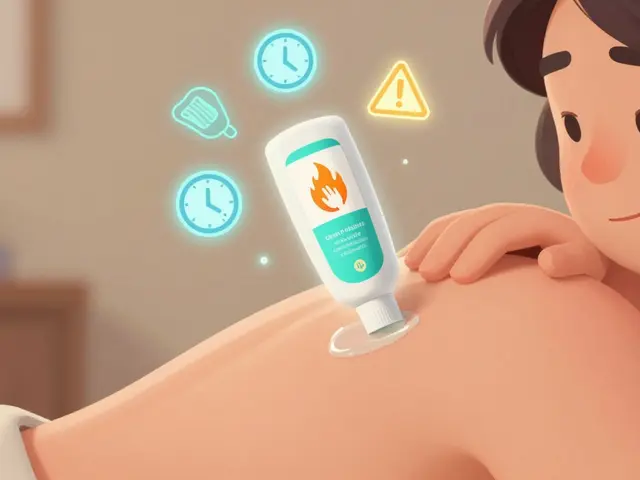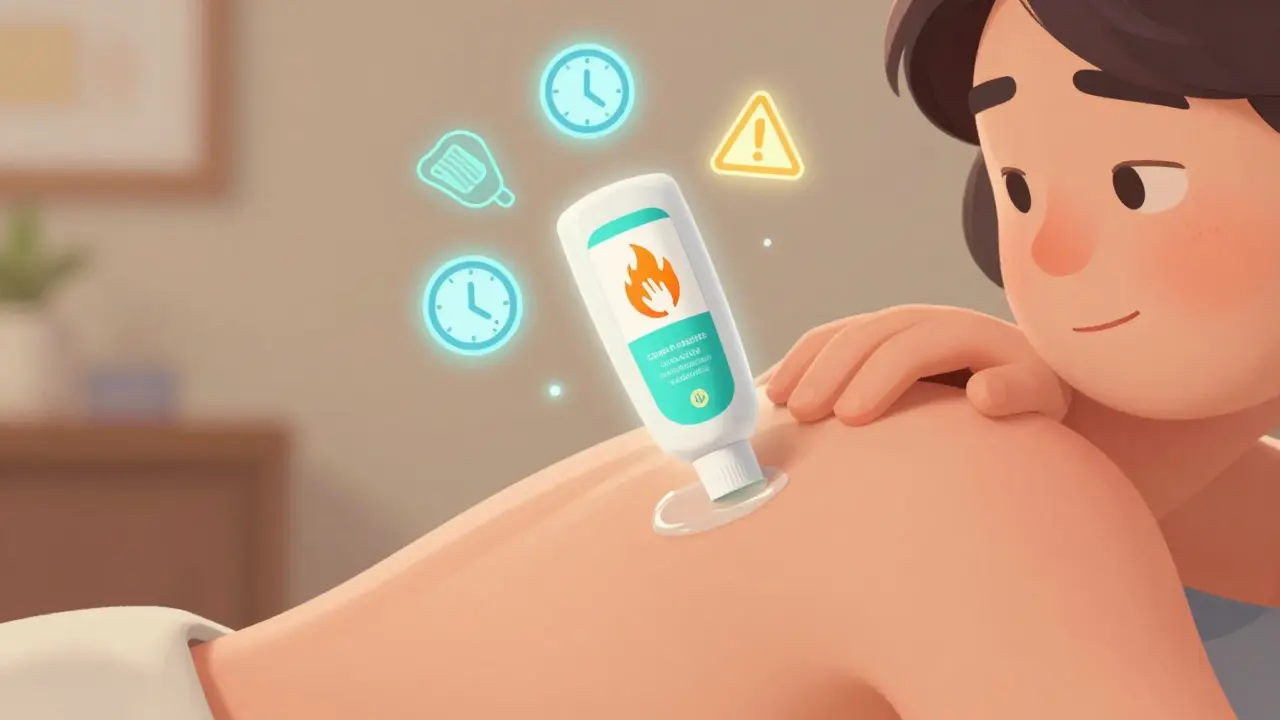
Every year, millions of people reach for a cream, gel, or patch to ease a sore back, achy knees, or stiff shoulders. These over-the-counter topical pain relievers are easy to find, don’t need a prescription, and feel like a quick fix. But just because they’re sold on pharmacy shelves doesn’t mean they’re risk-free. In fact, some of the most common products can cause serious harm if used the wrong way.
What’s Actually in These Products?
Not all topical pain relievers are the same. The active ingredients determine how they work - and what risks they carry.
Menthol is everywhere. It’s in Aspercreme Heat Pain Relieving Gel at 10% concentration. It gives that cooling, tingling feeling that makes you think the pain is disappearing. But Health Canada’s 2017 safety review found a clear link between menthol-containing products and rare but serious skin burns. These aren’t minor rashes. They’re deep tissue injuries that can take weeks to heal. The burns happen when the product is applied to sensitive skin, used with heating pads, or left on too long. The agency now requires warning labels on every product with menthol.
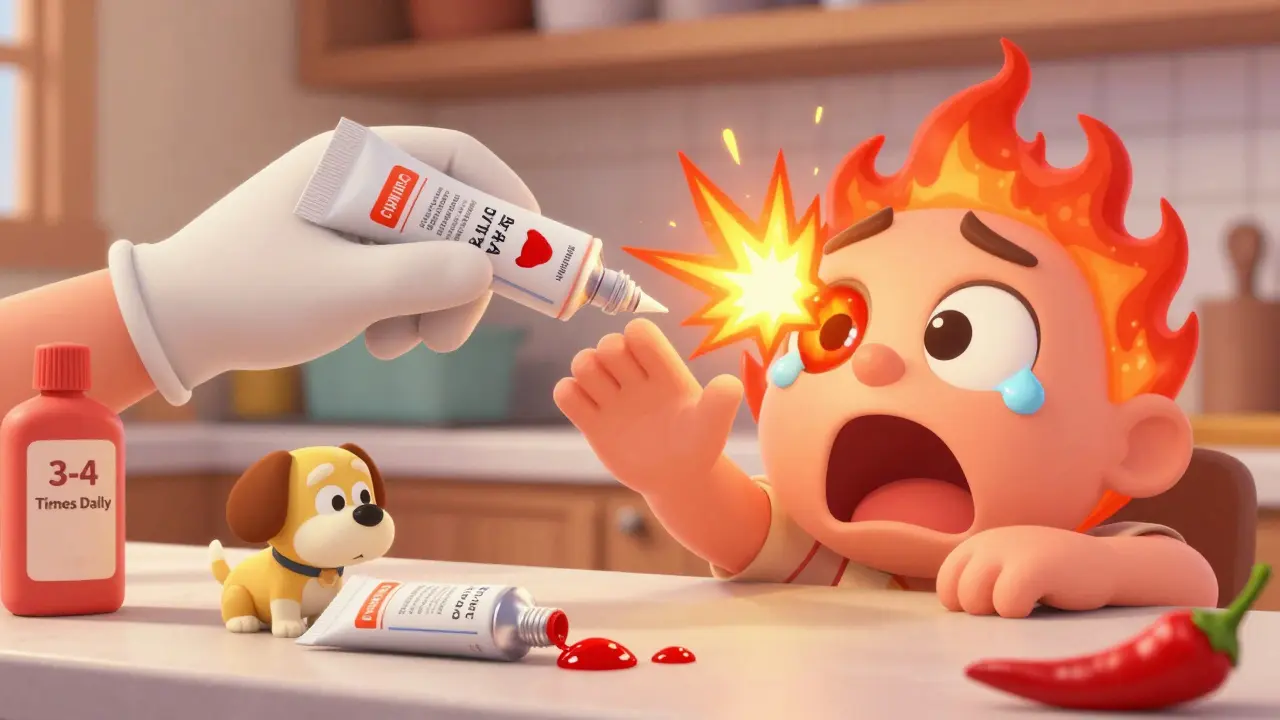
Capsaicin comes from chili peppers. OTC versions range from 0.025% to 0.1%. It works differently - instead of numbing, it depletes a chemical in nerve endings that sends pain signals. The catch? It takes days to build up effectiveness. You need to apply it 3 to 4 times a day, every day. And yes, it stings - badly - the first few times. That’s normal. But if you touch your eyes afterward, you’re in for a painful surprise. Always wear gloves or use a roll-on applicator.
Methyl salicylate is the oily, wintergreen-smelling ingredient in Bengay and similar products. It’s chemically related to aspirin. While Health Canada found no documented cases of serious burns from methyl salicylate alone, it can still cause problems if you’re allergic to aspirin or take blood thinners like warfarin. It’s absorbed through the skin, and even small amounts can build up.
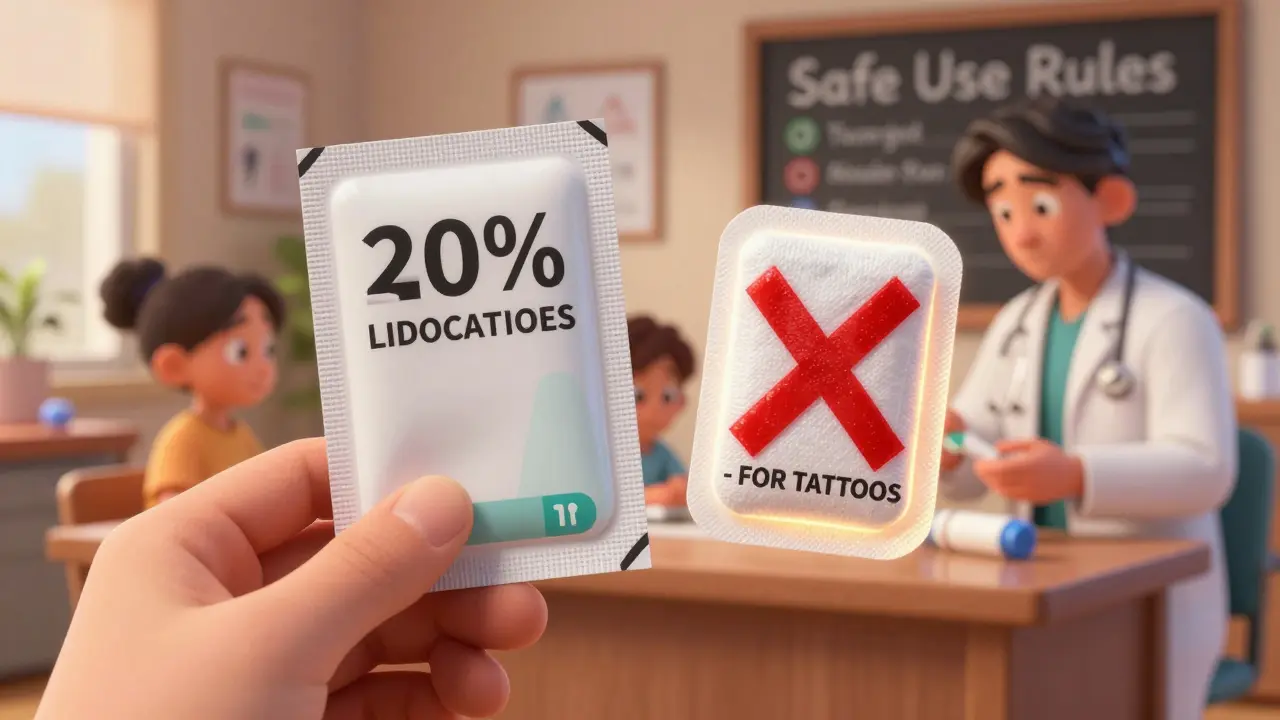
Lidocaine is a local anesthetic. In prescription patches, it’s used for nerve pain. But over the counter, it’s only legal at 4% concentration. In 2023, the FDA warned about illegal products sold online that contained up to 20% lidocaine. These were marketed for use before or after cosmetic procedures - laser hair removal, tattoos, microdermabrasion. The FDA found cases of irregular heartbeat, seizures, and breathing trouble from over-absorption. Six companies - including Bella’s Beauty Supply and DermaWand - were named and ordered to stop selling them.
When Topical Pain Relievers Are Safe - and When They’re Not
For many people, topical pain relievers are a smart choice. Harvard Health Publishing points out that because they’re applied to the skin, only small amounts enter the bloodstream. That means less strain on your stomach, kidneys, and heart compared to swallowing pills like ibuprofen or naproxen.
They’re especially useful for:
- Joint pain from osteoarthritis
- Muscle strains from gardening or lifting
- Minor sprains or bruises
But they’re not safe for everyone. Here’s when to avoid them:
- Broken or irritated skin - Never apply creams or gels to cuts, rashes, sunburns, or open wounds. That’s when absorption spikes, and the risk of side effects goes up.
- With heat - Don’t use heating pads, hot water bottles, or electric blankets over the area. Heat opens pores and increases how much of the drug gets into your body. This is how menthol burns happen.
- On your face or near eyes, nose, or mouth - Even a tiny amount of capsaicin or menthol in your eye can cause severe pain and temporary vision issues.
- If you’re on blood thinners - Methyl salicylate and diclofenac (a topical NSAID) can interact. Talk to your pharmacist before using them.
- If you’ve had an allergic reaction - If you’ve ever broken out in hives or had trouble breathing after using any topical pain product, stop and see a doctor.
The Hidden Risk: You’re Not Alone in Misusing Them
Most people assume OTC means harmless. That’s the biggest mistake.
Mayo Clinic’s Dr. Laurie Danielson says, “Most people assume over-the-counter (OTC) medications are safe and then overlook discussing their use with their care team.” That’s exactly why the FDA had to issue another warning in 2023 - even though they’ve been warning people for over a decade.
People buy high-concentration lidocaine patches online because they think “more is better.” They use menthol gel every day for a year, thinking it’s helping. They apply capsaicin without gloves and then rub their eyes. These aren’t rare mistakes. They’re common.
And tolerance? It happens. The Cleveland Clinic notes that over time, some people find the product works less well. So they use more - or more often - which increases risk without increasing benefit.
How to Use Them Without Putting Yourself at Risk
Here’s how to use topical pain relievers safely:
- Read the label - every time. Ingredients and directions change. Check the active ingredient and maximum daily use.
- Use the smallest amount needed. A thin layer is enough. Rubbing it in hard doesn’t make it work faster.
- Wait 30 minutes before touching anything. Especially if you’re using capsaicin. Wash your hands thoroughly with soap and water.
- Don’t combine with heat. No heating pads, saunas, or hot baths right after application.
- Stop if you see redness, swelling, or burning. Don’t push through it. That’s your body telling you it’s too much.
- Don’t use for more than 7 days without checking in with a doctor. If pain lasts longer, it’s not a simple strain. You need a diagnosis.
- Keep out of reach of kids and pets. A lick of capsaicin cream can make a dog sick. A child rubbing their eyes after touching a patch can end up in the ER.
Topical vs. Oral: The Real Safety Difference
Oral NSAIDs like ibuprofen carry known risks: stomach bleeding (1-2% of regular users), kidney damage, high blood pressure, and heart problems. Topical versions don’t eliminate these risks - but they reduce them dramatically.
Harvard Health confirms that topical pain relievers are a safer option for people who can’t take pills because of stomach ulcers, kidney disease, or heart conditions. But that doesn’t mean they’re zero-risk. You still need to use them correctly.
For example, topical diclofenac (Voltaren Gel) is FDA-approved for osteoarthritis in the knees and hands. It’s safer than swallowing pills - but still requires daily use for up to a week before you feel results. And it’s not for use on hips or back - only small joints.
What to Do If You’ve Been Using Them Wrong
If you’ve been using a menthol gel with a heating pad, or applying lidocaine patches daily for months - don’t panic. But do stop.
Check your skin for signs of damage: white patches, blisters, numbness that doesn’t go away, or persistent redness. If you see any, see a doctor. Bring the product packaging with you.
If you’ve been using capsaicin and your hands are burning - wash them immediately with soap and cool water. Don’t use alcohol or oil. That makes it worse.
And talk to your pharmacist. They know what’s in your medicine cabinet. They can tell you if your product is safe, if it’s expired, or if it’s one of the illegal high-concentration ones the FDA warned about.
Final Thought: They’re Tools, Not Magic
Topical pain relievers can be helpful. They’re not a cure, but they can give you enough relief to move, stretch, and heal. Used right, they’re a smart part of pain management. Used wrong, they’re a quiet danger.
The best thing you can do? Treat them like medicine - not candy. Read the label. Know what’s in them. Don’t assume they’re safe just because they’re on the shelf. And if you’re unsure? Ask someone who knows - a pharmacist, your doctor, or a nurse. A quick conversation could save you from a serious injury.
Can I use OTC topical pain relievers if I have sensitive skin?
If you have sensitive skin, test the product on a small patch first - like the inside of your wrist. Wait 24 hours. If you get redness, itching, or burning, don’t use it. Avoid menthol and capsaicin if your skin reacts easily. Look for fragrance-free, hypoallergenic options. Diclofenac gel is often better tolerated than strong irritants, but still test first.
Are lidocaine patches safe to buy online?
Only if they’re sold by a licensed pharmacy and clearly state 4% lidocaine or less. Many websites sell illegal versions with 10-20% lidocaine, marketed for tattoos or laser treatments. These are dangerous and can cause heart problems or seizures. The FDA has shut down six companies for this. Stick to well-known brands sold in pharmacies - not random Amazon sellers or beauty supply sites.
How long does it take for capsaicin cream to work?
It can take 3 to 7 days of regular use - 3 to 4 times a day - before you notice pain relief. Don’t give up after one or two applications. The burning sensation is normal at first and fades with continued use. If you don’t feel any improvement after two weeks, it’s not working for you. Try something else.
Can I use these products while pregnant?
Talk to your doctor first. While topical pain relievers are generally lower risk than pills, there’s limited data on their safety during pregnancy. Menthol and methyl salicylate are not recommended in the third trimester. Capsaicin is considered low risk but should still be used cautiously. Always check with your OB-GYN before using any OTC product during pregnancy.
What’s the difference between a cream, gel, and patch?
Creams are thicker and good for dry skin. Gels are water-based, dry quickly, and don’t leave a greasy residue - great for hairy areas. Patches deliver medication slowly over hours and are good for consistent, long-lasting relief. But patches can trap heat and moisture, increasing absorption - so don’t wear them longer than directed. Choose based on your skin type and where you need relief.
Can topical pain relievers cause addiction?
No. Unlike opioids, topical pain relievers like menthol, capsaicin, or lidocaine don’t affect the brain’s reward system. You won’t get physically dependent on them. But you can develop a habit of relying on them too much, especially if your pain has an underlying cause that needs treatment. They’re meant for short-term relief, not long-term management without medical guidance.
Is it safe to use these with other medications?
It depends. If you take blood thinners, avoid salicylate-based products like methyl salicylate or diclofenac. If you have kidney disease, check with your doctor before using NSAID-based topicals. Even though absorption is low, it’s not zero. Always tell your pharmacist about all the medications you take - including vitamins and supplements - before buying a topical pain reliever.
What should I do if I accidentally get the product in my eye?
Rinse your eye immediately with cool running water for at least 15 minutes. Don’t rub it. If the burning doesn’t stop, or if your vision is blurry, go to the emergency room. Even small amounts of capsaicin or menthol can cause severe irritation. Keep these products away from your face when applying them.