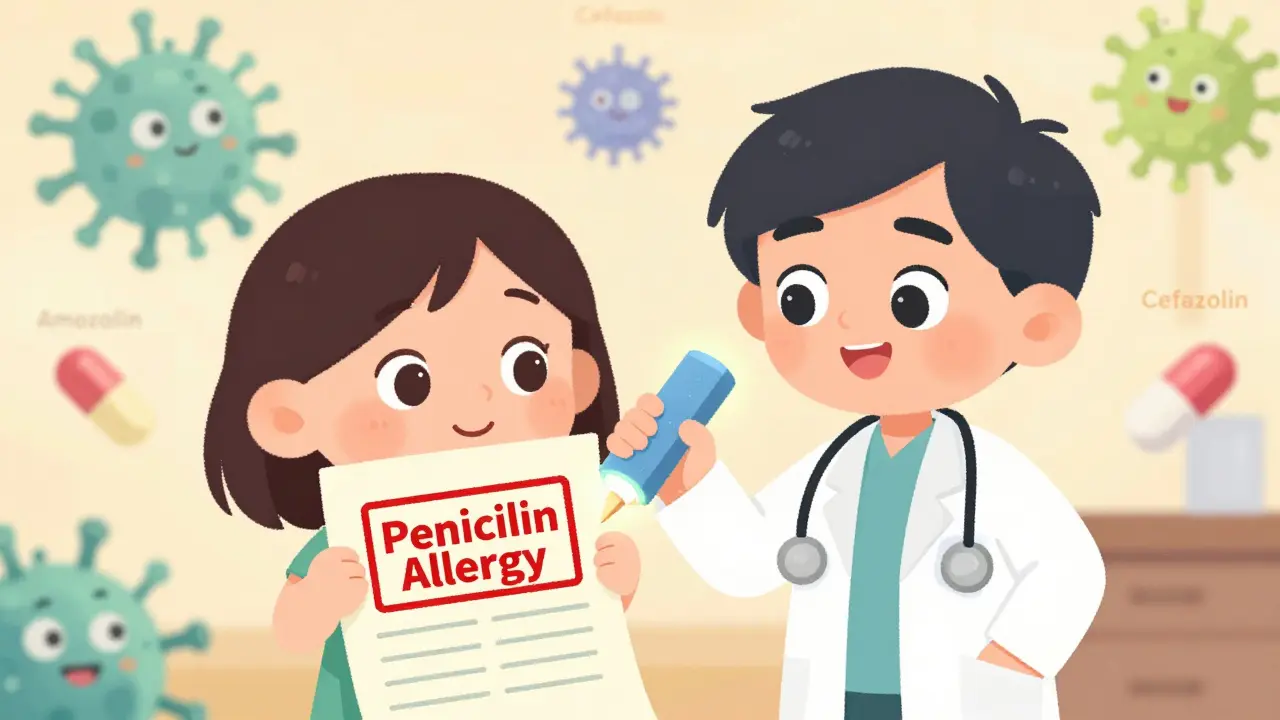
More than 10% of people in the U.S. say they’re allergic to penicillin. But here’s the surprising part: 9 out of 10 of them aren’t. That’s not a typo. Most people who think they have a penicillin allergy don’t actually have one. And this misunderstanding is putting their health-and the health of everyone else-at risk.
Why So Many People Think They’re Allergic (When They’re Not)
People often label themselves as allergic to penicillin after getting a rash as a kid, feeling sick after taking it, or hearing a family member had a bad reaction. But many of those reactions weren’t allergies at all. Nausea, diarrhea, or a mild skin rash could’ve been a side effect, a virus, or even something else entirely. Back then, doctors didn’t test for real allergies-they just told patients to avoid the drug. That label stuck. Fast forward to today, and that old note in your medical record still says “penicillin allergy.” But here’s what happens when you’re wrongly labeled: doctors avoid using the safest, most effective antibiotics. Instead, they reach for broader-spectrum drugs like vancomycin or clindamycin. These alternatives are more expensive, harder on your gut, and more likely to cause dangerous infections like C. difficile. In fact, people with a penicillin allergy label are 50% more likely to get MRSA and 35% more likely to get C. difficile than those without the label.What a Real Penicillin Allergy Looks Like
True penicillin allergies are rare-but they’re serious. They happen when your immune system mistakes penicillin for a threat and overreacts. There are two main types: immediate and delayed. Immediate reactions happen within an hour. These are the scary ones. Symptoms include hives, swelling of the lips or throat, trouble breathing, a drop in blood pressure, or even passing out. This is anaphylaxis. It’s life-threatening and needs epinephrine right away. Delayed reactions show up hours or days later. The most common is a flat, red rash that spreads over the body. It’s usually not dangerous, but sometimes it can turn into something worse-like Stevens-Johnson Syndrome or DRESS, which affect the skin and organs. These are rare, but they need hospital care. If you’ve ever had swelling, trouble breathing, or a reaction within an hour of taking penicillin, that’s a red flag. If it was just a rash that faded in a few days, it’s likely not a true allergy.Testing Can Clear Your Name-And Save Your Life
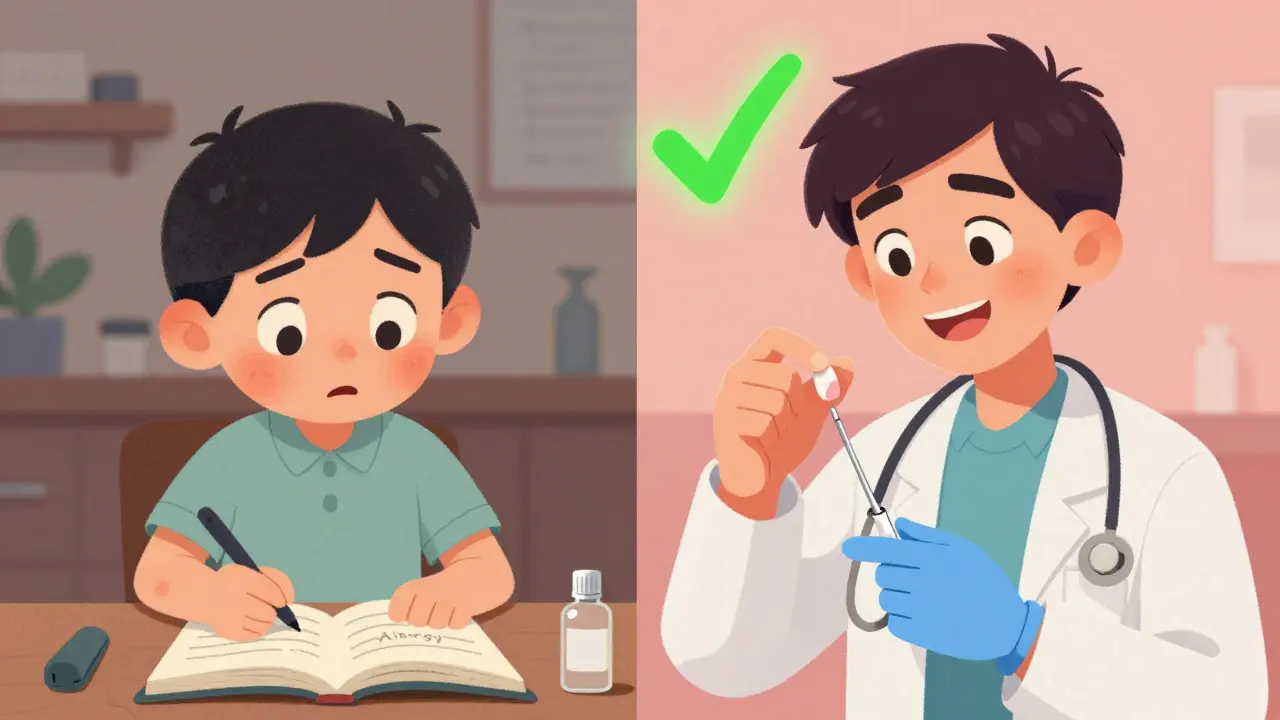
The good news? You can find out for sure if you’re allergic. There’s a simple, safe test called penicillin skin testing. A doctor or allergist puts tiny amounts of penicillin and related compounds under your skin. If you’re truly allergic, you’ll get a red, raised bump-like a mosquito bite. If the skin test is negative, you’ll usually get an oral challenge: you’ll take a small dose of amoxicillin (a penicillin-type drug) and be watched for an hour. If nothing happens, you’re not allergic. And here’s the key point: if both tests are negative, your risk of anaphylaxis drops to near zero. That’s the same risk as someone who’s never said they were allergic. Studies show that 90-95% of people who think they’re allergic pass these tests. That means they can safely use penicillin again-and doctors can stop reaching for riskier drugs.Who Should Get Tested? (And Who Shouldn’t)
Not everyone needs testing. But if you fall into any of these categories, you should consider it:- You were told you had a penicillin allergy as a child, but you haven’t taken it since.
- You had a rash years ago, but no swelling or breathing problems.
- You’re scheduled for surgery and need antibiotics to prevent infection.
- You’ve had an infection that didn’t respond to standard antibiotics.
- You’re taking multiple antibiotics because your doctor won’t prescribe penicillin.
What Happens After Testing?
If you test negative, your medical record gets updated. The label “penicillin allergy” is removed. You’ll get a letter or card confirming your results. Keep it with your wallet or phone. You might even want to wear a medical alert bracelet if you’re in a high-risk situation, like surgery or frequent hospital visits. Doctors will now feel comfortable prescribing penicillin or related antibiotics like amoxicillin, cefazolin, or even some cephalosporins. These are often the best choices for infections like strep throat, pneumonia, ear infections, and surgical prevention. And here’s the big win: removing the wrong label doesn’t just help you. It helps everyone. Fewer broad-spectrum antibiotics mean less antibiotic resistance. That means drugs will work longer for future patients.What If You’re Still Not Sure?
If you’ve never been tested but are worried about taking penicillin again, talk to your doctor. Ask: “Could I have a penicillin allergy test?” Most primary care doctors don’t do skin testing themselves, but they can refer you to an allergist. Many hospitals now have allergy clinics specifically for this. If you’re in the hospital and need antibiotics right away, and you can’t wait for testing, doctors can still use safe alternatives. But knowing your true allergy status helps them make smarter choices.Why This Matters More Than You Think
This isn’t just about one drug. It’s about how we use antibiotics across the entire healthcare system. Mislabeling penicillin allergies leads to longer hospital stays, higher costs, and more drug-resistant infections. The CDC estimates that fixing this one issue could save the U.S. healthcare system $1.2 billion a year. In orthopedic surgery, for example, using the right antibiotic reduces surgical infections by half. But if you’re wrongly labeled allergic, your surgeon has to use a less effective drug-and your chance of infection goes up. Studies show that for every 112-124 people who get tested and de-labeled, one surgical infection is prevented. That’s not just a statistic. That’s someone avoiding months of rehab, extra surgeries, or even amputation.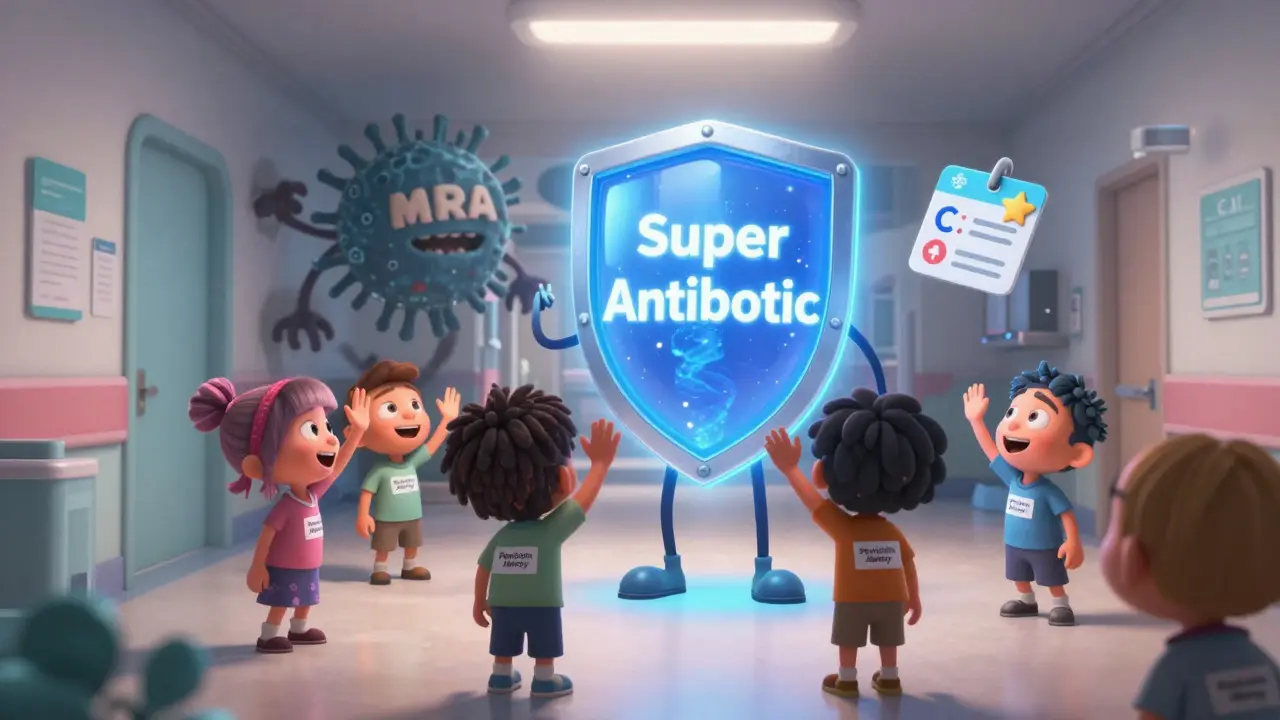
What You Can Do Right Now
If you’ve ever been told you’re allergic to penicillin, here’s what to do:- Check your medical records. Look for the allergy note. Is it based on a real reaction-or just a guess?
- Ask your doctor: “Could I have been mislabeled?”
- If your reaction was mild or happened more than 10 years ago, ask for a referral to an allergist.
- If you’ve never been tested, don’t assume you’re still allergic. You probably aren’t.
- If you’ve had a severe reaction, don’t take penicillin again without seeing an allergist.
Final Thought: Your Allergy Label Isn’t Permanent
Allergies change. About 80% of people who had a true IgE-mediated penicillin allergy lose their sensitivity after 10 years without exposure. Even severe delayed reactions often fade within a year or two. You’re not stuck with a label from childhood. You don’t have to live with the consequences of a misdiagnosis from decades ago. Testing is safe, quick, and life-changing. It’s not just about avoiding a rash-it’s about making sure the next time you’re sick, you get the best possible treatment.Can I outgrow a penicillin allergy?
Yes, many people do. About 80% of those with a true IgE-mediated penicillin allergy lose their sensitivity after 10 years without exposure. Even severe delayed reactions like rashes often fade within 1-2 years. But you can’t assume you’re no longer allergic-you need testing to know for sure.
Is it safe to take cephalosporins if I’m allergic to penicillin?
For most people, yes. If you’ve never had a true IgE-mediated reaction (like anaphylaxis or hives), you can safely take most cephalosporins, including cefazolin. Even patients with a history of mild rash can usually tolerate them. Only those with a history of severe, immediate reactions need to avoid them. Always check with your doctor or allergist first.
What if I had a rash as a child but never got tested?
You’re likely not allergic. Most childhood rashes after penicillin are not true allergies-they’re often viral rashes or side effects. If you haven’t had a reaction since childhood and never had swelling, breathing trouble, or anaphylaxis, you’re a good candidate for testing. Skin testing and an oral challenge can confirm you’re safe.
Can I test myself at home?
No. Never try to test yourself. Even a small dose of penicillin can trigger a life-threatening reaction in someone who’s truly allergic. Skin testing and oral challenges must be done under medical supervision with emergency equipment on hand. Always see an allergist or trained provider.
Will my insurance cover penicillin allergy testing?
Most insurance plans cover allergy testing when ordered by a doctor, especially if it’s linked to a medical need like surgery or recurrent infections. The cost of testing is far less than the cost of using broader-spectrum antibiotics over time. Ask your allergist’s office-they can help you check coverage.
What should I do if I have a true penicillin allergy?
Avoid all penicillin-type drugs and tell every healthcare provider about your allergy. Wear a medical alert bracelet. Keep a list of safe alternatives like azithromycin, clindamycin, or doxycycline. If you need antibiotics in an emergency, make sure your medical records clearly state your allergy. Always carry epinephrine if you’ve had anaphylaxis before.
My cousin got a rash at 7, now she can’t get surgery because of a label she didn’t earn. We’re all just following the ghost of a childhood rash.
So many people carry these labels like badges, and they don’t even realize how much they’re limiting their own care, and everyone else’s!
Don’t assume-you TEST!
And if you’ve been told you’re allergic, please, please, PLEASE talk to your doctor about a referral to an allergist.
It’s not just about you-it’s about saving antibiotics for the next person who needs them.
And yes, it’s usually covered by insurance!
You’ve got nothing to lose-and everything to gain.
This is why our healthcare system works better. You guys need to stop being so careless.
My doctor was shocked I never got checked.
Now I’m telling everyone I know.
It’s not scary. It’s just a quick test.
And if you’re like me-you’ve been living with a ghost. Let it go.
But here’s the thing-most of us didn’t even know we could get tested.
My uncle had a rash at 12, got labeled, never took penicillin again. Then he got sepsis. They gave him vancomycin. He was in the hospital for six weeks.
If they’d just tested him, he’d have gotten the right drug. He’d have been home in three days.
It’s not just about avoiding rashes. It’s about avoiding death.
And honestly? If you’re still scared? Go see an allergist. They’re not going to poke you with a needle and leave you to die. They’re trained. They’ve got epinephrine ready.
Don’t let a 30-year-old label kill you.
And cephalosporins are safe too?
Wait, so I can actually take amoxicillin again?
That’s wild. I’ve been avoiding it for 15 years.
Should I just call my doctor? Or is there a form I need to fill out first? 😅
Why do you think they keep giving you these drugs? They don’t care. They just want to sell more antibiotics.
And now you’re supposed to trust a ‘test’ that’s run by the same system that gave you the label in the first place?
Wake up. The system doesn’t want you healthy. It wants you dependent.
And don’t even get me started on ‘insurance coverage’-like that’s a real thing. 😒
Most people don’t realize how much harm a mislabeled allergy causes-not just to themselves, but to the entire medical ecosystem.
Broader-spectrum antibiotics aren’t just more expensive-they’re more toxic. They wreck your microbiome. They breed resistance. They make future infections harder to treat.
And yet, we keep doing it because we’re afraid of a rash from 20 years ago.
Testing isn’t just safe. It’s responsible.
It’s not about being brave. It’s about being informed.
Turns out, I was just reacting to the sugar in the syrup.
My allergist laughed when I told her my story. Said it happens all the time.
Now I’m the guy who brings the printed test results to every doctor’s appointment.
And yeah-I’ve started telling my friends.
It’s not just a medical thing. It’s a cultural thing. We’re too scared to question labels.
Time to unlearn that.
My cousin got sick after penicillin. Now she’s fine on azithromycin. So what’s the big deal?
That’s kind of hilarious. I’ve been avoiding amoxicillin like it’s poison.
Guess I’ve been living in a lie.
Thanks for the reality check. 😅
Why do we do this to ourselves?
Label someone, then act like it’s gospel.
Meanwhile, the rest of the world uses penicillin like water.
We’re not special. We’re just scared.
But biology doesn’t work like that.
Your immune system forgets.
It doesn’t hold grudges.
It just responds.
So if you haven’t been exposed in a decade, you’re not the same person you were at 7.
And yet-we let a childhood mistake dictate our adult health.
That’s not science. That’s superstition.
Testing isn’t just safe. It’s a form of liberation.
So we just avoid penicillin.
Because if we don’t, and we die, who’s going to pay for the funeral?
So yes, you’re right. But you’re also privileged.
I didn’t even know.
It’s crazy how much we don’t know about our own bodies.
But now I’m going.
And I’m telling my sister. And my mom. And my cousin who’s getting surgery next month.
It’s not just about me.
It’s about everyone who might need me to be healthy.