Quick Takeaways
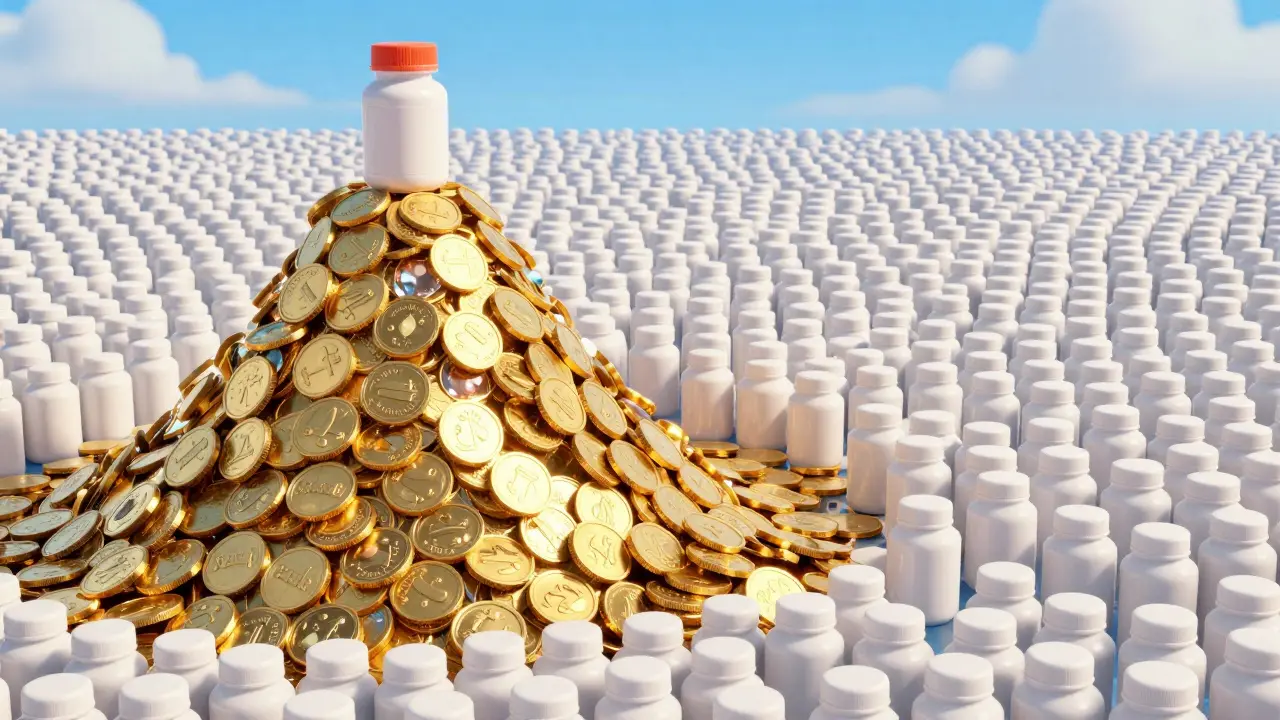
- Generic drugs delivered a staggering $482 billion in savings to the U.S. healthcare system in 2024.
- While generics make up 90% of prescriptions, they account for only 12% of total spending.
- Biosimilars are the "next frontier," with some new versions of biologics costing 80% less than the original.
- The "biosimilar void" is a major risk, as 90% of biologics losing patents soon have no competitors in development.
- Policy shifts like the Inflation Reduction Act are capping costs for critical meds like insulin.
The Math Behind the Savings
To really grasp the scale of healthcare system savings, you have to look at the 2025 U.S. Generic & Biosimilar Medicines Savings Report. In 2024, generic medications handled about 3.9 billion prescriptions. That's 9 out of every 10 scripts filled. Despite this volume, they only cost the system $98 billion. Compare that to brand-name drugs: they only filled 435 million prescriptions but swallowed $700 billion in spending. That is a massive imbalance.
This isn't just a one-year fluke. Since 2016, the cost share of generics has dropped from 27% down to 12%. Even as we use more generics, the total amount spent on them has actually decreased by $6.4 billion since 2019. Essentially, Generic Drugs are the only part of the pharmaceutical world that consistently drives costs down while increasing access. When you see a pharmacist offer a generic version of a drug, they aren't just saving you a few bucks; they're participating in a system that saved the U.S. nearly half a trillion dollars in a single year.
Biosimilars: The New Frontier of Cost Cutting
For a long time, generics were mostly simple chemical formulas. But now we're dealing with biologics-complex, large-molecule drugs grown in living cells. Because you can't perfectly copy a living cell, we use Biosimilars, which are "highly similar" versions of those expensive biologics. These are becoming the primary way health plans deflate their costs.
Take the case of Humira. For years, it was a budget-buster for insurance companies. However, thanks to private-label strategies and increased competition, the uptake of Humira biosimilars jumped from a measly 3% to 28% in 2024. We're seeing the same pattern with Stelara, a $6 billion biologic. Seven FDA-approved biosimilars are entering the market, and they're hitting the shelves at more than 80% less than the original price. If these are fully adopted by 2026, we're looking at about $4.8 billion in annual savings just from that one drug family.
| Metric | Brand-Name Drugs | Generic Drugs |
|---|---|---|
| % of Total Prescriptions | 10% | 90% |
| Total Spending | $700 Billion | $98 Billion |
| % of Total Expenditure | 88% | 12% |
| Volume (Prescriptions) | 435 Million | 3.9 Billion |

The "Biosimilar Void" and Other Roadblocks
It's not all smooth sailing. There is a looming problem experts call the "biosimilar void." While we've seen success with a few big drugs, the pipeline for future biologics is terrifyingly empty. About 90% of brand-name biologics that will lose their patent protection in the next decade have absolutely zero biosimilars in development. If we don't fix this, we're potentially throwing away $234 billion in savings over the next ten years.
Then there's the "pay for delay" game. Some brand-name manufacturers don't want to compete, so they pay generic companies to stay out of the market. On average, these companies spend $1.2 billion a year on settlements to block low-cost alternatives. It's a legal loophole that keeps prices artificially high and prevents patients from accessing cheaper meds. When a company pays to delay a generic, they aren't just protecting a patent; they're actively removing a cost-saving tool from the healthcare system.
Policy Shifts: From Insulin to Medicare Negotiations
We're starting to see the government step in where the market fails. The Inflation Reduction Act is a prime example. It's capping insulin costs at $35 per month for Medicare beneficiaries. We've already seen the impact of public pressure; Eli Lilly dropped the price of non-branded insulin from $275 down to $25 per vial. That's a massive win for the millions of people who can't afford to skip a dose.
Looking ahead to 2026, the Congressional Budget Office expects that expanding Medicare's drug price negotiations to 30 drugs per year could save between $500 and $550 billion over a decade. If those negotiated prices were applied to Medicaid and private insurance, the total savings could top $1 trillion. Combine this with the White House's Most-Favored-Nation pricing, which recently slashed the monthly cost of Ozempic and Wegovy from over $1,000 to just $350, and you can see a shift toward a more sustainable pricing model.
Real-World Impact: Beyond the Billions
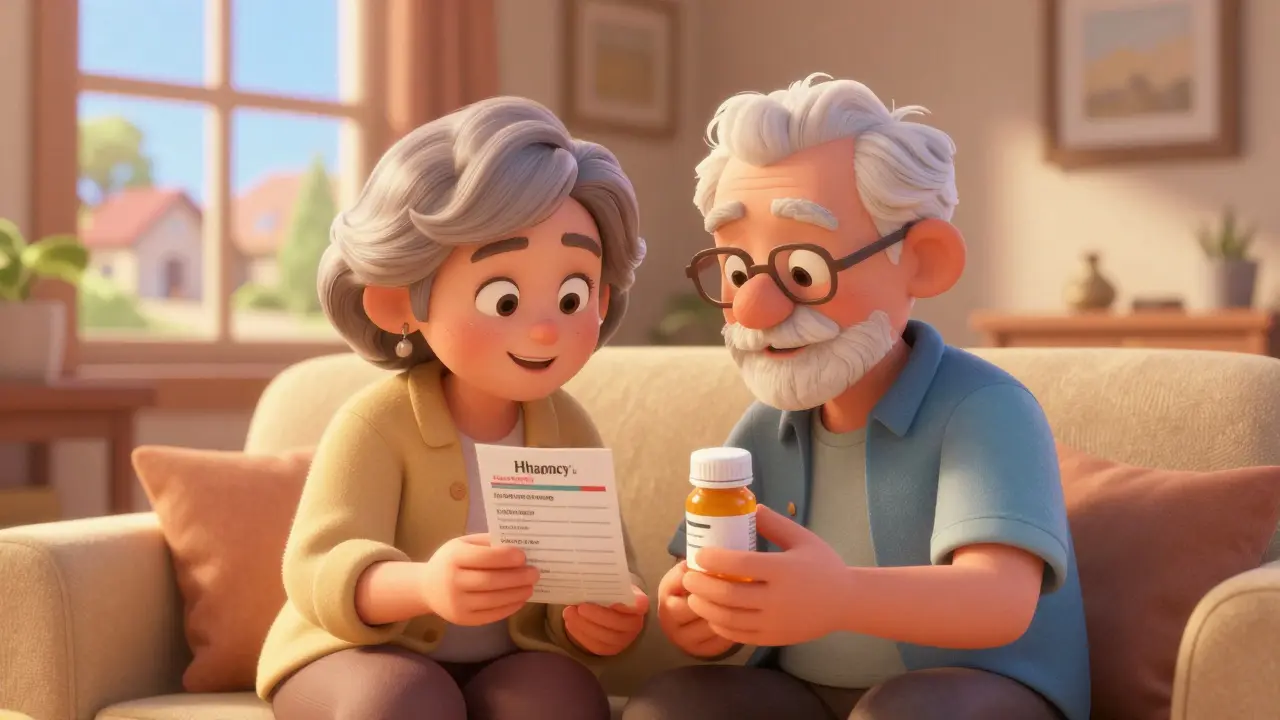
All these billions in savings sound great for accountants, but what does it mean for a real person? For many, generics are the difference between taking their medication and going into debt. Research from GoodRx shows that nearly 1 in 12 Americans have medical debt specifically because of prescription costs. In community forums like Reddit, patients often share how switching to a generic-like albuterol for asthma-can save them hundreds of dollars a month.
However, it's not always a perfect switch. Some patients experience "therapeutic interchanges," where a pharmacist swaps one generic for another that might have a slightly different effect. While the active ingredient is the same, the inactive fillers can sometimes change how a person reacts to the drug. This is why the focus shouldn't just be on the cheapest price, but on the quality of the manufacturing. With over 1,200 FDA Form 483 observations in 2024, ensuring that generic plants meet quality standards is just as important as making the drugs cheap.
Why are brand-name drugs so much more expensive than generics?
Brand-name drugs carry the cost of research, development, and clinical trials. Once the patent expires, generic manufacturers can enter the market. Since they don't have to repeat those expensive initial trials, they can sell the same active ingredient at a fraction of the cost, leading to high competition that drives prices down.
Are biosimilars exactly the same as generics?
Not exactly. Generics are chemically identical copies. Biosimilars are made from living cells, so they can't be identical. However, they are "highly similar" and have no clinically meaningful differences in safety, purity, or potency compared to the original biologic drug.
What is the "biosimilar void"?
The biosimilar void refers to the fact that many expensive biologics are about to lose their patent protection, but there are no biosimilar competitors currently in the development pipeline to replace them. This represents a missed opportunity for billions of dollars in potential savings.
How do "pay for delay" agreements work?
This happens when a company that makes a brand-name drug pays a generic competitor to keep their lower-cost version off the market for a certain period. This extends the brand-name drug's monopoly and keeps prices high for patients and insurance plans.
Will Medicare drug price negotiations help me if I have private insurance?
Directly, no, because Medicare negotiations only affect government spending. However, if those negotiated prices become the industry standard or if private insurers push for similar terms, it could lead to system-wide price drops. Some projections suggest that expanding these negotiations to commercial plans could save over $1 trillion.
What to do next
If you're managing chronic health conditions and feeling the pinch of drug costs, start by asking your doctor if a generic or biosimilar alternative exists for your current prescriptions. If you're on a biologic, ask specifically about biosimilar options, as these are the biggest cost-savers in the current market. For those on Medicare, keep an eye on the 2026 rollout of expanded drug price negotiations, which may lower the cost of several more common medications.
The 'pay for delay' game is a moral failure of the highest order. It's absolutely disgusting that corporations are essentially paying bribes to keep people sick or broke just to protect a profit margin. We're talking about a systemic betrayal of the basic human right to health. If you're a CEO signing those checks, you're not just 'managing a business,' you're actively participating in a scheme that prioritizes gold over human life. It's an ethical void that mirrors the biosimilar void perfectly. The greed is just blinding at this point.