Anticoagulant Diet: What to Eat and Avoid to Stay Safe
When you're on a blood thinner, a medication that reduces your blood’s ability to clot, often prescribed for atrial fibrillation, deep vein thrombosis, or after valve replacement. Also known as anticoagulant, it works best when your diet stays steady—especially when it comes to vitamin K, a nutrient that plays a key role in blood clotting and directly interacts with drugs like warfarin.
Many people think they need to avoid vitamin K entirely, but that’s not true. It’s not about cutting it out—it’s about keeping it consistent. Eating a big salad one day and almost none the next can throw off your INR levels, making your blood too thin or too thick. That’s why doctors stress routine. If you love spinach, kale, or broccoli, keep eating them—but don’t suddenly double your portions. Same goes for green tea, cranberry juice, and alcohol. These aren’t banned, but they can change how your body processes your medication. Even some supplements like fish oil or garlic pills can increase bleeding risk when mixed with anticoagulants. You don’t need to fear these foods. You need to know how they behave with your drug.
What you eat affects how well your medication works. A warfarin, a common anticoagulant that requires regular blood tests to monitor dosage doesn’t just interact with food—it’s sensitive to changes in your lifestyle. Skipping meals, starting a new diet, or even traveling can shift your response. That’s why tracking what you eat matters. You don’t need a food diary forever, but for the first few months, writing down your main sources of vitamin K helps your doctor adjust your dose accurately. And if you’re on a newer anticoagulant like apixaban or rivaroxaban, you have more flexibility—but you still need to avoid extreme swings. The goal isn’t perfection. It’s predictability.
There’s no magic list of "good" or "bad" foods. Instead, focus on balance and consistency. If you’re unsure, talk to your pharmacist or dietitian. They can help you build a simple, sustainable plan that fits your life. The posts below cover real stories and science behind how diet, supplements, and medications interact—so you don’t have to guess what’s safe. You’ll find practical advice on managing your meals, spotting hidden vitamin K, and avoiding common mistakes that lead to hospital visits. This isn’t about restriction. It’s about control—so your medication works the way it should.
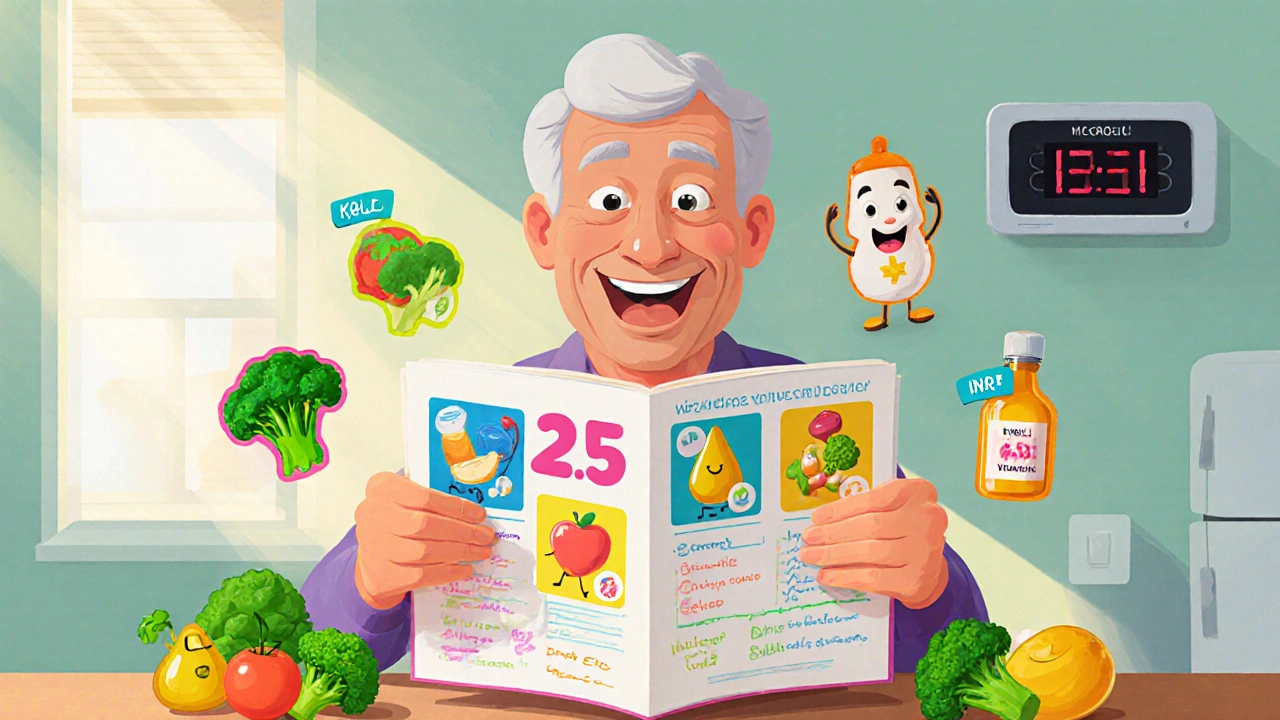
Using Food Diaries on Warfarin: Track Vitamin K to Stay Safe
Track vitamin K intake with a food diary to keep your INR stable while on warfarin. Learn which foods affect blood thinning, how to use apps or paper logs, and what experts recommend for safety.