Antihistamine Allergy: What You Need to Know About Relief and Risks
When your body overreacts to pollen, pet dander, or dust, it releases histamine, a chemical that triggers swelling, itching, and runny nose during allergic reactions. Antihistamine, a class of drugs designed to block histamine’s effects and ease allergy symptoms. These are the go-to fix for most people with seasonal allergies, hives, or mild reactions—but they’re not magic pills. Some make you sleepy. Others don’t work for everyone. And mixing them with other meds can be risky, especially if you’re on heart or depression drugs.
Not all allergic reactions, the body’s immune response to harmless substances like food, insects, or medications. are the same. A stuffy nose from ragweed isn’t the same as a swollen throat from peanuts. Antihistamines help with the first but won’t stop the second. That’s why knowing the difference between a side effect, a predictable, non-life-threatening reaction like drowsiness or dry mouth. and a true drug allergy, an immune system overreaction that can cause rash, breathing trouble, or anaphylaxis. matters. Too many people call drowsiness an "allergy" and miss out on better options. If you’ve had a rash after taking Benadryl, that’s different from feeling tired after taking Zyrtec. One might mean you need a different drug. The other just means you need to take it at night.
Some antihistamines are old and cheap—like diphenhydramine—but they’re also the ones that knock you out. Newer ones like loratadine or fexofenadine don’t usually cause sleepiness, but they might not work as fast. And if you’re taking other meds—like blood pressure pills or antidepressants—you could be risking an interaction. That’s why checking with your pharmacist or doctor before switching brands or adding supplements is smart. You’re not just treating sneezes; you’re managing your whole health picture.
What you’ll find below are real, practical posts about how antihistamines fit into daily life: when they help, when they don’t, how to tell if you’re having a side effect or a real allergy, and what to do when they stop working. No fluff. Just what you need to use them safely and know when to ask for something else.
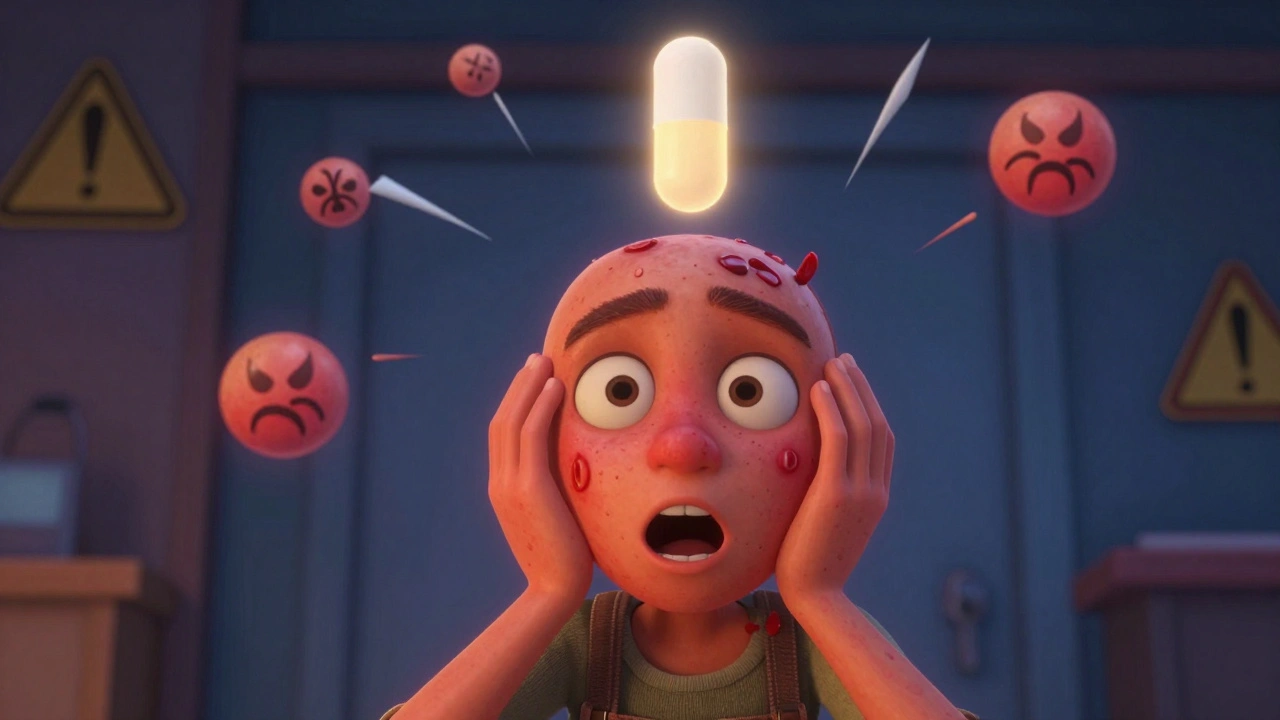
Antihistamine Allergies and Cross-Reactivity: What to Watch For
Some people develop hives or allergic reactions from antihistamines instead of relief. This rare but real condition is caused by receptor changes, not typical allergies. Learn how to recognize it, why tests often miss it, and what to do next.