Bacterial Infections: Causes, Treatments, and What You Need to Know
When you have a bacterial infection, an illness caused by harmful bacteria multiplying in your body. Also known as bacterial illness, it can strike anywhere — your throat, lungs, skin, or urinary tract — and often needs more than rest to clear up. Unlike viruses, bacteria are living organisms that can spread through touch, air, food, or contaminated surfaces. Not all infections are serious, but some — like pneumonia, strep throat, or urinary tract infections — can turn dangerous fast if ignored.
That’s where antibiotics, medicines designed to kill or stop the growth of bacteria come in. But here’s the catch: antibiotics don’t work on colds, flu, or most sore throats — those are viral. Using them when they’re not needed doesn’t help you, and it harms everyone by fueling antibiotic resistance, when bacteria evolve to survive drug treatment. This isn’t science fiction — it’s happening right now. The CDC calls it one of the biggest public health threats today. Misuse of antibiotics, whether from taking them too long, skipping doses, or using leftover pills, makes resistant strains stronger and harder to treat.
Knowing the difference between a bacterial infection and something else matters. Fever, pus, worsening symptoms after a few days, or localized pain (like an earache that won’t quit) can signal bacteria. But symptoms alone aren’t enough — doctors often need tests to confirm. That’s why self-diagnosing and grabbing antibiotics from a friend’s old prescription is risky. You could miss something serious, or make a minor issue worse.
What you’ll find here aren’t generic advice or fluff. These are real, practical guides from people who’ve dealt with infections — how to recognize when it’s time to call a doctor, why some treatments fail, how to avoid spreading germs, and what to do when antibiotics don’t work like they used to. You’ll learn about the hidden risks of overusing meds, how to track symptoms effectively, and how to talk to your care team so you get the right treatment — not just the fastest one. This isn’t about fear. It’s about knowing what’s really going on in your body — and making smarter choices so you stay healthy longer.
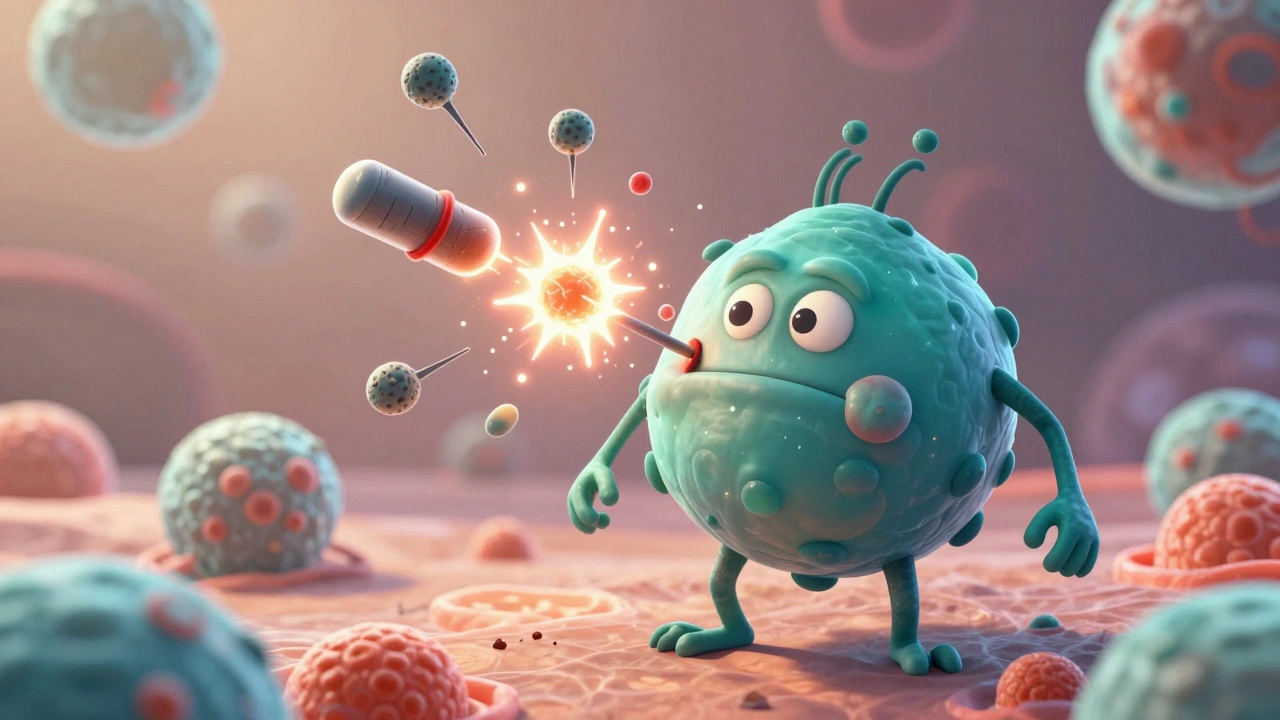
Antibiotics for Bacterial Infections: Classes and How They Work
Antibiotics fight bacterial infections by targeting specific parts of bacteria-cell walls, protein factories, or DNA. Learn how the main classes work, why resistance is growing, and what you can do to help.