Drug Market Protection: How Policies Shape Access, Cost, and Safety
When we talk about drug market protection, the set of rules and incentives that control how pharmaceuticals are priced, distributed, and replaced by generics. Also known as pharmaceutical market regulation, it’s what decides whether you pay $5 or $500 for the same pill. It’s not just about big pharma profits—it’s about whether your insulin, your heart medication, or your antidepressant is even within reach.
Behind every generic drug, a cheaper version of a brand-name medicine approved by regulatory agencies after the original patent expires is a battle over patents, exclusivity, and legal loopholes. Some companies extend protection by tweaking formulas slightly—called evergreening—keeping prices high even when the original patent runs out. Meanwhile, brand-name medications, originally developed drugs protected by patents and marketed under a proprietary name often stay expensive for years after generics are available, because insurers and pharmacies still push them first. That’s why appeals for insurance denials, like the ones covered in our posts, aren’t just paperwork—they’re survival tactics.
Drug market protection doesn’t just affect price. It shapes safety, too. When generics flood the market, quality control becomes critical. Not all generics are made the same—authorized generics, exact copies of brand drugs made by the original manufacturer under a different label often perform more consistently than traditional generics, especially for drugs with narrow therapeutic windows like epilepsy or heart meds. And when people can’t afford their meds, they skip doses, split pills, or turn to risky online sources. That’s why understanding medication access, the ability to obtain prescribed drugs without prohibitive cost or legal barriers isn’t just policy talk—it’s the difference between managing a condition and ending up in the ER.
What you’ll find here aren’t abstract debates. These are real stories: how people fought insurance to get their brand-name drug covered, why expired pills become tempting when prices soar, how comorbidities make drug interactions deadlier under tight budgets, and how caregivers step in when the system fails. This isn’t about politics—it’s about what happens when the rules don’t match reality. You’ll learn how to spot when a drug’s price is artificially protected, how to question your pharmacy’s choices, and what to do when the system says no.
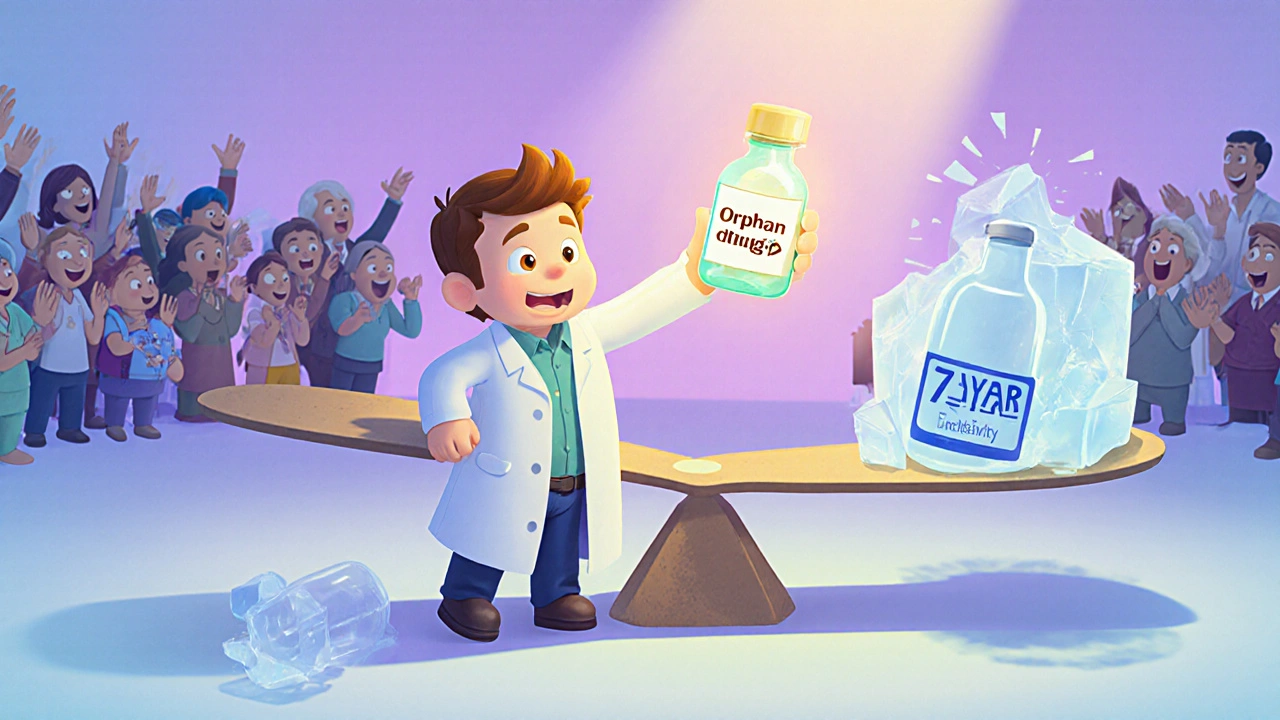
Orphan Drug Exclusivity: How Rare-Disease Medicines Get Market Protection
Orphan drug exclusivity gives pharmaceutical companies seven years of market protection for rare-disease treatments, encouraging development where profits would otherwise be impossible. Here's how it works, who benefits, and why it's changing.