Drug Take Back: Safe Disposal of Unused Medications
When you have old pills sitting in your medicine cabinet, drug take back, a system for collecting and safely destroying unused or expired medications. Also known as pharmaceutical take-back programs, it’s not just about cleaning out drawers—it’s about stopping drugs from ending up in waterways, falling into the wrong hands, or poisoning kids and pets. Every year, millions of pounds of unused prescription drugs are flushed, tossed in the trash, or left to gather dust. That’s not just wasteful—it’s dangerous. The drug take back movement exists because improper disposal leads to opioid misuse, environmental contamination, and accidental overdoses.
These programs aren’t just government initiatives—they’re community efforts. Pharmacies, hospitals, and police stations often host drop-off boxes where you can leave unused painkillers, antibiotics, antidepressants, or even over-the-counter meds. You don’t need a receipt. You don’t need to explain why you’re dropping them off. You just bring them in, and trained staff handle the rest. Some places even offer mail-back envelopes for rural areas. The goal? Keep drugs out of landfills and sewers, where they can leach into groundwater and harm fish, wildlife, and eventually, people.
Related to this are pharmaceutical waste, the leftover medications that enter the environment through improper disposal, and medication disposal, the process of safely getting rid of drugs after they’re no longer needed. These aren’t just buzzwords—they’re real problems. A 2020 EPA study found traces of antidepressants and hormones in drinking water samples across 24 states. And while flushing pills used to be common advice, it’s now discouraged by the FDA and CDC. Why? Because wastewater treatment plants can’t fully remove these chemicals. Only secure take-back programs can.
You might wonder: why not just throw them in the trash? It’s better than flushing, but still risky. A 2021 study showed that over 60% of unused opioids found in homes came from people who didn’t know where to safely dispose of them. That’s why drug take back isn’t just about convenience—it’s about public safety. If your medicine cabinet holds leftover antibiotics from last year’s infection, or painkillers from a surgery you no longer need, you’re holding onto a potential hazard. Taking them to a drop-off site is the only way to guarantee they’re destroyed properly.
What you’ll find below are real, practical guides on how to handle old meds, when to act, and where to go in Canada. Whether you’re caring for an aging parent, managing chronic pain, or just cleaning out your bathroom cabinet, these posts give you clear steps—not theory, not fluff. You’ll learn how to prepare pills for disposal, what to do if no drop-off is nearby, and how to talk to your pharmacist about safe options. This isn’t about guilt. It’s about doing the right thing, simply and safely.
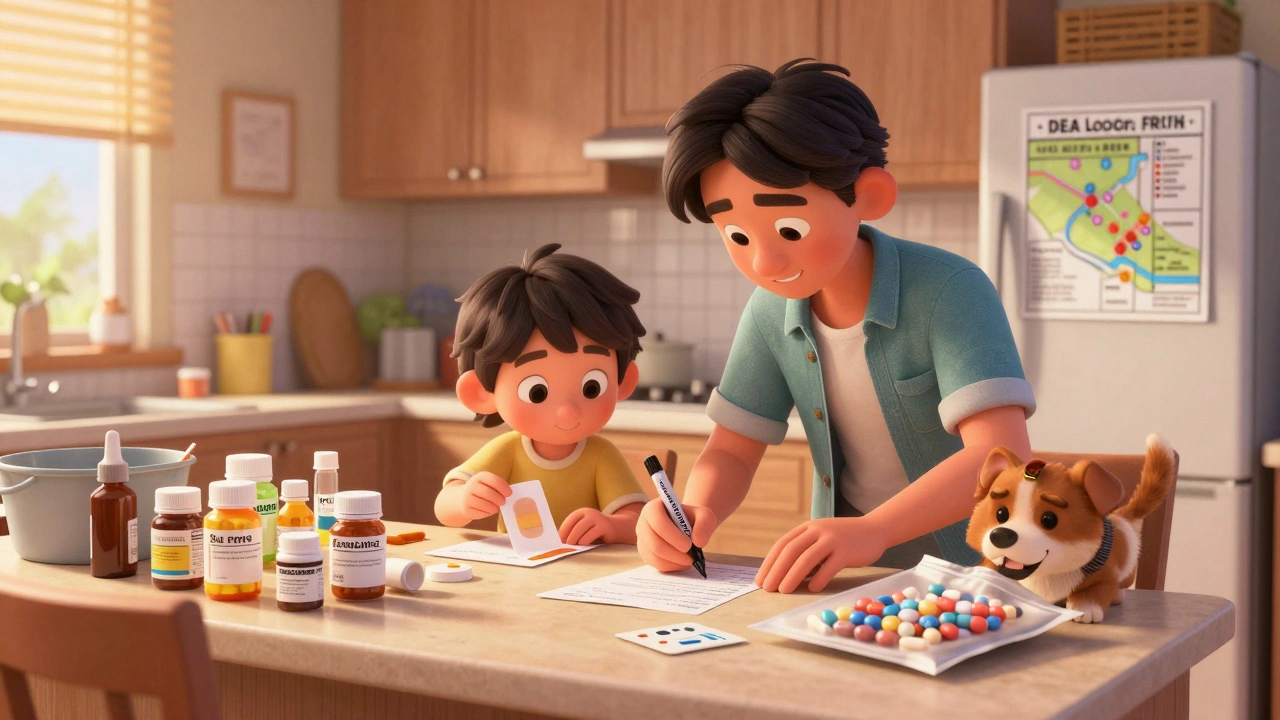
How to Prepare Unused Medications for Take-Back Events: Simple Steps to Stay Safe and Legal
Learn how to safely prepare unused medications for take-back events. Follow simple steps to protect privacy, prevent misuse, and stop pharmaceutical pollution. No flushing. No trash. Just safe disposal.