Generic Drugs Side Effects: What You Need to Know Before Taking Them
When you pick up a generic drug, a medication that contains the same active ingredient as a brand-name drug but is sold under its chemical name. Also known as generic medication, it works the same way as the original—but often costs far less. This is why so many Canadians switch to generics after a brand-name drug loses patent protection. But just because the active ingredient is identical doesn’t mean your body will react the same way. Generic drugs side effects can still happen, and sometimes in ways people don’t expect.
Not all generics are made the same. While the FDA and Health Canada require them to be bioequivalent, meaning they deliver the same amount of active ingredient into your bloodstream, the inactive ingredients—like fillers, dyes, and preservatives—can vary. These differences can trigger reactions in people with sensitivities. For example, someone who tolerates brand-name Lipitor fine might get a rash or upset stomach on a generic version of atorvastatin because of a different dye or binder. And if you’re on multiple meds, those inactive ingredients can interact with other drugs you’re taking. That’s why drug side effects, unwanted physical or mental reactions to a medication aren’t always about the active ingredient. They’re also about what’s hiding in the pill.
People often assume generic means less effective or riskier, but that’s not true for most cases. The real issue is awareness. Many don’t realize that switching from brand to generic—even within the same drug class—can change how their body handles the medication. If you’ve had side effects before, or if you have conditions like kidney disease, liver problems, or autoimmune disorders, your body might process the generic differently. That’s where medication safety, the practice of using drugs correctly to avoid harm becomes critical. You need to track how you feel after the switch, not just assume it’s the same. A headache, dizziness, or nausea isn’t always "just part of getting older." It might be your body reacting to a new filler in your generic pill.
And then there’s the confusion between side effects and allergies. Some people think if they had a reaction to a brand-name drug, they’re allergic to the generic too. But allergies are immune responses—like swelling or trouble breathing—while side effects are more like irritation or overload. Mixing them up can lead to doctors avoiding a drug that might actually work for you. That’s why knowing the difference matters. It’s not just about saving money. It’s about staying in control of your health.
Below, you’ll find real stories and facts from people who’ve dealt with these issues. Some switched generics and felt worse. Others saved hundreds without a problem. We cover how to spot trouble early, what to ask your pharmacist, and when to push back if something doesn’t feel right. This isn’t about scaring you off generics. It’s about giving you the tools to use them safely—and wisely.
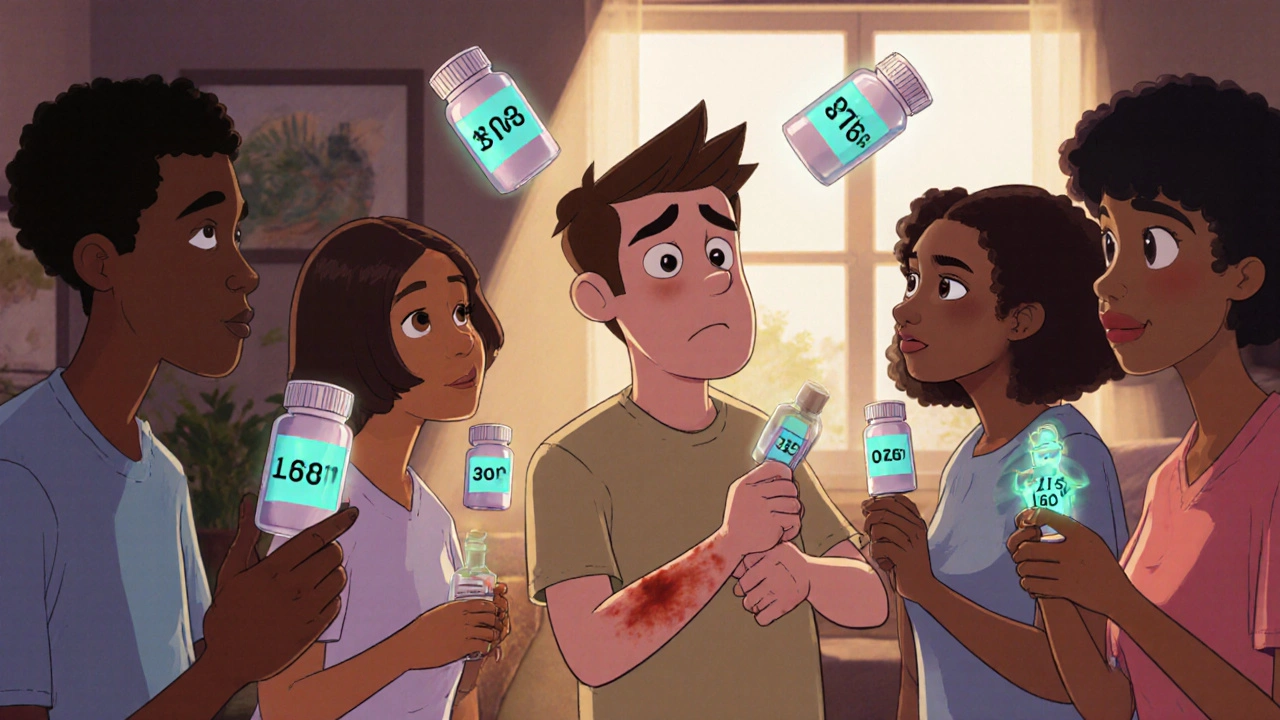
When to Report Rare Side Effects from Generic Medications
Learn when and how to report rare side effects from generic medications. Understand what counts as serious, unexpected, or life-threatening, and how your report helps protect others.