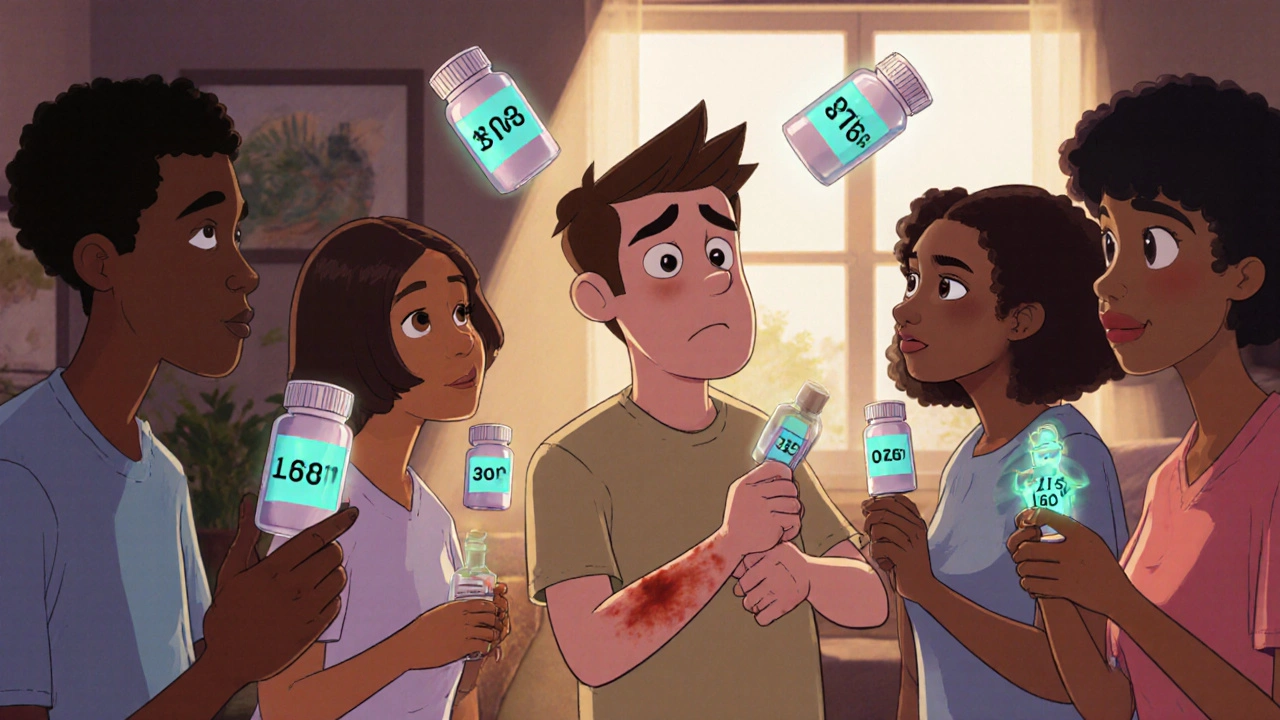
When you take a generic medication, you expect the same results as the brand-name version. And for most people, that’s exactly what happens. But sometimes, rare side effects show up-side effects that weren’t seen in clinical trials, or ones that only happen in a handful of people. That’s when reporting becomes critical. Not because it’s likely to happen to you, but because if you don’t report it, no one else will know it’s happening-and future patients might be at risk.
Why generic drugs can cause rare side effects
Generic drugs contain the same active ingredient as their brand-name counterparts. That’s the law. But they can differ in inactive ingredients-fillers, dyes, preservatives, coatings. These don’t affect how the drug works, but they can trigger reactions in sensitive people. For example, someone with lactose intolerance might develop bloating or diarrhea after switching to a generic version of a medication that uses lactose as a filler. Another person might develop a skin rash from a dye used in one manufacturer’s version but not another’s.Even more rarely, differences in how the drug is absorbed or released can lead to unexpected effects. A 2021 FDA study found no significant difference in serious side effects between generic and brand-name cardiovascular drugs overall. But in individual cases-like QT prolongation with generic citalopram or liver injury with certain statins-small variations in formulation led to serious outcomes in a tiny fraction of users. These aren’t manufacturing errors. They’re rare biological responses that only show up when thousands or millions of people take the drug.
What counts as a rare adverse event?
The FDA defines a rare adverse event as one that occurs in fewer than 1 in 1,000 people based on clinical trial data. But post-marketing surveillance often finds even rarer reactions-1 in 10,000, or even 1 in 100,000. These are the events that slip through clinical trials because they’re too uncommon to show up in small study groups.Examples include:
- Stevens-Johnson Syndrome after taking generic lamotrigine (reported at 1.8 cases per 10,000 person-years, higher than trial data suggested)
- Acute liver injury within weeks of starting a generic statin
- Angioedema from a generic ACE inhibitor in someone who never had it before
- Severe joint pain (arthralgia) linked to generic levetiracetam, with over 40 reports prompting an FDA safety review
These aren’t common. But they’re real. And they’re reportable.
When you must report a side effect
You don’t need to wait for a doctor to tell you to report. If you experience something unusual after starting a generic drug, and it doesn’t seem like a normal side effect, report it. The FDA’s MedWatch program asks for reports when there’s reasonable suspicion of a link-even if you’re not sure.Here’s when to act:
- The reaction is serious. That means it caused hospitalization, disability, birth defects, or could have killed you. Even if you recovered, it still counts.
- The reaction wasn’t listed on the label. If your drug’s package insert doesn’t mention it, it’s unexpected-and that triggers expedited reporting.
- The timing fits. Did the symptom start within days or weeks of switching to the generic? Did it go away when you stopped and come back when you restarted? That’s a strong signal.
- No other explanation exists. Did you change anything else? New food? New supplement? New stressor? If not, the drug is the most likely cause.
Don’t wait for proof. Don’t wait for others to report first. Your report could be the one that triggers a safety review.
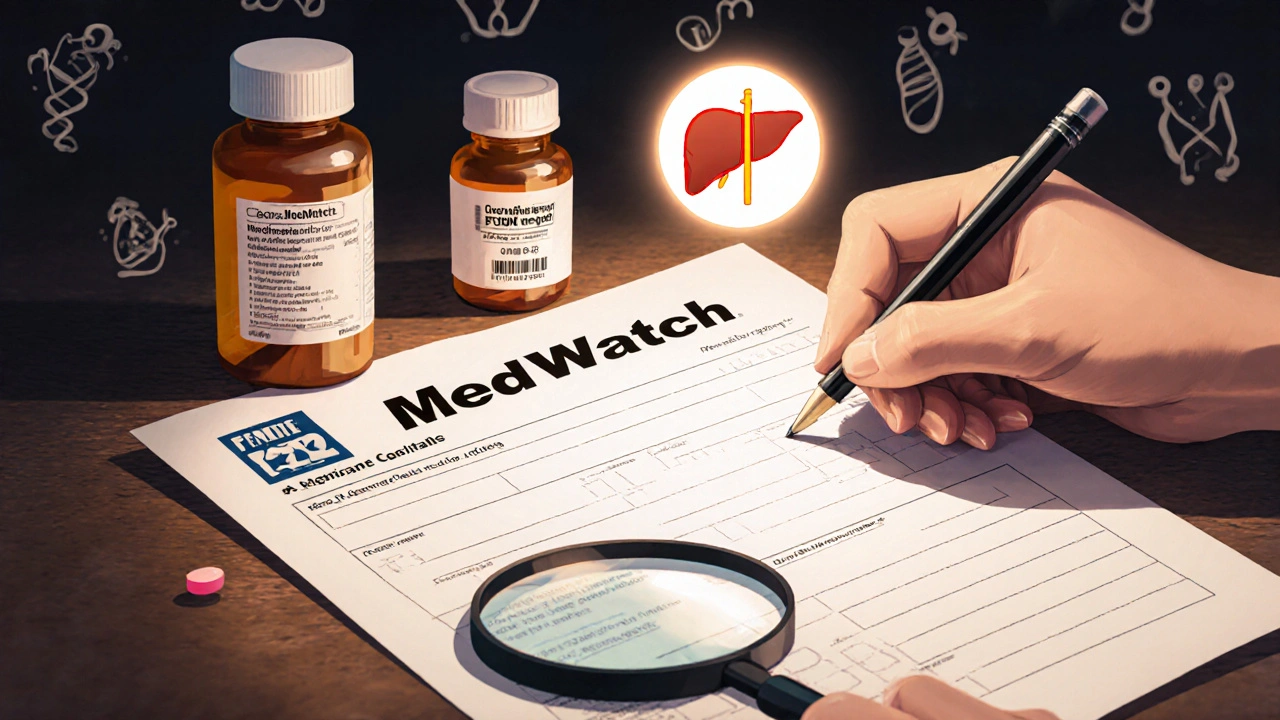
How to report: Step-by-step
Reporting is simple. You don’t need to be a doctor. You just need to be observant.For patients and caregivers:
- Go to fda.gov/medwatch or call 1-800-FDA-1088.
- Use Form 3500B (consumer version).
- Include these details:
- Your age and gender
- Exact name of the generic drug (check the bottle-some have the manufacturer’s name)
- Lot number (this is critical-found on the packaging)
- Date you started the drug
- When the side effect started
- What happened (be specific: "severe dizziness that made me fall," not just "felt weird")
- What you did (did you stop the drug? Did you go to the ER?)
- Any other medications or supplements you took
For healthcare providers:
Use Form 3500. You’re expected to assess causality using tools like the Naranjo Scale. If your score is 9 or higher, it’s considered a "definite" adverse drug reaction. Submit within 15 days if it’s serious and unexpected. Always include lab results, dosage history, and dechallenge/rechallenge data if available.
Why lot numbers matter
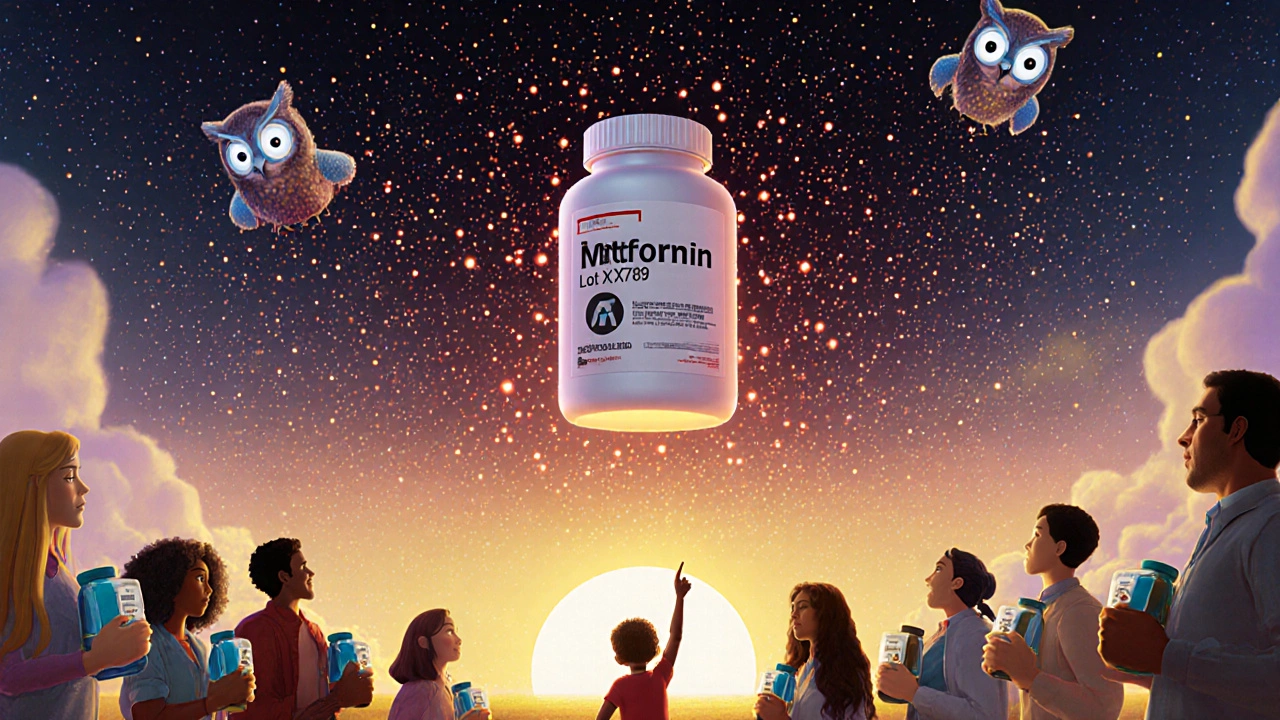
This is the most overlooked part. If 10 people report liver injury from a generic metformin, but none include the lot number, the FDA can’t tell if it’s one bad batch or a problem across all manufacturers. Only 12.4% of consumer reports include this key detail. That’s a problem.Lot numbers let regulators trace the issue to a specific production run. If it’s isolated, they can recall it. If it’s widespread, they can update labeling or issue a safety alert. Without it, the signal gets lost in the noise.
What happens after you report
Your report goes into the FDA’s Adverse Event Reporting System (FAERS)-a database with over 25 million entries. It’s not just a filing cabinet. AI tools now scan it daily, looking for patterns. Since 2020, machine learning has flagged potential safety issues 4.8 months earlier than old methods.When enough similar reports pile up, the FDA investigates. They might:
- Update the drug’s warning label
- Require new studies
- Ask manufacturers to change formulations
- Issue public safety communications
For example, after 17 reports of QT prolongation with generic citalopram, the FDA updated the label to limit the dose to 20mg/day for patients over 60. That change saved lives.
Common myths about reporting generics
Myth: "Generics aren’t as safe as brand-name drugs."
False. The FDA requires generics to meet the same standards for purity, strength, and performance. 98.7% of adverse event reports in FAERS don’t even distinguish between generic and brand because the active ingredient is identical. The issue isn’t safety-it’s variability in inactive ingredients and rare individual responses.
Myth: "Only doctors should report."
No. Consumers submit only 8.3% of reports, but they’re often the first to notice subtle changes. A patient might notice new anxiety, insomnia, or muscle cramps that a doctor might miss if they’re focused on lab values. Your perspective matters.
Myth: "If it’s not life-threatening, it doesn’t count."
Wrong. Even mild but persistent side effects-like chronic nausea or unusual fatigue-can signal a problem. The FDA’s 2023 guidance says 68.4% of major safety findings started with reports that seemed "uncertain." Don’t downplay your experience.
What’s being done to improve reporting
The FDA’s 2024 action plan aims to increase high-quality generic ADE reports by 25% over the next two years. That means:- Simpler online reporting tools for patients
- Provider training on how to document lot numbers and reactions
- Electronic reporting required for all manufacturers by December 2025
- More focus on excipient-related reactions-like lactose, gluten, or dyes-that affect a small number of people
The Sentinel Initiative, which tracks health data from 300 million patients, has already found new safety signals for generics, including increased hypoglycemia risk with certain metformin formulations. This is proactive surveillance-using real-world data to catch problems before they spread.
Your role in drug safety
You’re not just a patient. You’re part of a safety network. Most people never report side effects. They assume it’s just "bad luck" or that the drug isn’t for them. But when you report, you help others avoid the same problem.Think of it this way: If 100,000 people take a generic drug, and one person has a rare reaction, that’s 1 in 100,000. If only 10 people report it, the FDA might never see the pattern. But if 50 people report it? That’s a signal. And that signal can lead to a change that protects thousands.
Don’t wait for someone else to speak up. If you notice something unusual after switching to a generic, write it down. Note the lot number. Call 1-800-FDA-1088. Or go online. It takes five minutes. And it could save someone’s life.
Had a weird reaction to generic metformin-bloating so bad I thought I was pregnant. Switched back to brand, gone in 2 days. Lot number? Wrote it down. Report filed. No one else seems to care, but someone should.
Also, why do pharmacies switch generics without telling you? That’s wild.
Ugh. I took a generic version of my anxiety med and started crying in the grocery store for no reason. Thought I was having a breakdown. Turns out it was the dye. Now I only buy the brand. Worth the extra $20.
This is one of those posts that makes you realize how fragile our healthcare system is. We treat meds like they’re interchangeable widgets, but our bodies aren’t factories. That one person out of 100,000 who gets sick? That’s someone’s mom, sibling, friend.
Reporting isn’t just paperwork-it’s solidarity. And yeah, lot numbers matter. I used to skip ‘em too. Not anymore. 🙏
I’m a nurse and I’ve seen this happen so many times. Patients come in saying, ‘I’ve never felt like this before,’ and it’s always after a switch. I always ask for the bottle. Always. Lot number, manufacturer, everything.
You’d be surprised how often we catch something just by asking.
Thanks for sharing this. I’m sharing it with my whole team.
Stop being so naive. The FDA doesn’t care. Big Pharma owns them. You think your little report changes anything? Nah. They just bury it. You’re just feeding the machine.
And why do you even trust generics? They’re cheaper because they’re worse. Period.
Bro, I had joint pain after switching to generic levetiracetam. Took me 3 months to figure it out. I reported it. Got an email back saying ‘thank you for your feedback.’ That’s it. No follow-up. So yeah, report. But don’t expect anything to change. 😒
They’re putting microchips in the fillers. That’s why you feel weird. You think it’s the dye? Nah. It’s the tracking. They want to know who’s taking what. And if you report it? They’ll just flag you as ‘noncompliant.’
My cousin’s neighbor’s cousin got taken away after reporting a rash. Don’t be next.
Wow. This is the most basic post I’ve ever read. You think people don’t know this? Everyone who’s been on meds for more than 2 years knows about inactive ingredients. You didn’t even mention bioequivalence variance thresholds. Or the fact that the 80-125% range allows for 45% difference in absorption. That’s not ‘same drug’-that’s a gamble.
And you call that ‘safety’? Pathetic.
Oh wow, a whole essay on reporting side effects. Congrats, you just reinvented the wheel. The FDA’s system is a dumpster fire. Lot numbers? Only 12% of people include them? That’s because most don’t know where to find them. The bottle’s tiny, the print’s smaller than a mosquito’s eyelash.
And you think they’ll fix it? Nah. They’ll just add another form. 🤡
Bro, I used to think generics were just cheaper versions. Then my sister got liver issues after switching. We reported it. Lot number included. Two months later, the manufacturer changed the coating. No more issues.
Don’t give up. Your voice matters. Even if it feels like shouting into the void-you’re the one who makes the void listen. 🙌❤️
My grandma switched to generic blood pressure med and started getting dizzy every time she stood up. We called her pharmacist-they said ‘it’s probably just aging.’ We switched back. Problem gone.
Just saying: if something feels off after a switch, trust your gut. And write down the lot number. Seriously.
Thank you for writing this with such clarity and care. Too often, patient experiences are dismissed as anecdotal. But real-world data is the missing piece in drug safety. I’ve shared this with my support group-many hadn’t realized they could report without a doctor’s note.
Every report is a stitch in the safety net. Keep stitching.
why do people think the fda gives a damn? theyre just a bunch of bureaucrats who get paid to look busy. i reported a rash from a generic and got a form letter that said ‘your concerns are noted.’ noted? like a grocery list? lol.
also, i think they use the reports to sell more brand name drugs. its all a scam.
This entire post is dangerously misleading. The FDA’s database is statistically invalid. Over 80% of reports are unsubstantiated. People report ‘feeling weird’ after taking a pill-without lab work, without medical history, without dechallenge data. This isn’t science. It’s emotional venting dressed up as public service.
And you’re encouraging people to blame generics for every minor symptom? That’s irresponsible. The real issue? Overmedication and poor diagnostic practices.
Stop fearmongering. The data doesn’t support your alarmism.