Generic Medication Safety: What You Need to Know Before Taking Generic Drugs
When you pick up a generic medication, a pharmaceutical copy of a brand-name drug that contains the same active ingredient, dosage, and intended use. Also known as generic drugs, it is approved by health regulators like the FDA and Health Canada to work just like the original—when it’s made right. But safety doesn’t start and end with approval. Many people assume generic means identical in every way, and that’s where things go wrong. Not all generics are created equal in practice, and skipping the right questions can put your health at risk.
One big issue is drug interactions, when two or more medications react in a way that changes how they work or increases side effects. A generic version of a blood thinner might look the same on the bottle, but if you’re also taking green tea extract or a PPI like omeprazole, even small differences in inactive ingredients can affect how your body absorbs the drug. That’s why knowing your full medication list—and telling your pharmacist every supplement you take—isn’t optional. Another hidden risk is medication adherence, how consistently a patient takes their drugs as prescribed. People often skip pills because they’re confused by labels, scared of side effects, or think generics are "weaker." But skipping doses because you don’t trust a generic? That’s more dangerous than the drug itself.
Then there’s the question of where the drug comes from. Buying cheap generic Depakote or sildenafil online might save money, but if it’s not from a regulated source, you’re gambling with your health. Counterfeit drugs don’t just lack the right ingredient—they can contain toxins, fillers, or even different active compounds. Real generic medication safety means knowing your pharmacy, checking the packaging, and asking if the generic you’re getting is an authorized version—made by the same company that produced the brand-name drug. It’s not always cheaper, but it’s often safer.
And let’s not forget how generic medication safety connects to your overall health. If you have comorbidities like kidney disease or diabetes, your body handles drugs differently. A generic that works fine for one person might cause a dangerous reaction in another. That’s why reading medication labels isn’t just a good habit—it’s a lifesaver. Dosage errors, confusing directions, or missing warnings about interactions can turn a safe drug into a serious threat. Even something as simple as stopping a PPI too fast or mixing SAMe with antidepressants can trigger real harm.
What you’ll find below isn’t a list of drug names. It’s a collection of real-world stories, warnings, and fixes from people who’ve been there. From how to appeal an insurance denial for a brand drug when the generic doesn’t work, to why expired pills might be okay in an emergency, to how caregivers can help prevent medication mistakes—each post cuts through the noise. You’ll learn how to spot red flags, ask the right questions, and take control without being scared. This isn’t theory. It’s what actually keeps people safe.
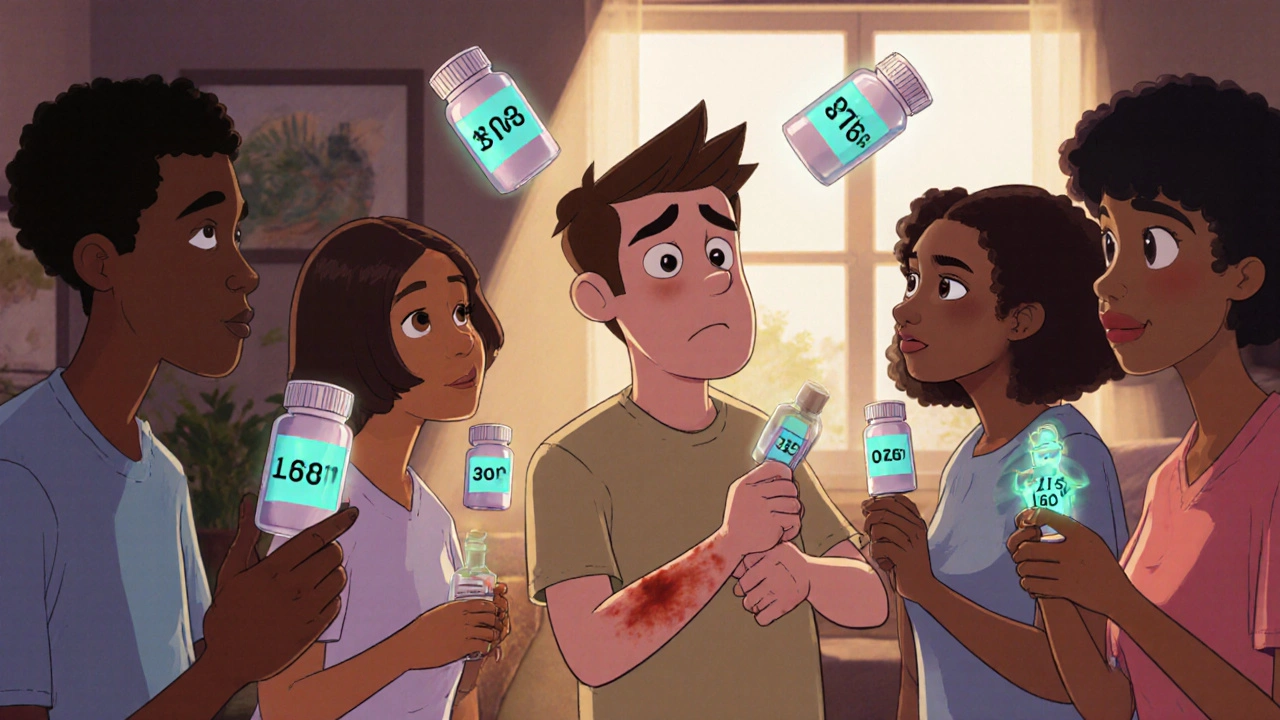
When to Report Rare Side Effects from Generic Medications
Learn when and how to report rare side effects from generic medications. Understand what counts as serious, unexpected, or life-threatening, and how your report helps protect others.