Glucocorticoid Withdrawal: What Happens When You Stop Steroids and How to Do It Safely
When you take glucocorticoid, a synthetic version of cortisol, the body’s main stress hormone. Also known as corticosteroid, it’s prescribed for inflammation, autoimmune diseases, and severe allergies. But when you’ve been on it for weeks or months, your adrenal glands slow down—they stop making natural cortisol because the drug is doing the job. Stopping suddenly? That’s when trouble starts.
That’s glucocorticoid withdrawal, the body’s reaction when it’s suddenly deprived of the hormone it’s been relying on. It’s not an allergy or a side effect—it’s a physiological crash. Your adrenal glands need time to wake up again. Without a proper taper, you can get fatigue, nausea, joint pain, low blood pressure, and even life-threatening adrenal insufficiency. This isn’t rare. People on long-term prednisone, dexamethasone, or hydrocortisone are at risk—even if they feel fine. Doctors sometimes forget to talk about this, but the risk is real.
It’s not just about stopping the pill. Your body needs a corticosteroid taper, a slow, controlled reduction over days or weeks. The speed depends on how long you’ve been on it, the dose, and your health. Someone on high-dose steroids for a year might need months to come off. Someone on a short course might need just a few days. Skipping steps or cutting too fast can trigger a crisis. You might think you’re fine because the swelling is gone or the rash cleared, but your adrenal glands are still asleep. Symptoms like dizziness when standing, muscle weakness, or unexplained weight loss? Those aren’t just "feeling off." They’re red flags.
Glucocorticoid withdrawal is often mistaken for the original illness coming back. That’s why people restart steroids unnecessarily. But if your doctor suspects withdrawal, they’ll check your cortisol levels and may do a stimulation test. The fix isn’t more drugs—it’s patience and a smart plan. Most people recover fully if they taper correctly.
You’ll find real stories here—people who got sick after stopping prednisone too fast, others who made it through with the right schedule, and what to ask your doctor before you quit. We cover how to track symptoms, when to call for help, and why some people need longer tapers than others. This isn’t theoretical. These are the situations that land people in the ER. Don’t guess. Don’t rush. Learn what actually works.
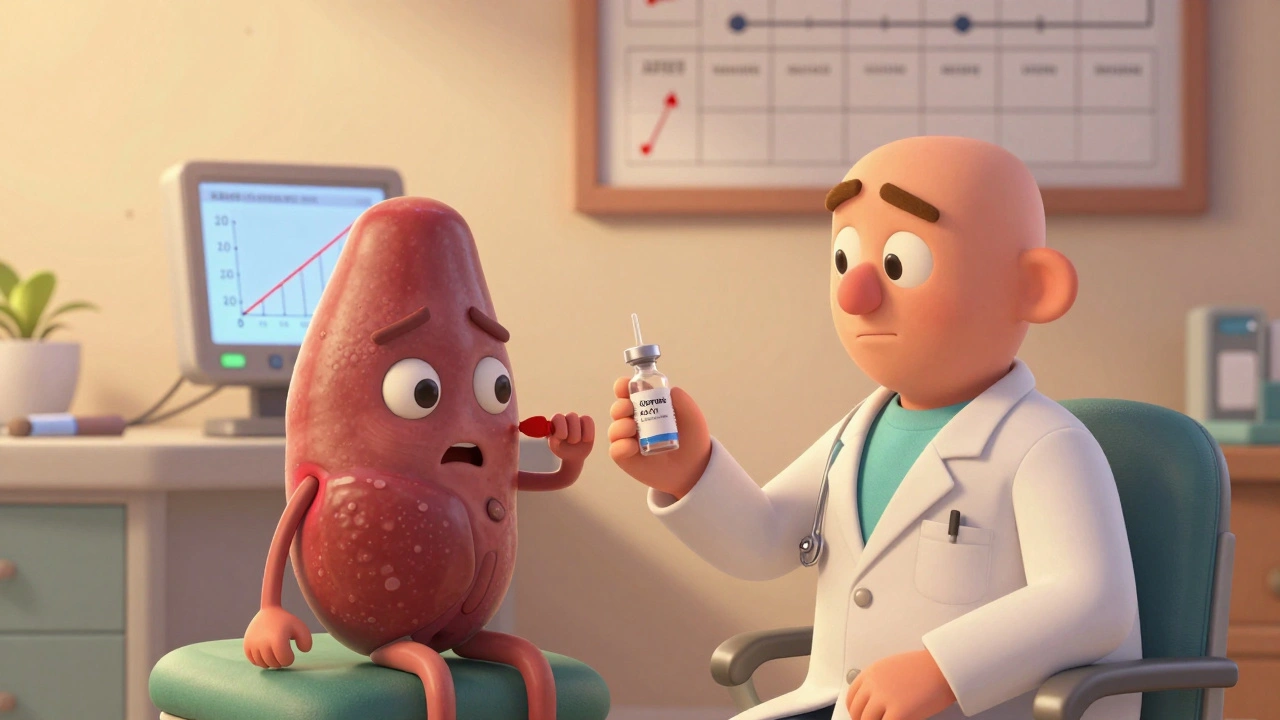
Long-Term Steroid Tapers: How ACTH Testing Guides Safe Adrenal Recovery
Long-term steroid use suppresses natural cortisol production. ACTH stimulation testing is the gold standard to safely assess adrenal recovery and prevent life-threatening adrenal crisis during tapering.