How Antibiotics Work
When you take an antibiotic, a type of medicine designed to kill or stop the growth of bacteria. Also known as antibacterial agents, they’re one of the most common drugs prescribed — but most people don’t know how they actually work. Antibiotics don’t cure colds or the flu. Those are caused by viruses. Antibiotics target bacterial infection, a harmful invasion of the body by bacteria that can cause pneumonia, strep throat, urinary tract infections, and more. They work by either killing bacteria directly or stopping them from multiplying, giving your immune system a chance to clean up the rest.
There are two main ways antibiotics do this. Some, like penicillin, attack the bacterial cell wall — the outer shell that holds the cell together. Without it, the bacteria burst. Others, like tetracycline, sneak inside the bacteria and block the machinery that makes proteins they need to survive. Still others interfere with DNA replication or disrupt metabolic pathways. Each class has its own target, which is why doctors choose specific antibiotics for specific infections. But here’s the catch: antibiotics can’t tell the difference between good and bad bacteria. That’s why diarrhea, yeast infections, and upset stomachs are common side effects.
antibiotic resistance, when bacteria evolve to survive exposure to antibiotics. Also known as drug resistance, it’s not a future threat — it’s happening right now. Every time you take an antibiotic unnecessarily, you’re helping resistant strains survive and spread. The World Health Organization calls it one of the top global health threats. And it’s not just about overuse — it’s also about incomplete courses. If you stop taking your pills when you feel better, the toughest bacteria left behind multiply and pass on their resistance genes. That’s why doctors now push for shorter courses and stricter prescribing. You won’t find antibiotics in the medicine cabinet for every sniffle, and that’s a good thing. But when they’re needed, they save lives. Understanding how they work helps you use them right — and protect them for the next time you really need them.
The posts below cover real situations where antibiotics are used, misused, or misunderstood. You’ll find stories about side effects, interactions with other drugs, how generics compare, and why some infections don’t respond like they used to. Whether you’re taking one now, had one recently, or just want to know why your doctor said "no" to a prescription, this collection gives you the facts — no hype, no filler.
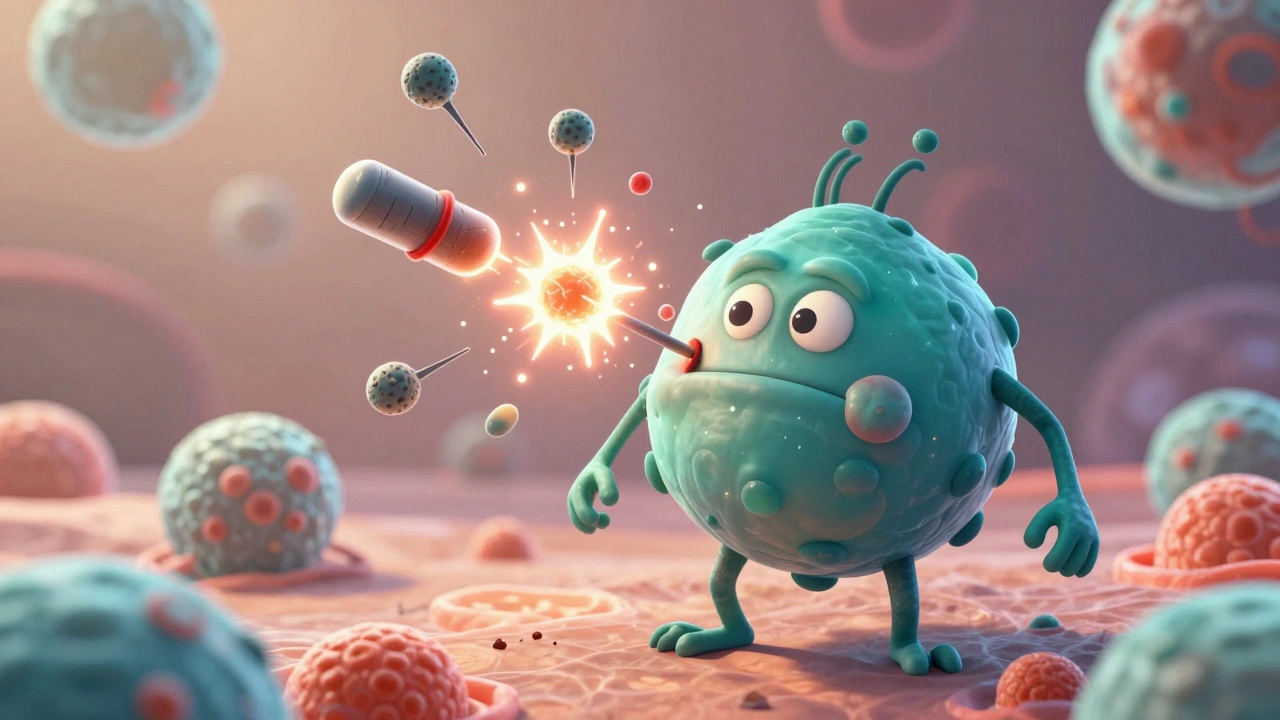
Antibiotics for Bacterial Infections: Classes and How They Work
Antibiotics fight bacterial infections by targeting specific parts of bacteria-cell walls, protein factories, or DNA. Learn how the main classes work, why resistance is growing, and what you can do to help.