Medication List: Essential Drugs, Safety Tips, and What You Need to Know
When you’re on a medication list, a personalized record of all drugs you take, including prescriptions, supplements, and over-the-counter pills. Also known as drug regimen, it’s not just a note in your phone—it’s your daily health blueprint. Too many people treat it like a formality, but a missing dose, a hidden interaction, or an expired pill can turn routine care into a crisis.
Your medication list, a personalized record of all drugs you take, including prescriptions, supplements, and over-the-counter pills. Also known as drug regimen, it’s not just a note in your phone—it’s your daily health blueprint. Too many people treat it like a formality, but a missing dose, a hidden interaction, or an expired pill can turn routine care into a crisis.
Real problems show up when side effects, unintended physical reactions to a drug, often mistaken for allergies or normal aging. Also known as adverse reactions, they get ignored because they’re "just dizziness" or "a little nausea." But when you’re on multiple drugs—like warfarin, PPIs, or duloxetine—those small symptoms can stack up. Comorbidities like kidney disease or diabetes make it worse. And if you’re taking supplements like SAMe or green tea extract, you might not even realize they’re interfering with your prescription. Half of all people skip doses, not because they’re careless, but because the list is too long, too confusing, or too expensive.
Then there’s the generic drugs, medications that copy brand-name drugs after patents expire, often at a fraction of the cost. Also known as authorized generics, they aren’t all the same. Some are made by the same factory as the brand. Others come from overseas labs with looser oversight. You might think a cheap Depakote online is a win—until you have a seizure because the active ingredient wasn’t stable. And if your insurance denies your brand-name drug, you need to know how to appeal—because not every generic works the same for your body.
And let’s not forget medication adherence, how consistently you take your drugs exactly as prescribed. Also known as compliance, it isn’t about willpower. It’s about complexity. If you’re juggling five pills at different times, with food restrictions, refill delays, and unclear labels, you’re set up to fail. That’s why reading the tiny print on your pill bottle matters. Why tracking vitamin K with warfarin isn’t optional. Why caregivers need to be involved. Why you should never flush old meds—use a take-back event instead.
What you’ll find below isn’t theory. It’s what real people dealing with real meds need to know: how to spot a dangerous interaction between omeprazole and clopidogrel, why your antihistamine might be causing hives instead of helping, how to appeal a denied prescription, and when it’s safer to stop a PPI than keep taking it. These aren’t abstract ideas—they’re steps you can take tomorrow to feel better and stay out of the hospital.
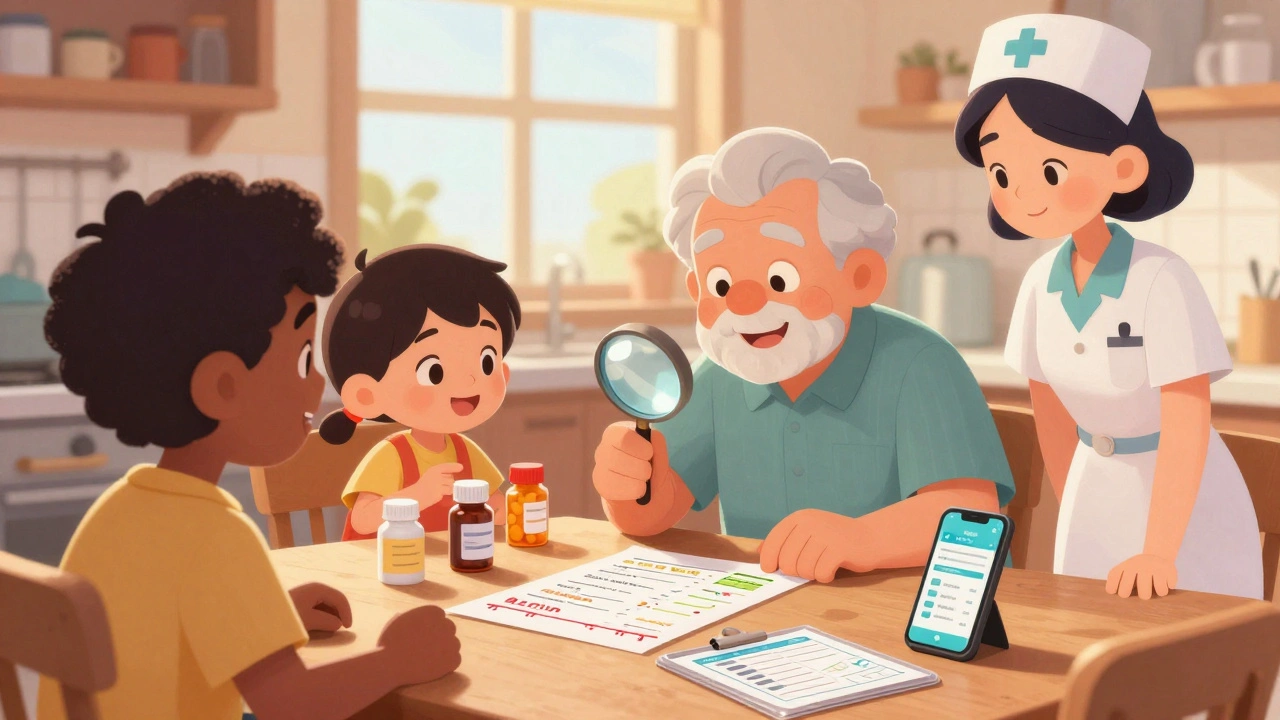
How to Keep a Complete Medication List for Safe Care Coordination
Keep a complete, up-to-date medication list to prevent dangerous errors, improve care coordination, and speak up for your health. Learn what to include, how to use it, and why it saves lives.