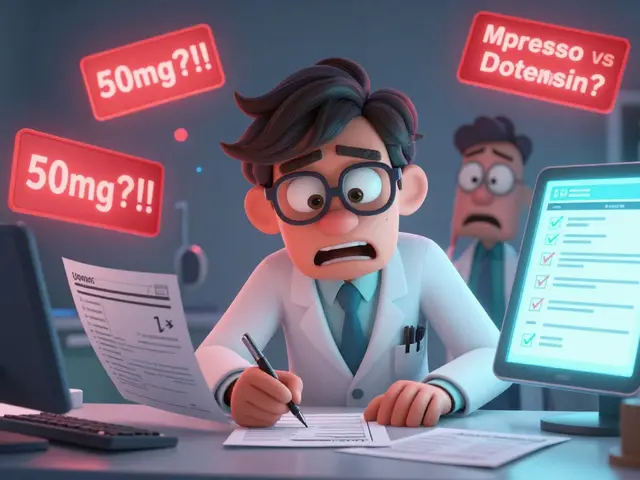
When you’re seeing multiple doctors, filling prescriptions at different pharmacies, or switching between hospitals and home care, your medications can quickly become a mess. One pill you forgot to mention. A supplement you didn’t think mattered. A dose change your last doctor never told your new one. These aren’t just small oversights-they’re dangerous. Every year in the U.S., over 1.5 million people are harmed by medication errors, and nearly half of those happen when care shifts from one provider to another. The fix isn’t complicated: keep a complete, current medication list-and use it every time you see a healthcare professional.
What a Complete Medication List Actually Includes
A medication list isn’t just a scrap of paper with a few drug names. It’s a living document that tells your care team exactly what you’re taking, why, and how. If it’s missing key details, it’s not just useless-it’s risky.Here’s what every line on your list needs:
- Medication name-both generic and brand (e.g., lisinopril or Zestril)
- Dosage-exact strength and form (e.g., 10 mg tablet, 5 mg/mL solution)
- How to take it-time of day, with or without food, how often (e.g., "once daily with breakfast")
- Why you’re taking it-the condition it treats (e.g., "for high blood pressure")
- When you started-month and year
- Who prescribed it-doctor’s name or clinic
- Refill status-how many left, when due
Don’t forget the extras: over-the-counter pills like ibuprofen or antacids, vitamins, herbal teas, and supplements like fish oil or turmeric. Even topical creams, eye drops, and inhalers belong on the list. If you use something more than once a week, it counts.
And don’t skip allergies. Write them out clearly: "Amoxicillin-rash and swelling," not just "penicillin allergy." Vague terms like "allergic to antibiotics" don’t help anyone.
Why Your List Matters More Than You Think
You might think your doctor can look up your meds in their system. But here’s the truth: most electronic health records don’t talk to each other. Your cardiologist might not see what your primary care doctor prescribed last month. Your ER doctor won’t know you started a new sleep aid unless you tell them.Research from Harvard Medical School tracked over 8,400 patients and found those who kept accurate, updated medication lists reduced their risk of serious adverse drug events by 43%. That’s not a small number. It means fewer hospital visits, fewer falls, fewer confused reactions from mixing pills you didn’t realize you were taking.
And it’s not just about emergencies. A 2023 study in the Annals of Family Medicine found that during routine visits, doctors cut off medication discussions after just 30 seconds 68% of the time. If you don’t bring your list, your meds won’t get reviewed at all.
Pharmacies, too, rely on your list. If you switch pharmacies or refill at a different location, your new pharmacist needs to know what you’re already on to catch dangerous interactions. One patient in Bristol recently ended up in the hospital after a new pharmacy filled a blood thinner without knowing she was also taking a common herbal supplement that thins the blood further. Her list was outdated. That could’ve been avoided.
How to Build Your List-Step by Step
You don’t need to be a nurse to make this work. Here’s how to do it right:- Collect everything-Go through your medicine cabinet, purse, nightstand, and even the fridge. Pull out every bottle, box, and blister pack. Include anything you’ve taken in the last 30 days, even if you stopped it.
- Write it down-Use a clean sheet of paper or a digital note. Don’t rely on memory. If you’re unsure about a pill, take a photo of the label. You can match it later.
- Fill in the details-For each item, answer the six questions above: name, dose, instructions, reason, start date, prescriber, refill status.
- Include supplements and OTCs-This is where most people fail. Don’t assume your doctor knows you take magnesium or melatonin. They won’t ask unless you tell them.
- Print two copies-One for your wallet, one for your home file. If you use a phone app, back it up to email or cloud storage.
Set aside 20 to 30 minutes once a month to review and update. If you start or stop a medication, update the list immediately-don’t wait for your next appointment.

Paper vs. Digital: Which Works Better?
There’s no one-size-fits-all answer. The best format is the one you’ll actually use.According to the National Council on Aging, 68% of patients still use paper lists. They’re simple, don’t need batteries, and you can hand them to a nurse in the ER without fumbling with a phone. The FDA recommends using 12-point font or larger for readability, and keeping the list in a clear plastic sleeve in your wallet.
Digital tools are growing fast. GoodRx, Medisafe, and MyTherapy now have over 150 million combined users, and 42% of GoodRx users actively track their meds through the app. These apps can send refill reminders, flag interactions, and even share your list with providers via secure portals.
But here’s the catch: 28% of adults over 75 can’t use digital tools without help. If you or a loved one struggles with technology, stick with paper. Don’t let the fancy app become the reason your list goes stale.
Best practice? Use both. Keep a paper copy in your wallet, and sync it to a digital backup. That way, if you lose your wallet, your list still exists.
How to Use Your List at Appointments
Don’t just bring your list-use it.At your next visit, hand it to the nurse or doctor before they start asking questions. Say: "Here’s my current list. I’ve updated it this week. Can we go through it together?"
Ask:
- "Is anything here unnecessary?"
- "Are any of these interacting with each other?"
- "Can we simplify this? I’m taking 12 pills a day-can we cut it down?"
Some practices now offer "annual synchronized prescription renewals"-a single appointment where all your chronic meds (like blood pressure or diabetes pills) are reviewed and refilled at once. This cuts down on repeat calls, saves time, and ensures nothing slips through the cracks.
At the end of the visit, ask for a copy of the updated list. If they don’t give you one, ask them to print it or email it to you. Keep it.
What to Do When Things Change
Medication changes happen all the time. A new diagnosis. A side effect. A hospital discharge. Each time, your list must change too.Here’s a simple rule: update your list within 24 hours of any change. That includes:
- Starting a new medication
- Stopping one-even if you think you won’t need it again
- Changing the dose
- Switching brands or generics
- Getting a new prescription from a specialist
After a hospital stay, your list is especially critical. One study found that 73% of patient-reported medication lists had at least one major error after discharge. That’s not because patients are careless-it’s because the system fails them. Hospitals often discharge patients with new meds but don’t update their primary care records. You’re the only one who can bridge that gap.

Common Mistakes (And How to Avoid Them)
Here’s what goes wrong-and how to fix it:- "I don’t take anything serious."-Even aspirin or vitamin D can interact. List everything.
- "I forgot about the cream."-Topical meds matter. Include them.
- "I only take it when I need it."-PRN (as-needed) meds like painkillers or anxiety pills need their own line: "Ibuprofen 400 mg, as needed for pain, max 3/day."
- "My doctor knows my history."-They don’t. Not really. Your list is your safety net.
- "I’ll update it later."-Later never comes. Update it now.
For complex regimens (five or more meds), color-code by purpose: blue for heart meds, green for pain, red for allergies. A 2023 study found this simple trick improved adherence by 27%.
What’s Changing in 2025
The rules are shifting. Thanks to the 21st Century Cures Act, all certified electronic health records must now give patients immediate access to their full medication list. By 2027, every major health system in the U.S. will be required to give you a single, consolidated list that pulls from every provider you’ve seen.Right now, only 42% of hospitals connect those records to patient portals. But that’s changing. If you have access to your EHR portal (like MyChart or Epic), log in and check your medication list there. If it’s wrong, report it. You have the right to fix it.
And soon, blockchain-based medication records may become common-tamper-proof, patient-controlled, and shared securely across systems. But until then, your paper or digital list is still your most powerful tool.
Final Thought: Your List Is Your Voice
You’re not just a patient. You’re the manager of your own care. No doctor, nurse, or pharmacist knows your body like you do. But they can’t help you if they don’t know what you’re taking.Keeping a complete medication list isn’t about being organized. It’s about survival. It’s about making sure the next time you’re in pain, confused, or in the ER, someone has the full picture. It’s the single most effective thing you can do to prevent a medication error.
Start today. Grab a pen. Open your medicine cabinet. Write it all down. And never stop updating it.
What if I forget to bring my medication list to an appointment?
If you forget your list, ask the provider to check your pharmacy records. Most pharmacies keep digital logs of all your filled prescriptions. You can also call your pharmacy ahead of time and ask them to fax or email your current list to the clinic. But don’t rely on memory-studies show patients misremember up to 40% of their meds, especially over-the-counter drugs and supplements.
Do I need to list vitamins and supplements?
Yes. Supplements like fish oil, St. John’s wort, and even high-dose vitamin C can interact with prescription drugs. For example, St. John’s wort can reduce the effectiveness of blood thinners and birth control pills. Many doctors don’t ask about supplements unless you mention them. Your list is your chance to speak up.
Can my pharmacist help me update my list?
Absolutely. Pharmacists are trained in medication safety and have access to your full prescription history. Ask them to print you a current list during your next refill. Many pharmacies offer free medication reviews-take advantage of them. They can catch duplicates, interactions, or expired meds you might have missed.
How often should I update my medication list?
Update it every time you start, stop, or change a medication-no exceptions. Even if you think it’s temporary. For routine checks, review your list every 30 days. Set a reminder on your phone or calendar. If you take five or more medications, do a full review with your doctor every six months.
What if I can’t read or write well?
You don’t have to write it yourself. Ask a family member, friend, or community health worker to help. Take photos of each pill bottle with your phone. You can show the photos to your doctor and ask them to write down the details. Many clinics now offer help with medication lists during visits-just ask. Your safety matters more than your ability to write neatly.
Are digital apps safe to use for medication lists?
Yes, if you use reputable apps like Medisafe, MyTherapy, or GoodRx. These apps are HIPAA-compliant and encrypt your data. Always enable cloud backup so your list isn’t lost if your phone breaks. Avoid random apps from unknown developers. Stick to ones recommended by pharmacies or health systems. And always keep a paper backup-apps can crash, phones can die, and emergencies don’t wait for Wi-Fi.
Why do hospitals ask for my medication list when I’m admitted?
It’s called medication reconciliation-and it’s required by law. Hospitals must compare your list to what’s in their system to avoid giving you a drug you’re allergic to, doubling up on the same medicine, or stopping something critical like your heart medication. If your list is incomplete, they may delay your treatment or make dangerous mistakes. Your list helps them keep you safe.
Can I get my medication list from my doctor’s office?
Yes, under the 21st Century Cures Act, you have the legal right to access your full medication list from any electronic health record system. If your doctor’s office doesn’t give it to you, ask for a printed copy or an email copy. If they refuse, file a complaint with the Office of the National Coordinator for Health IT. Your medication record belongs to you.