MedWatch Reporting: What You Need to Know About Drug Safety Alerts
When a medication causes unexpected harm, MedWatch reporting, the FDA’s system for collecting reports of serious side effects from drugs, medical devices, and other products. Also known as FDA MedWatch, it’s the main way patients and doctors alert regulators when something goes wrong. This isn’t just paperwork—it’s how lives get saved. Every report, no matter how small it seems, adds to a bigger picture that can lead to warnings, recalls, or even drug withdrawals.
MedWatch reporting isn’t just for doctors. If you’ve had a bad reaction to a pill, patch, or injection—like sudden dizziness, rash, liver trouble, or heart rhythm changes—you can file a report yourself. You don’t need a diagnosis. You just need to know what you took and what happened. The FDA uses these real-world stories to spot patterns that clinical trials miss. For example, a rare liver injury might show up in only one in 10,000 patients during testing. But if 50 people report it after the drug hits the market, the FDA takes notice. That’s how adverse drug reactions, harmful and unintended effects from medications get tracked. And it’s why drug safety, the ongoing monitoring of how medications affect people over time isn’t just a lab job—it’s a community effort.
Some drugs are fine for most people but dangerous for others. That’s where MedWatch reporting shines. Take a painkiller that causes kidney damage in older adults with diabetes, or an antidepressant that triggers seizures in people with epilepsy. These aren’t always listed on the label. But if enough people report them, the FDA updates the warnings. And that’s why your report matters. It’s not about blaming a company. It’s about making sure the next person doesn’t get hurt. The posts below cover real cases where side effects turned into safety alerts—like how PPIs were linked to kidney problems, how SAMe can trigger serotonin syndrome, or why amiodarone can scar the lungs. These aren’t hypotheticals. They’re stories from real people who reported their experiences. And now, you can too.
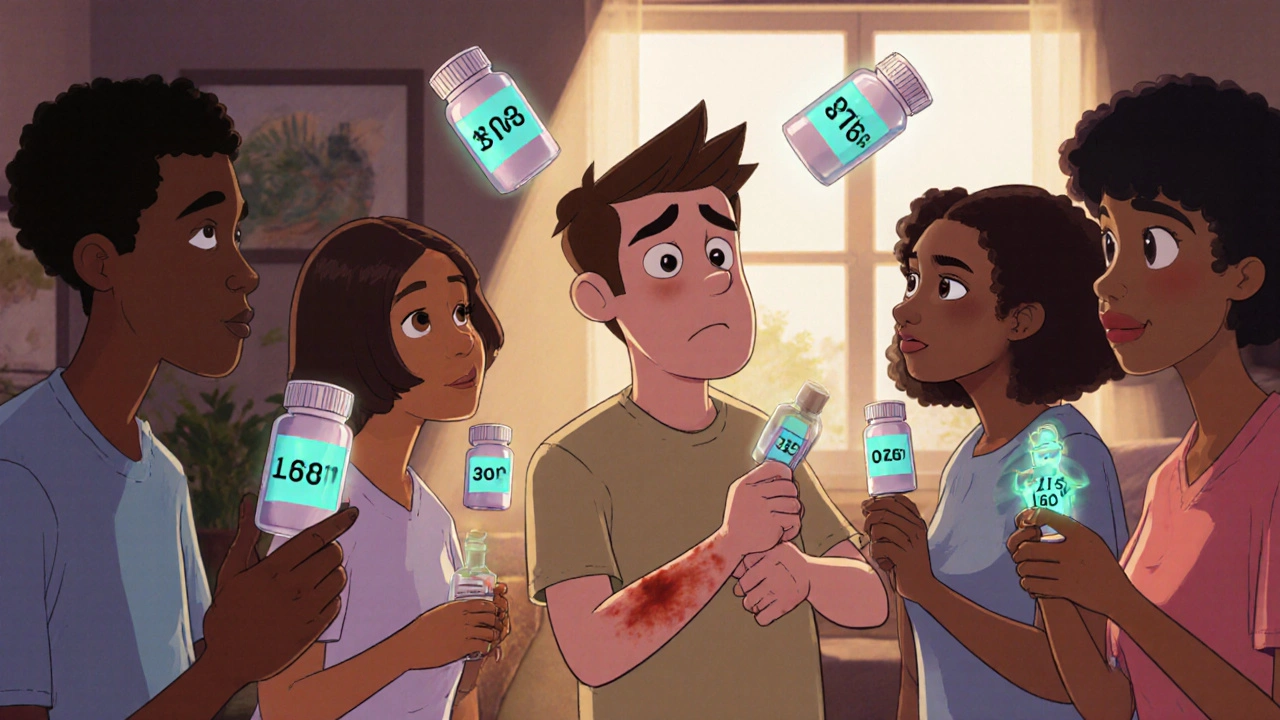
When to Report Rare Side Effects from Generic Medications
Learn when and how to report rare side effects from generic medications. Understand what counts as serious, unexpected, or life-threatening, and how your report helps protect others.