Mental Health Expenses: What You Really Pay for Medication, Therapy, and Care
When you’re managing a mental health condition, the real cost isn’t just the price of the pill—it’s the mental health expenses, the total financial burden of getting and staying well, including medications, therapy, lost income, and insurance battles. Many people don’t realize how much these costs stack up until they’re stuck choosing between rent and their antidepressant. It’s not laziness or lack of willpower—it’s a system that makes care expensive, confusing, and sometimes impossible to afford.
Take insurance denial appeal, the process of fighting back when your insurer refuses to cover a prescribed medication. It’s a common hurdle for people on brand-name drugs like SSRIs or antipsychotics, especially when a cheaper generic is pushed instead—even if it doesn’t work for them. That appeal isn’t just paperwork; it’s time off work, stress, and delays that can make symptoms worse. And it’s not rare. Half of all patients skip or forget meds not because they don’t care, but because they can’t afford them. That’s why medication adherence, how consistently someone takes their prescribed drugs. is so deeply tied to cost. If your pill costs $200 a month and your paycheck barely covers groceries, you’re not being noncompliant—you’re being realistic.
Then there’s therapy. Even with insurance, copays add up. A single session can cost $100–$200. If you need weekly visits, that’s $400–$800 a month. And what if your therapist isn’t in-network? You’re paying out-of-pocket, and insurance won’t help. Some people try online apps or group sessions to cut costs, but those aren’t always enough. And when you combine mental health meds with other conditions—like diabetes or heart disease—the risk of dangerous drug interactions goes up. That’s where mental health treatment, the full scope of care including meds, therapy, lifestyle changes, and support systems. becomes even more complex—and more expensive.
You might think generics are the fix, but not all generics are the same. Authorized generics are made by the brand company and work just like the original. Traditional generics? Sometimes they’re different enough to cause side effects or make your symptoms flare. And if you’re buying cheap meds online to save money, you’re risking fake pills, wrong dosages, or no active ingredient at all. That’s not saving money—it’s gambling with your health.
What you’ll find below isn’t just a list of articles. It’s a practical toolkit. You’ll see real steps to fight insurance denials, how to talk to your doctor about side effects without being dismissed, why some meds fail because of other conditions you have, and how to spot when a supplement like SAMe might be doing more harm than good. These aren’t theoretical tips—they’re from people who’ve been there, figured it out, and shared what actually worked. No fluff. No jargon. Just what you need to take back control of your care—and your budget.
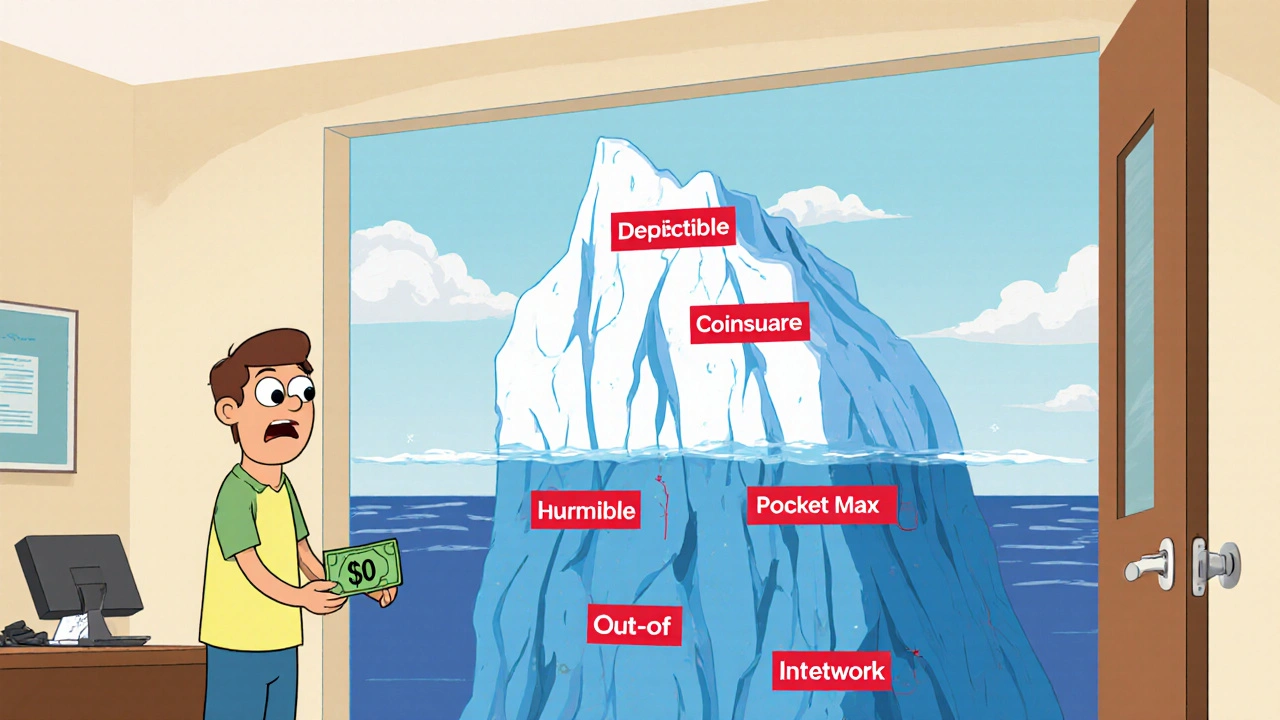
How to Calculate Total Cost of Therapy Beyond the Copay
Therapy costs go far beyond your copay. Learn how deductibles, coinsurance, in-network vs. out-of-network providers, and session frequency affect your total out-of-pocket expenses for mental health care.