Orphan Drug Exclusivity: What It Means for Patients and Prices
When a drug gets orphan drug exclusivity, a 7-year period of market protection granted by the FDA to drugs treating rare diseases affecting fewer than 200,000 people in the U.S., it means no other company can sell a generic version—even if the patent expires. This isn’t about innovation alone; it’s a legal shield designed to encourage companies to develop treatments for conditions that otherwise wouldn’t be profitable. But for patients, this often translates to prices that can hit $300,000 a year or more for a single drug.
Related to this are FDA orphan designation, the official status a drug receives before approval, which unlocks tax credits, research grants, and fee waivers for manufacturers.. This designation is the first step toward exclusivity, and it’s granted based on disease prevalence—not how effective the drug is. That’s why some drugs with minimal clinical benefit still qualify. Meanwhile, generic alternatives, lower-cost versions of brand-name drugs that become available after exclusivity ends or if the drug doesn’t qualify. are often nonexistent for years, leaving patients with no affordable options. Even when generics do arrive, they may not be covered by insurance because the original drug still dominates the market.
The system was meant to fix a broken incentive structure: why would a company invest millions to treat a disease that affects only a few thousand people? But today, some companies exploit the rules by repurposing old drugs for rare uses, securing exclusivity without significant new research. Others use the exclusivity period to raise prices dramatically, knowing patients have no alternatives. This isn’t just a policy issue—it’s a daily struggle for families managing conditions like Duchenne muscular dystrophy, spinal muscular atrophy, or certain rare cancers.
What you’ll find in the articles below are real stories and practical insights into how this system affects access, cost, and patient outcomes. You’ll see how insurance denials for brand-name drugs happen, how patients appeal them, and how comorbidities complicate treatment even further. You’ll also learn how medication labels, side effects, and drug interactions become more critical when you’re on a high-cost, high-stakes therapy with no backup. This isn’t theoretical—it’s the reality for tens of thousands of Canadians and Americans relying on drugs protected by orphan exclusivity, and the system needs to be understood before you can navigate it.
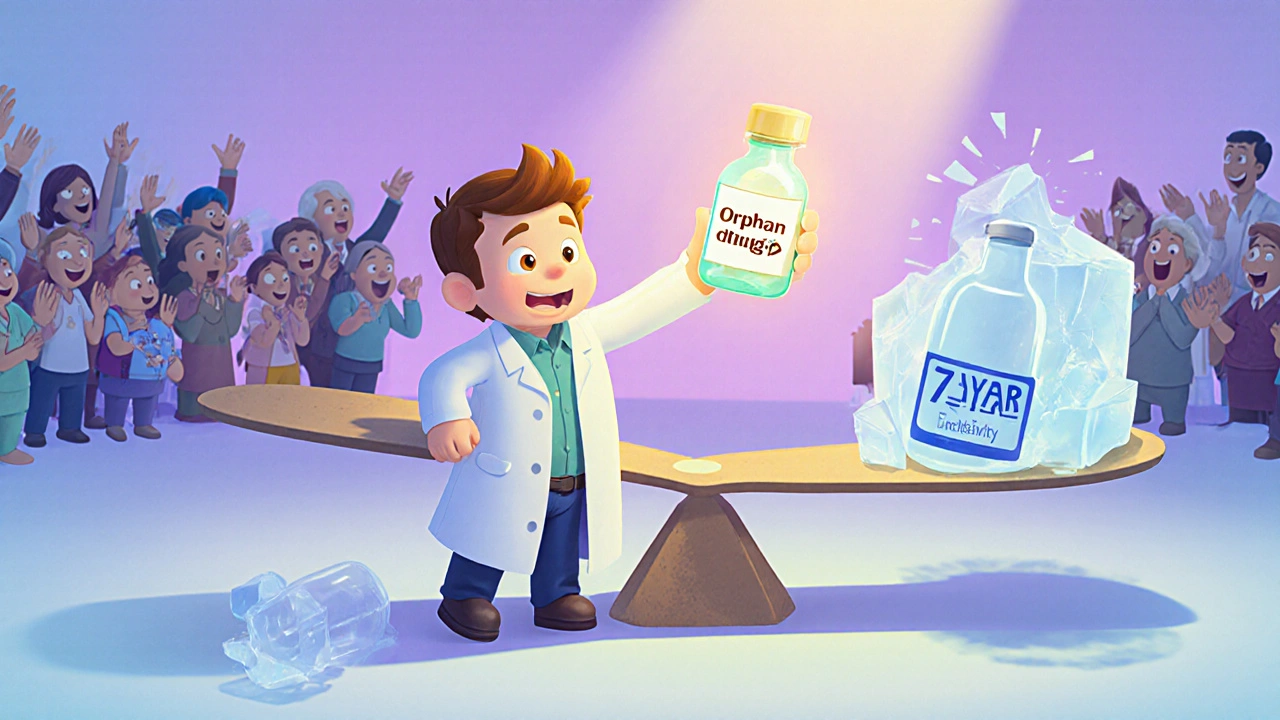
Orphan Drug Exclusivity: How Rare-Disease Medicines Get Market Protection
Orphan drug exclusivity gives pharmaceutical companies seven years of market protection for rare-disease treatments, encouraging development where profits would otherwise be impossible. Here's how it works, who benefits, and why it's changing.