Rare Adverse Events: What You Need to Know About Uncommon Drug Reactions
When a medication causes a reaction that happens in fewer than 1 in 1,000 people, it’s called a rare adverse event, an uncommon and often unpredictable reaction to a drug that isn’t listed in standard warning labels. Also known as uncommon drug reactions, these events can range from mild rashes to life-threatening conditions like Stevens-Johnson syndrome or drug-induced liver failure. They’re not errors—they’re biological surprises, and they happen even when you take your pills exactly as prescribed. Most people never experience them, but when they do, it’s often because of hidden factors: your genes, other meds you’re taking, or a chronic condition you didn’t realize affects how your body handles drugs.
Comorbidities, existing health conditions like kidney disease, liver problems, or autoimmune disorders can turn a safe drug into a risky one. For example, someone with liver disease might process a common painkiller differently, leading to a rare but dangerous buildup. Drug interactions, when two or more medications interfere with each other’s metabolism are another major trigger. Omeprazole blocking clopidogrel’s activation, or green tea extract messing with blood pressure meds—these aren’t myths. They’re documented cases that show how complex your body’s chemistry really is. Even something as simple as forgetting a dose or taking a supplement like SAMe with antidepressants can push you into uncharted territory.
What makes rare adverse events so tricky is that they don’t show up in clinical trials. Those studies involve thousands, not millions, of people. By the time a reaction like amiodarone lung toxicity or didanosine-induced pancreatitis gets noticed, it’s already been taken by hundreds of thousands. That’s why knowing your own body matters more than ever. Tracking symptoms—like sudden fatigue, unexplained bruising, or a new rash—isn’t just helpful, it’s critical. And if your doctor dismisses your concerns because "it’s rare," push back. Rare doesn’t mean impossible. It just means you need to be your own best advocate.
You’ll find real stories and clear guidance below on how to spot warning signs, when to question a prescription, and how to avoid dangerous combinations. Whether you’re on a heart drug, an antidepressant, or just a daily pill for acid reflux, the information here isn’t about scaring you—it’s about giving you the tools to stay safe when the odds are against you.
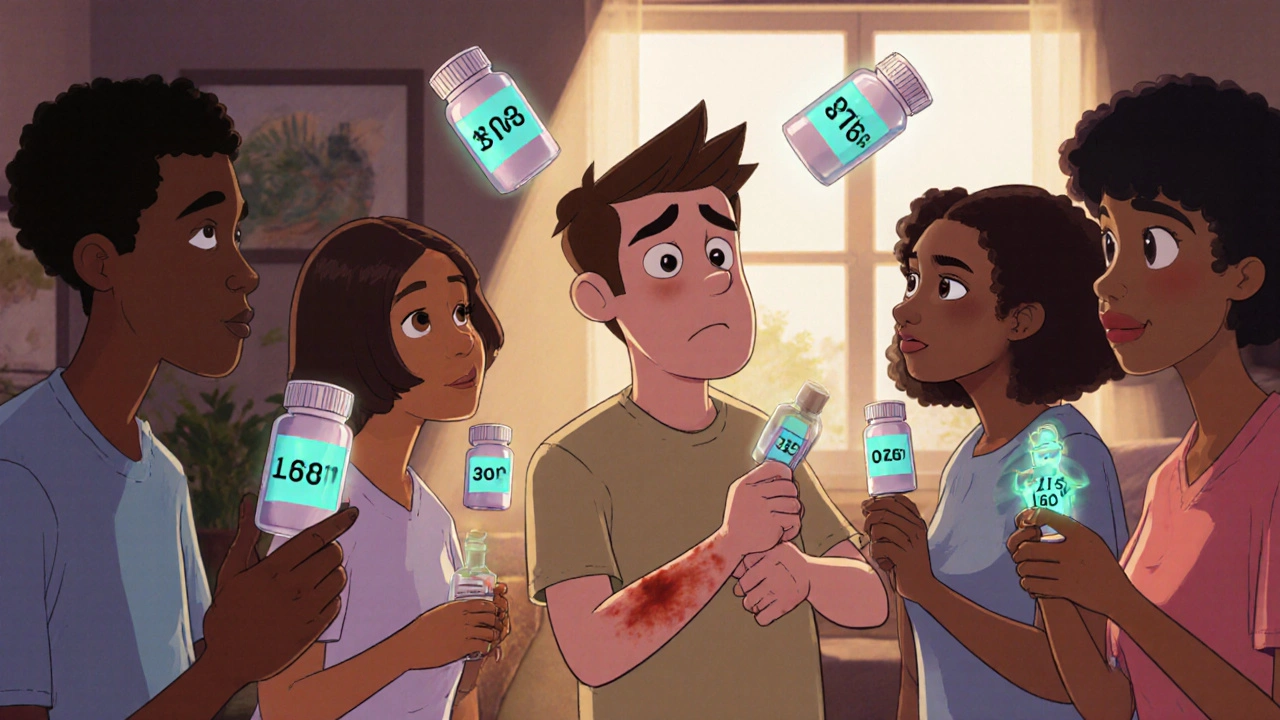
When to Report Rare Side Effects from Generic Medications
Learn when and how to report rare side effects from generic medications. Understand what counts as serious, unexpected, or life-threatening, and how your report helps protect others.