Take-Back Events: Safe Disposal of Unused Medications
When you have leftover pills you no longer need, take-back events, scheduled programs where communities collect unused medications for safe disposal. Also known as drug take-back, these events are the only truly safe way to get rid of old prescriptions without polluting water, harming wildlife, or putting kids and pets at risk. Flushing meds down the toilet or tossing them in the trash might seem easy, but it’s dangerous. Pharmaceuticals in landfills can leak into groundwater. In water systems, they’ve been found in fish, frogs, and even drinking water supplies. The EPA and CDC both warn against this. Take-back events fix that by collecting meds and destroying them in high-temperature incinerators designed for hazardous waste.
These events aren’t just about throwing things away—they’re part of a bigger system called medication disposal, the process of safely removing unused or expired drugs from homes and pharmacies. They’re often run by pharmacies, police departments, or local health agencies, especially during National Prescription Drug Take-Back Day in April and October. But many places offer year-round drop boxes too—think of them like recycling bins, but for pills. You don’t need a receipt. You don’t need to remove labels. Just bring the whole bottle or box. Some sites even accept controlled substances like opioids, which most trash bins legally can’t touch.
Why does this matter to you? Because prescription waste, unused medications that end up in homes, landfills, or waterways. is a silent public health issue. The CDC says nearly 70% of people who misuse prescription painkillers get them from friends or family—often from medicine cabinets. Taking part in a take-back event cuts that risk. It also prevents accidental poisonings in kids and older adults who mix up bottles. And if you’re on a tight budget, you might not realize that unused meds are a waste of money too. If you bought a 30-day supply and only used 10 days, that’s 20 days of cash down the drain—literally and figuratively.
Take-back events also help reduce the environmental burden of safe drug disposal, the responsible handling of pharmaceuticals to prevent harm to people and ecosystems. Think of it like recycling plastic or batteries. You wouldn’t throw a dead battery in the trash because you know it leaks toxins. Medications are the same. Even over-the-counter drugs like ibuprofen or antihistamines can disrupt aquatic life when they enter rivers and lakes. Take-back programs ensure these compounds are destroyed properly, not diluted and passed on.
You’ll find take-back events in nearly every Canadian province. Look for signs at your local pharmacy, check your city’s public works website, or call your nearest police station—they often host them. Some mail-back programs exist too, but drop-off events are faster, free, and more reliable. And if you’re managing multiple medications—like for diabetes, high blood pressure, or depression—you know how quickly cabinets fill up. A few minutes at a take-back event can clear clutter and keep your home safer.
Below, you’ll find real stories and guides on how to handle old meds, why some drugs are riskier than others, and how to keep your medicine cabinet organized so you don’t end up with piles of unused pills in the first place. Whether you’re caring for an aging parent, managing chronic conditions, or just trying to do the right thing, these posts give you the facts—not the fluff.
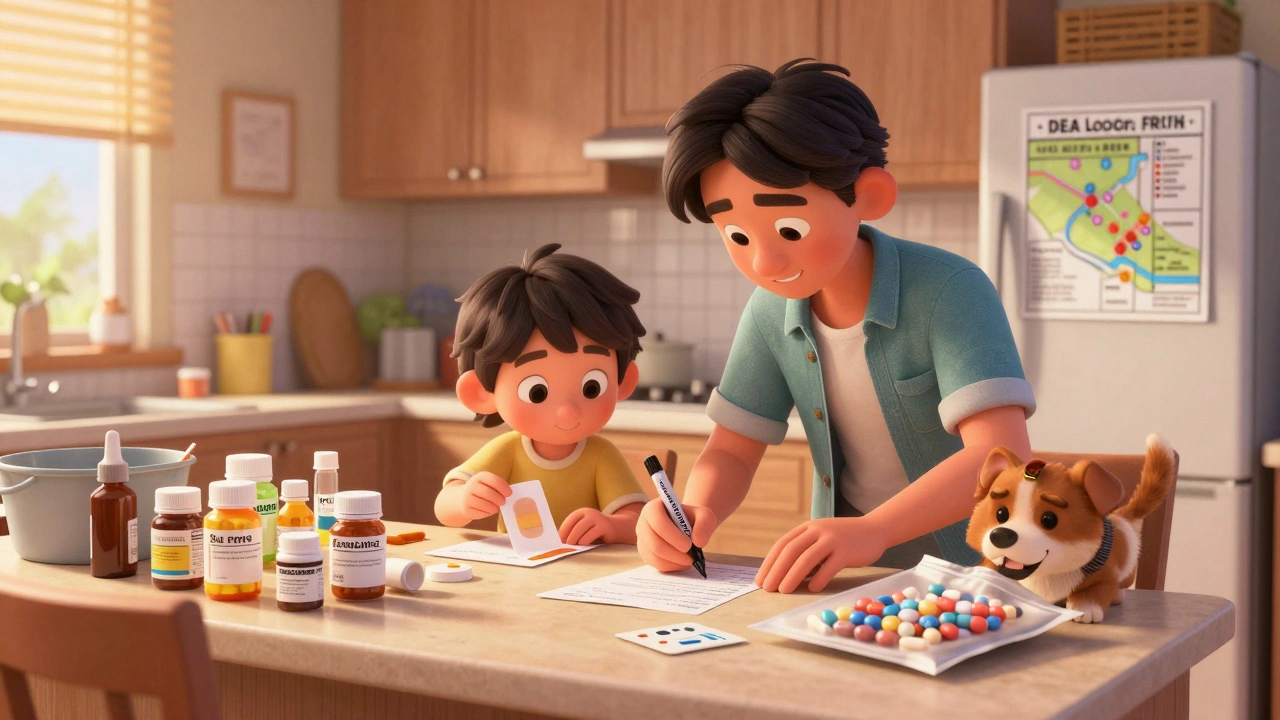
How to Prepare Unused Medications for Take-Back Events: Simple Steps to Stay Safe and Legal
Learn how to safely prepare unused medications for take-back events. Follow simple steps to protect privacy, prevent misuse, and stop pharmaceutical pollution. No flushing. No trash. Just safe disposal.