Therapy Cost: What It Really Takes to Afford Treatment in Canada
When you hear therapy cost, the total financial burden of getting medical treatment, including drugs, monitoring, and follow-ups. Also known as treatment cost, it's not just what the pharmacy charges—it's what you pay after insurance, copays, and missed work. For many in Canada, the real problem isn’t lack of access to care—it’s being able to stick with it. Half of all patients skip doses or delay refills because of cost, not because they don’t care. That’s not laziness. That’s a system that makes treatment feel like a luxury.
Insurance denial, when a health plan refuses to cover a prescribed medication or procedure. Also known as prior authorization rejection, it’s one of the biggest drivers of therapy cost spikes. A brand-name drug might be $300 a month—until your insurer says no. Then you’re stuck appealing, gathering doctor letters, or switching to something less effective. And even when you win the appeal, the delay can cost you weeks of treatment. Meanwhile, generic drugs, medications that contain the same active ingredient as brand-name drugs but cost far less. Also known as authorized generics, they’re often just as safe and effective—but not always available or covered. Some insurers still push brand-name drugs first, even when generics exist. And if your condition needs long-term treatment, like HRT or blood pressure meds, those small monthly differences add up to thousands a year.
It’s not just about pills. Therapy cost includes doctor visits, lab tests, and even the time you lose waiting in clinics or calling insurers. When you’re managing comorbidities or taking five meds at once, the complexity alone can make you give up. That’s why medication adherence, how consistently a patient takes their prescribed treatment. Also known as drug compliance, it’s not about willpower—it’s about affordability, simplicity, and clear instructions. If you don’t understand your label, or your pill organizer is too confusing, or your side effects are too rough, you’ll stop. And that’s when costs go up—not because you’re sick, but because you’re not getting the care you need.
What you’ll find below isn’t theory. It’s real stories and practical fixes from people who’ve been there: how to fight an insurance denial for a brand-name drug, why authorized generics might be your best bet, how to talk to your doctor about side effects without sounding like you’re complaining, and what to do when your meds are too expensive to refill. These aren’t tips for the lucky few with perfect coverage. These are tools for anyone who’s ever stared at a prescription receipt and wondered, "How am I supposed to afford this?"
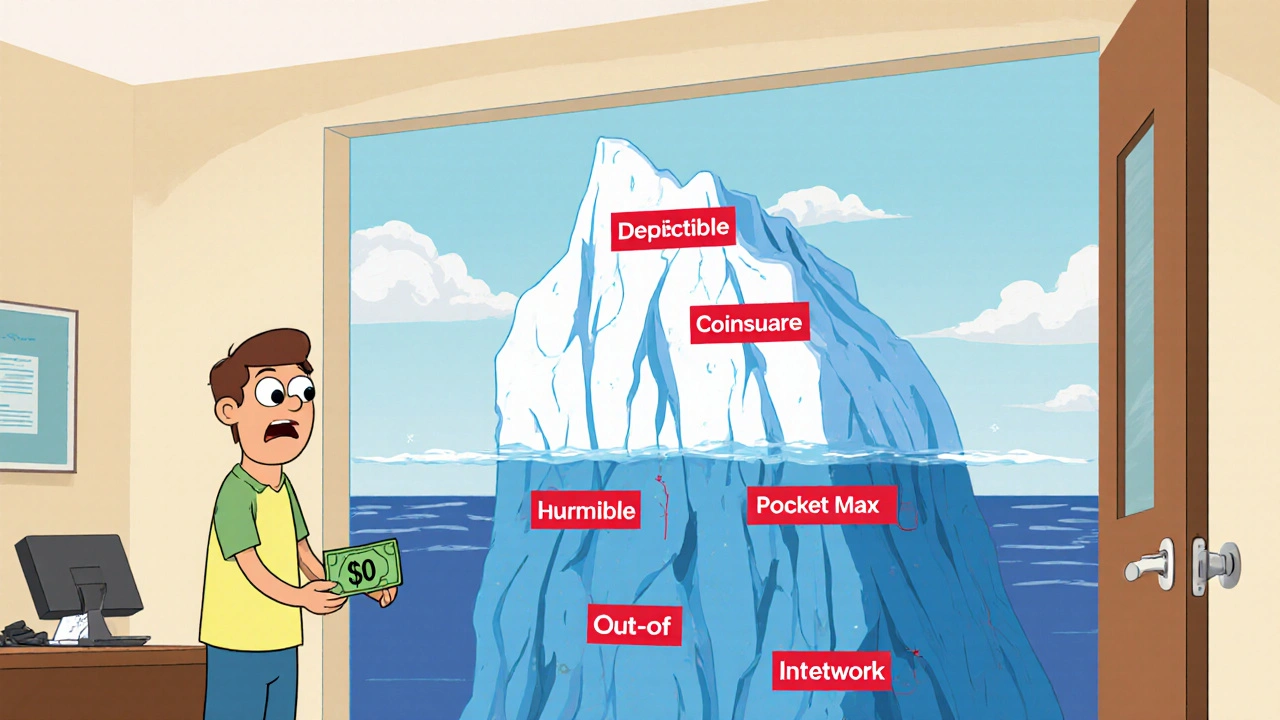
How to Calculate Total Cost of Therapy Beyond the Copay
Therapy costs go far beyond your copay. Learn how deductibles, coinsurance, in-network vs. out-of-network providers, and session frequency affect your total out-of-pocket expenses for mental health care.