Unused Pills: What to Do with Leftover Medications and Why It Matters
When you have unused pills, medications that were prescribed but never fully taken. Also known as leftover drugs, they’re more common than you think — and far more risky than most people realize. Whether it’s antibiotics you finished early, painkillers from a surgery, or a new prescription you didn’t tolerate, keeping these pills around isn’t harmless. It’s a hidden danger. The CDC says over 100 million prescriptions go unused each year in North America alone. Many end up in medicine cabinets, where kids, pets, or even visitors might find them. Others get flushed or thrown in the trash, polluting water and soil. You didn’t mean to create a hazard — but without knowing what to do, you did.
Not all unused pills are the same. Some are still effective long after their expiration date, especially if stored properly in a cool, dry place. Others, like insulin or liquid antibiotics, break down fast and become unsafe. Expired medications, drugs past their labeled use-by date don’t always lose power — but they can lose safety. A 2012 FDA study found many expired pills still worked well, but that doesn’t mean you should guess. If you’re unsure, don’t use it. And if you’re not sure what to do with it, medication disposal, the safe way to get rid of unwanted drugs isn’t about throwing them away — it’s about getting them to the right place. Many pharmacies, hospitals, and police stations have take-back bins. These aren’t just convenient — they’re the only way to make sure these drugs don’t end up in the wrong hands or the wrong ecosystem.
Why does this matter so much? Because medication adherence, how consistently patients take their prescribed drugs is tied directly to leftover pills. If you’re hoarding unused meds, you’re probably not tracking what you’re actually taking. That’s how dangerous mix-ups happen — like taking two blood pressure pills because you forgot you already took one, or mixing old painkillers with new antidepressants. It’s also why people end up in the ER from accidental overdoses. And when you skip doses because the pills are sitting in a drawer, you’re not just wasting money — you’re risking your health. The same goes for antibiotics. Stopping early because you feel better? That’s how superbugs grow. Keeping them around? That’s how someone else might misuse them.
You don’t need to be a pharmacist to handle this right. Start simple: every time you refill a prescription, check your cabinet. Pull out anything you haven’t used in six months. Write down what it is, why you were prescribed it, and whether you finished the course. If you didn’t — ask your doctor why. Maybe it didn’t work. Maybe you had side effects. Maybe you just forgot. Whatever the reason, now you know. And now you can act. Don’t flush. Don’t toss. Don’t save for "next time." Use a take-back program. Or, if one isn’t nearby, follow FDA guidelines for mixing pills with coffee grounds or cat litter before sealing them in a container. It’s not glamorous, but it’s the only way to be sure.
Below, you’ll find real advice from people who’ve been there — whether it’s how to safely dispose of expired pills, why some medications are riskier than others, or how to stop hoarding drugs you don’t need. These aren’t theory pieces. They’re practical, tested, and written by people who’ve seen the fallout of poor medication habits. You don’t need to be perfect. You just need to be informed. Let’s get you there.
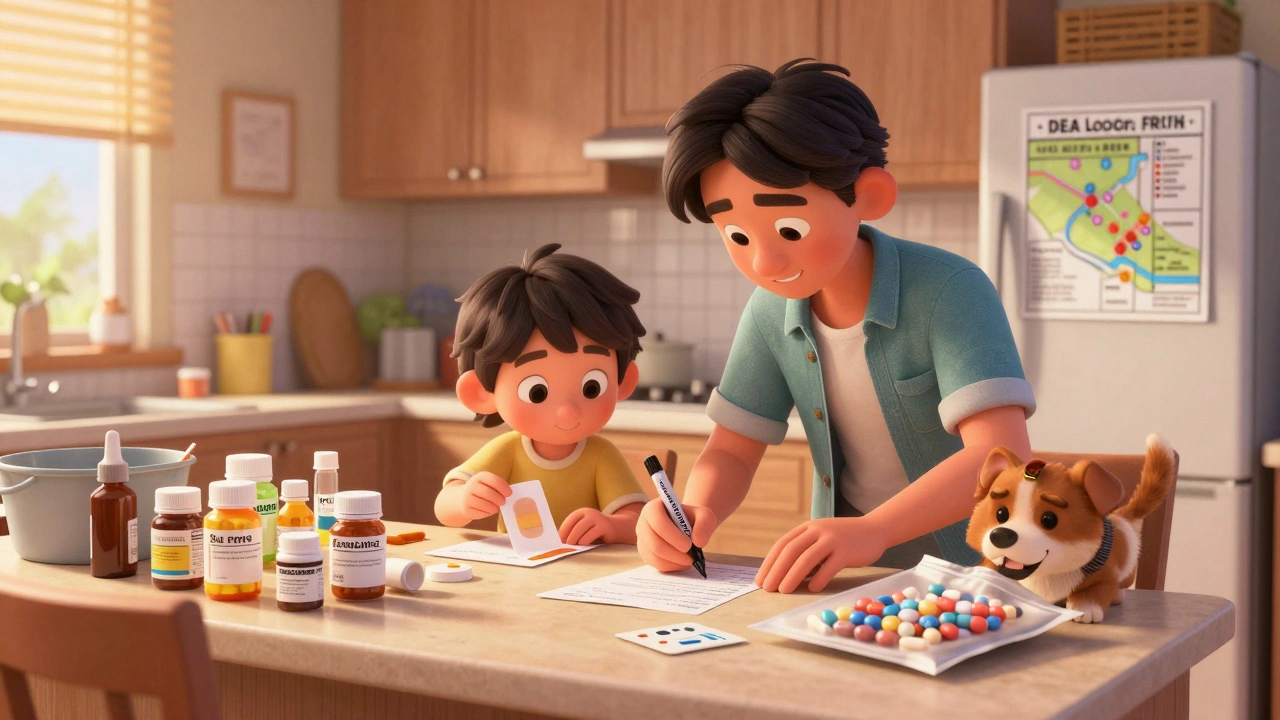
How to Prepare Unused Medications for Take-Back Events: Simple Steps to Stay Safe and Legal
Learn how to safely prepare unused medications for take-back events. Follow simple steps to protect privacy, prevent misuse, and stop pharmaceutical pollution. No flushing. No trash. Just safe disposal.