Urticaria from Antihistamines: When Allergy Meds Cause Rash
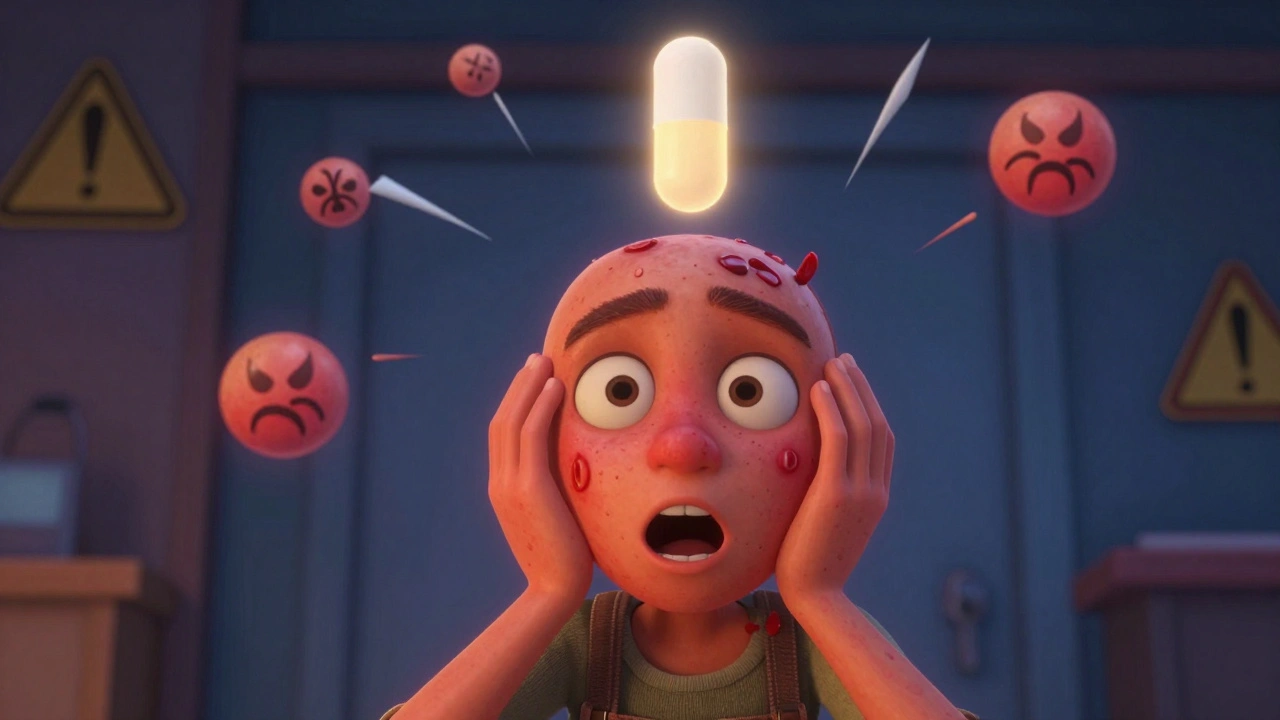
When you take an antihistamine, a medication designed to block histamine and relieve allergy symptoms like itching, sneezing, and hives. Also known as H1 blockers, these drugs are meant to calm your immune system’s overreaction. But in rare cases, the drug itself triggers the same reaction it’s supposed to fix—urticaria, a raised, itchy, red rash also called hives. This isn’t a mistake in dosing. It’s a paradoxical response, and it happens more often than most people realize.
Why does this happen? Your body might react to an inactive ingredient in the pill—like dye, filler, or preservative—rather than the active drug. Or, in some cases, the antihistamine itself acts as an allergen. People with a history of multiple drug allergies or chronic urticaria are more likely to experience this. It’s not a true IgE-mediated allergy like peanut or bee sting reactions, but it still causes real, sometimes severe, skin flare-ups. This is different from a typical side effect like drowsiness. This is your skin screaming that something’s wrong. And if you’re already taking antihistamines because of hives, this twist can feel confusing and frightening.
What do you do if you break out in hives after taking one? Stop the drug. Don’t reach for another brand or higher dose. Contact your doctor. They’ll help you figure out if it’s the active ingredient or a filler causing the problem. In some cases, switching from a first-generation antihistamine like diphenhydramine to a second-generation one like loratadine or cetirizine helps. But if the rash returns, you may need to avoid the entire class. Some patients end up needing alternative treatments like leukotriene inhibitors or even biologics like omalizumab—not because their allergies are worse, but because their body won’t tolerate the usual fix.
This isn’t just a rare oddity. It’s a real clinical scenario that gets missed because doctors assume antihistamines are safe. But if you’ve ever had hives after taking Benadryl, Zyrtec, or Claritin—and you didn’t have them before—you’re not imagining it. You’re part of a small but significant group that needs a different approach. The posts below dive into real cases, how to identify the culprit, what alternatives exist, and how to report these reactions so others don’t get caught off guard. You’ll find advice on tracking symptoms, talking to your pharmacist about fillers, and when to push back on a prescription that’s making things worse. This isn’t about avoiding meds. It’s about finding the right ones.
Antihistamine Allergies and Cross-Reactivity: What to Watch For
Some people develop hives or allergic reactions from antihistamines instead of relief. This rare but real condition is caused by receptor changes, not typical allergies. Learn how to recognize it, why tests often miss it, and what to do next.