Vitamin D and Statins: What You Need to Know About Interaction and Health Impact
When you’re taking a statin, a class of drugs prescribed to lower cholesterol and reduce heart attack risk, and also supplementing with vitamin D, a fat-soluble nutrient critical for bone health, immune function, and muscle strength, it’s natural to wonder if they work well together—or if one cancels out the other. The truth? There’s no clear evidence that vitamin D directly interferes with how statins like atorvastatin or rosuvastatin work. But that doesn’t mean there’s nothing to watch for.
Many people on statins also have low vitamin D levels, not because the drug drains it, but because both conditions are linked to similar lifestyle factors: less time outdoors, poor diet, or chronic inflammation. Some studies, including one published in the Journal of Clinical Lipidology, found that people taking statins had slightly higher vitamin D levels over time—possibly because statins reduce inflammation, which might help the body use vitamin D more efficiently. But other research shows no change at all. The big takeaway? Don’t assume your statin is boosting your vitamin D. Get tested if you’re tired, achy, or getting sick often.
What about side effects? Statins can cause muscle pain in up to 10% of users. Low vitamin D can cause similar symptoms—aching muscles, weakness, fatigue. If you’re feeling off, it’s easy to blame the statin. But if your vitamin D is low, fixing that might ease the discomfort without stopping your medication. One small trial showed that people with low vitamin D who started supplementing reported less muscle pain while on statins. That doesn’t mean vitamin D replaces statins—it just means correcting a deficiency might make tolerating them easier.
Don’t confuse this with other supplements. Things like red yeast rice or high-dose niacin can seriously interact with statins. Vitamin D? Not one of them. But that doesn’t mean more is better. Taking over 4,000 IU daily long-term can raise calcium levels, which might stress your kidneys or arteries—especially if you’re already on meds that affect your electrolytes. Stick to the dose your doctor recommends, usually 600–2,000 IU, unless you’re severely deficient.
And here’s something most people miss: vitamin D isn’t just a pill. It’s made by your skin when sunlight hits it. If you’re indoors all day, live in a northern climate, or wear sunscreen every day, you’re not making enough—no matter how many pills you take. Statins don’t block sunlight, but they don’t help you get it either. If you’re on a statin and feeling run down, try walking outside for 15 minutes a few days a week. It’s free, it helps your mood, and it might do more for your vitamin D than a capsule.
Bottom line: vitamin D and statins don’t clash. But they’re both part of a bigger picture—your heart, your bones, your energy, your daily habits. If you’re on a statin and wondering whether to take vitamin D, the answer isn’t about drug interactions. It’s about whether you’re getting enough of the sun, the food, and the movement your body needs to stay strong. The posts below break down real cases, studies, and practical tips from people who’ve been there—so you don’t have to guess what’s working for you.
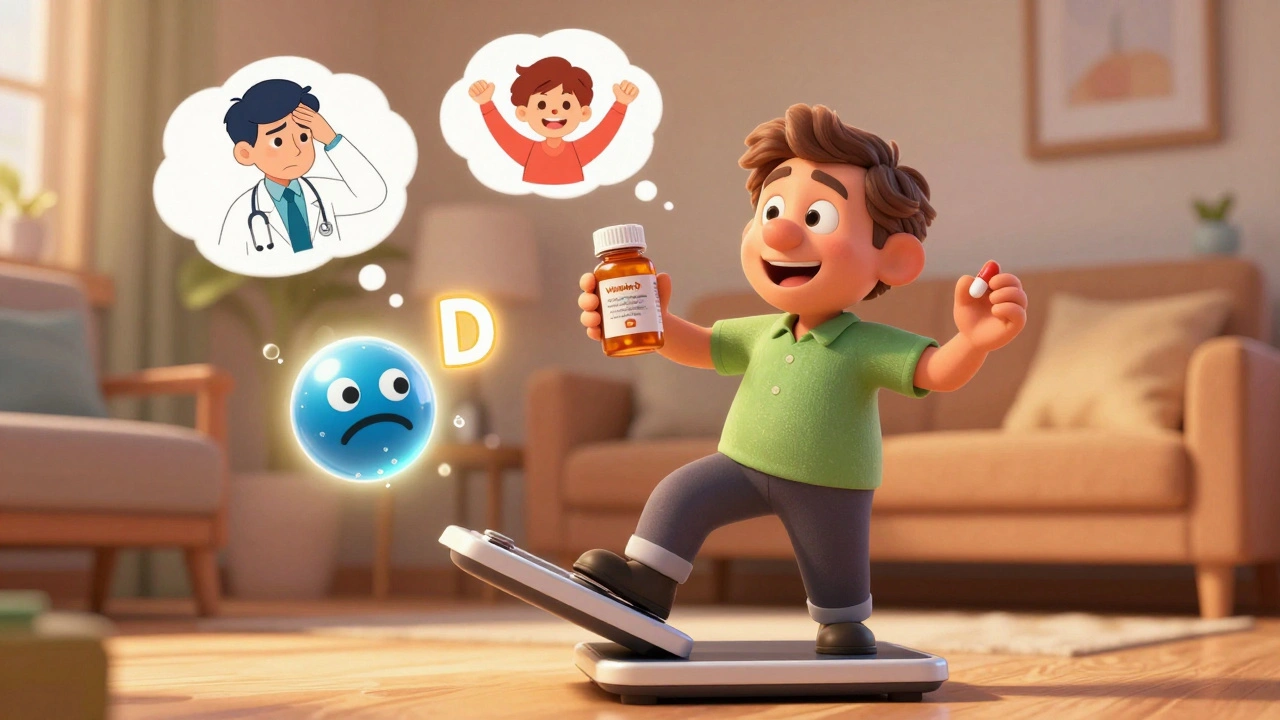
Vitamin D and Statins: What the Research Really Says About Interactions
Vitamin D doesn't prevent statin muscle pain, despite popular belief. Research shows no benefit, but statins can affect vitamin D levels differently depending on the type. Here's what the science says.