Handwritten prescriptions are still killing people - and it’s not just a problem from the past
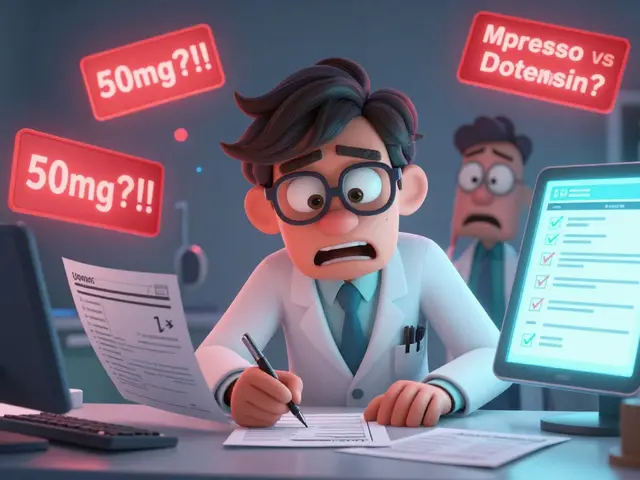
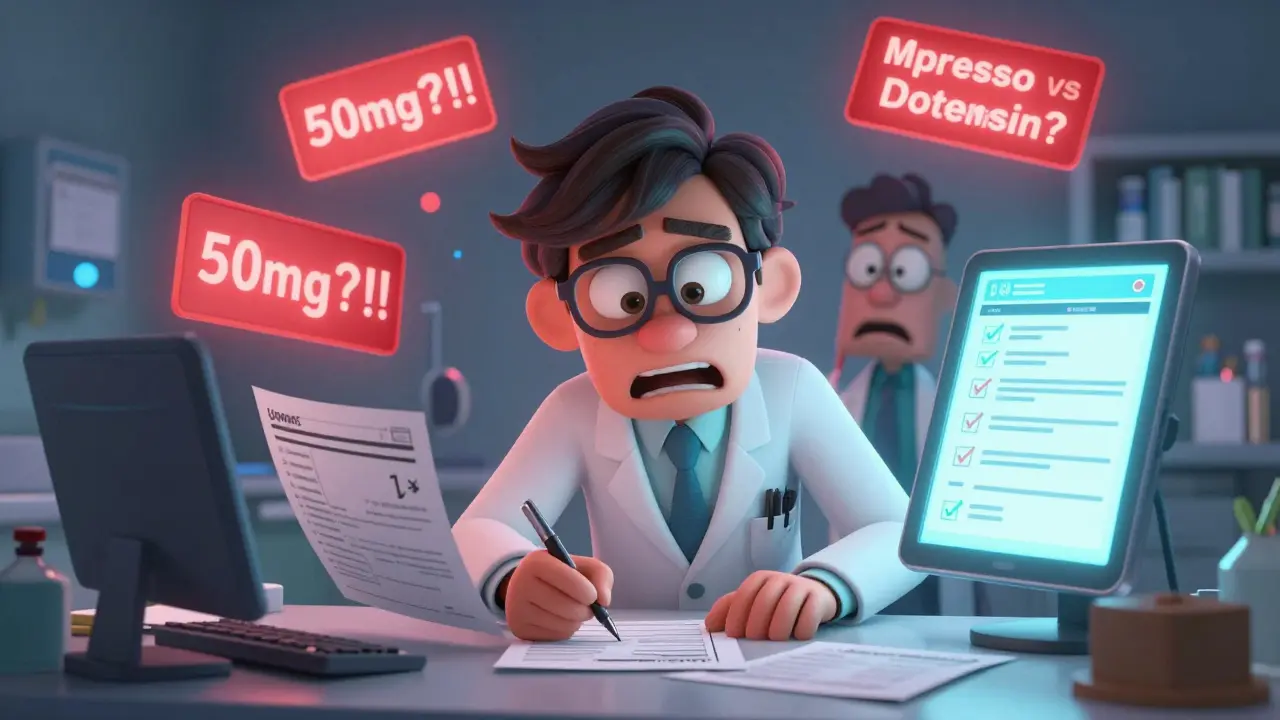
Picture this: a pharmacist stares at a scribbled note on a paper prescription. Is that ‘5 mg’ or ‘50 mg’? Is the drug ‘Lopressor’ or ‘Lotensin’? The difference could mean life or death. Despite advances in technology, illegible handwriting on prescriptions continues to cause dangerous, preventable mistakes in hospitals, clinics, and pharmacies around the world. In the U.S. alone, an estimated 7,000 people die each year because of errors caused by unreadable handwriting - not from rare diseases or failed surgeries, but from simple, avoidable mistakes in how a doctor writes a prescription.
Why does handwriting still matter in 2026?
It’s easy to assume that since we have smartphones and digital records, handwritten prescriptions are a thing of the past. But they’re not. Even in developed countries, many doctors still write them by hand - especially in busy emergency rooms, rural clinics, and older practices that haven’t fully switched to digital systems. The problem isn’t just bad penmanship. It’s missing information: no dosage, no route (oral? IV?), no frequency (once a day? every 6 hours?), no prescriber signature. A 2022 study found that 92% of medical students and doctors made at least one prescription error, averaging two per person. That’s not incompetence - it’s pressure. Doctors are rushed. They’re juggling 30 patients a day. Writing clearly takes time they don’t have.
The real cost of unreadable scripts
The consequences aren’t theoretical. In 2005, a study of 40 surgical notes in a British hospital found that only 24% were rated as legible by nurses and pharmacists. Over a third were labeled ‘poor.’ That means more than one in three prescriptions were hard to read - and that’s just the ones reviewed. In the U.S., pharmacists make 150 million phone calls every year just to clarify handwritten orders. That’s not customer service - it’s a safety net holding together a broken system. Nurses spend an average of 12.7 minutes per illegible prescription tracking down the right information. That’s 12.7 minutes they’re not spending with a patient who’s in pain or recovering from surgery. And for every unclear prescription, there’s a risk of giving the wrong drug, the wrong dose, or the wrong timing - all leading to adverse drug events. The Institute of Medicine estimates 1.5 million of these happen annually in the U.S., with handwriting errors responsible for a significant portion.
E-prescribing isn’t just convenient - it’s life-saving
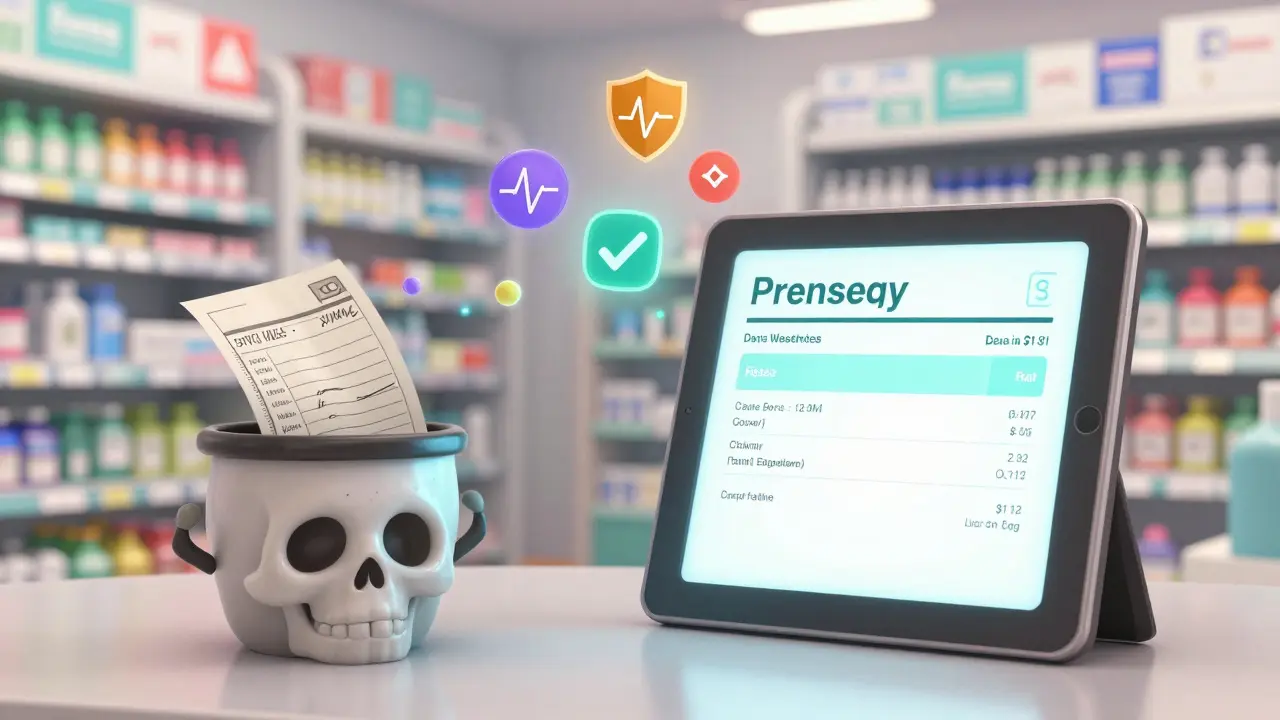
The solution isn’t to ask doctors to write better. It’s to stop asking them to write at all. e-prescribing has been around since the early 2000s, and the data is overwhelming. A 2025 study in JMIR found that electronic prescriptions had an 80.8% accuracy rate when checked against safety standards. Handwritten ones? Just 8.5%. That’s a 95% drop in errors. Even when clinicians typed prescriptions manually - without templates or auto-fill - they still hit a 56% accuracy rate. That’s still more than six times safer than scribbling on paper. The technology works. It reduces errors from illegibility by 97%, according to Veradigm. It stops look-alike drug names from being misread. It flags dangerous interactions before the script leaves the office. It even auto-fills patient allergies and weight-based dosing.
Why hasn’t everyone switched yet?
Cost and complexity. Setting up a full e-prescribing system can cost between $15,000 and $25,000 per provider. Training staff takes 8 to 12 hours. Integrating it with existing electronic health records can be a technical nightmare. Smaller clinics and rural practices struggle with funding and IT support. Some doctors complain that digital systems slow them down. Alert fatigue is real - when a system pings you with 20 warnings for every prescription, you start ignoring them. But these are implementation problems, not reasons to keep using paper. The fix isn’t to go back to handwriting. It’s to improve the software, simplify workflows, and fund support for clinics that need it.
What can be done right now - even without digital systems?
Not every clinic can afford a full digital upgrade tomorrow. But that doesn’t mean nothing can be done. Here’s what works today:
- Use printed letters, not cursive. Cursive is the biggest culprit in unreadable scripts.
- Avoid dangerous abbreviations. ‘U’ for units? Could be mistaken for ‘0’ or ‘4.’ ‘QD’ for daily? Could be read as ‘QID’ (four times a day). The Joint Commission’s ‘Do Not Use’ list exists for a reason.
- Write everything out. Don’t say ‘take one.’ Say ‘take one tablet by mouth three times daily.’
- Include the prescriber’s full name and contact info. No one should have to guess who wrote it.
- Use printed prescription pads with pre-printed fields. They force structure.
A 2019 study showed that when doctors used a 15-item checklist to review their own handwritten scripts, errors dropped by nearly half. Self-auditing works. It’s low-tech, but it saves lives.
The future is digital - and it’s already here
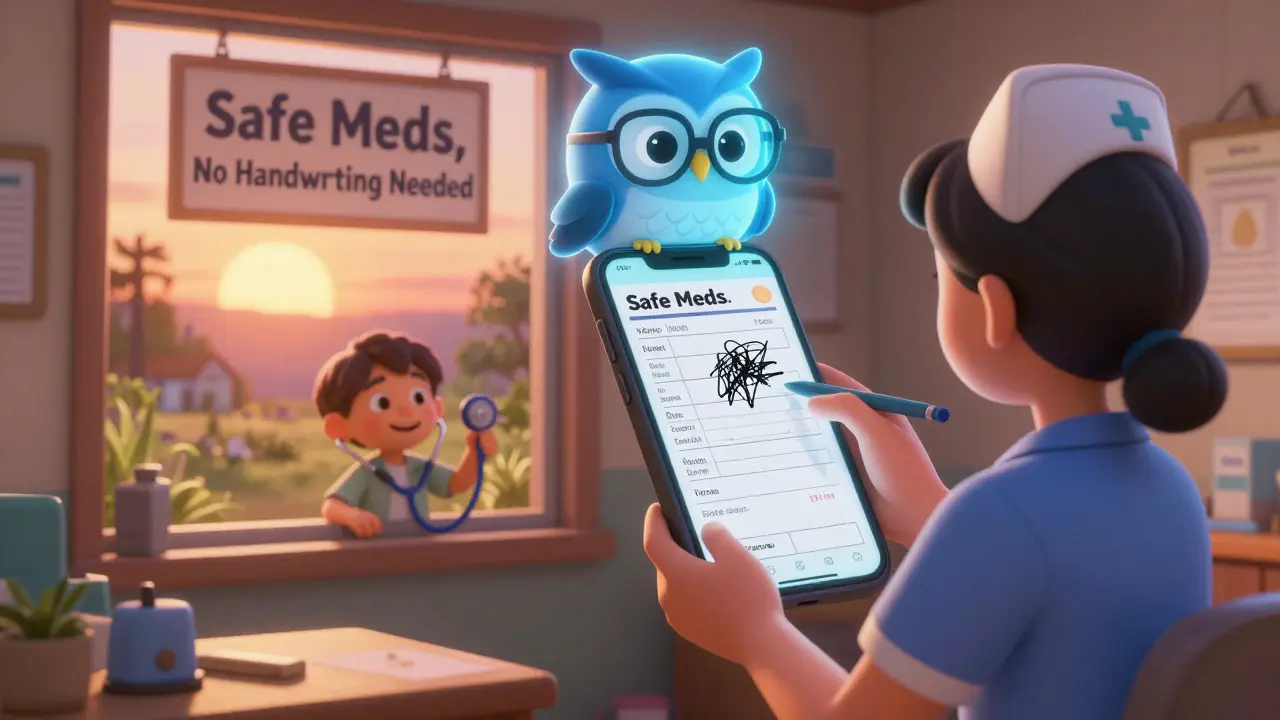
The U.S. e-prescribing market was worth $1.8 billion in 2022 and is projected to hit $4.2 billion by 2027. Why? Because regulations are pushing change. The Medicare Improvements for Patients and Providers Act of 2008 gave financial incentives. The 21st Century Cures Act of 2016 required systems to talk to each other. CMS continues to tie reimbursement to meaningful use of electronic records. In 2019, 80% of U.S. office-based providers were using e-prescribing. That number is climbing. By 2030, handwritten prescriptions will be rare in most developed countries - not because they’re banned, but because they’re too risky to use.
What about places without reliable technology?
That’s the next frontier. In low-resource settings, digital systems aren’t always an option. But AI is stepping in. Early studies show that artificial intelligence tools can interpret handwritten prescriptions with 85-92% accuracy - scanning a photo of a script and converting it into readable digital text. It’s not perfect, but it’s a bridge. Imagine a clinic in a remote area: a nurse takes a photo of a handwritten script, sends it to a cloud-based AI, and gets back a clear, typed version with dosage and warnings. That’s not science fiction. It’s happening now.
It’s not about the pen - it’s about the system
Doctors aren’t bad because they write poorly. They’re overwhelmed. The system is designed to let them cut corners. But patient safety can’t be an afterthought. The solution isn’t to shame doctors for bad handwriting. It’s to remove the need for it entirely. Electronic prescribing isn’t just a tech upgrade - it’s a public health imperative. Every handwritten script carries risk. Every digital one reduces it. The data doesn’t lie. The deaths aren’t hypothetical. The fix is clear. It’s time to stop writing - and start clicking.