Phosphate Binders: What They Are, How They Work, and When You Need Them
When your kidneys can’t filter phosphorus properly, phosphate binders, medications that attach to phosphorus in food so your body doesn’t absorb it. Also known as phosphorus binders, they’re a daily must for many with advanced kidney disease. Without them, phosphorus builds up in your blood—a silent problem that can weaken your bones, damage your heart, and speed up kidney failure.
This isn’t just about pills. It’s about food. Phosphate binders only work if you take them with meals. If you skip them, even a small portion of cheese, soda, or processed meat can spike your phosphorus levels. People on dialysis, a treatment that replaces some kidney function when organs fail rely on these drugs because their bodies can’t remove phosphorus naturally. And for those with hyperphosphatemia, a condition where blood phosphorus levels are too high, binders aren’t optional—they’re life-preserving.
There are different kinds. Some use calcium, like calcium acetate, which helps bind phosphorus but can raise calcium levels if overused. Others, like sevelamer or lanthanum, don’t contain calcium at all, making them safer for people already dealing with calcification in arteries or valves. Your doctor picks based on your labs, diet, and other meds. It’s not one-size-fits-all. And while some people think these drugs are just for the elderly or those in late-stage disease, they’re often started early—before symptoms show—because phosphorus damage builds slowly over years.
What you won’t find in a pill bottle is the real challenge: sticking with it. These pills are big, often taken three or four times a day with every meal. That’s 12+ pills a day for some. No wonder many skip them. But every missed dose adds up. That’s why the best advice isn’t just about which binder to take—it’s about finding a system that works for your life. Whether it’s pill organizers, phone alarms, or pairing them with a routine like brushing your teeth after eating, consistency beats perfection.
The posts below cover real-world stories and science behind these drugs: how they interact with other meds, why some people still struggle even when taking them, what lab numbers really mean, and how diet plays a bigger role than most realize. You’ll also find what to ask your doctor if your levels won’t drop, and why skipping phosphate binders can be more dangerous than you think.

Kidney Disease Medications: Phosphate Binders, Diuretics, and Anticoagulants Explained
Phosphate binders, diuretics, and anticoagulants are essential for managing complications of kidney disease. Learn how they work, their real-world costs, side effects, and how to use them safely to reduce hospitalizations and improve survival.
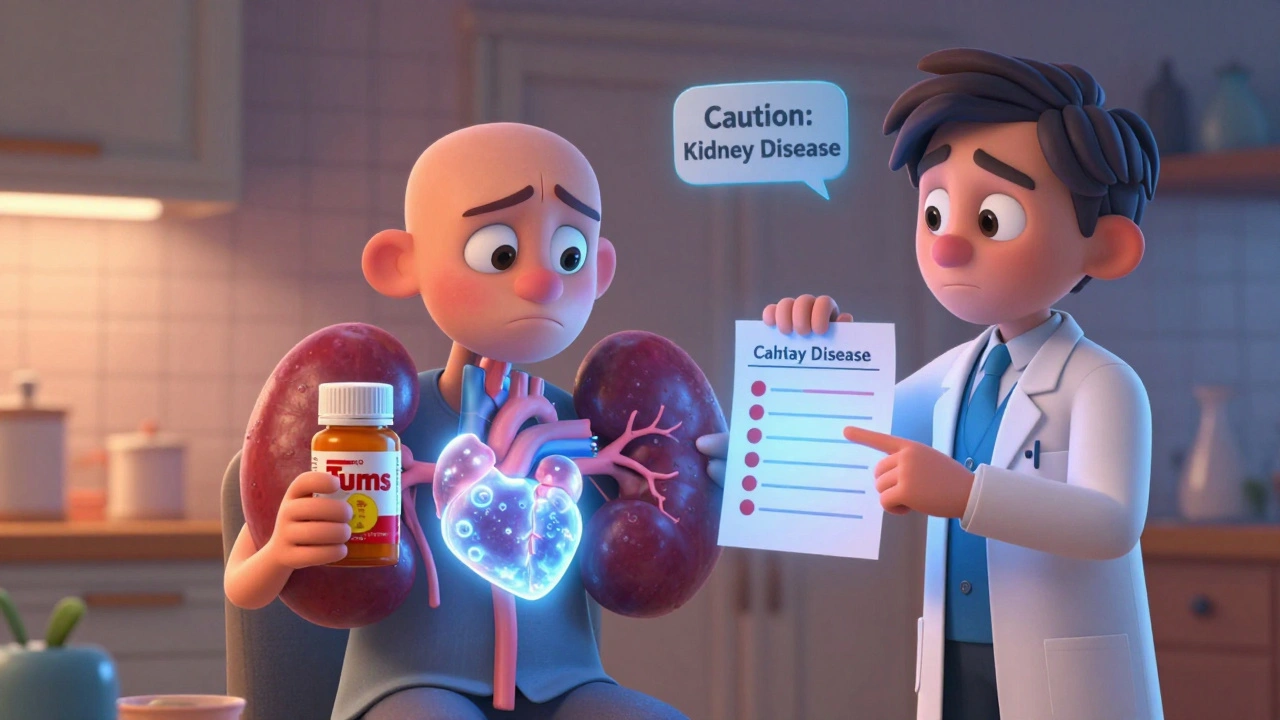
Antacids and Kidney Disease: What You Need to Know About Phosphate Binders and Risks
Antacids like Tums and Milk of Magnesia are common for heartburn, but for people with kidney disease, they can be dangerous. Learn how calcium, aluminum, and magnesium in these drugs affect phosphate levels, kidney function, and heart health.