Safe Medication Disposal: How to Get Rid of Unused Drugs Without Risk
When you have old pills sitting in a drawer—maybe from a past infection, an injury, or a change in treatment—safe medication disposal, the proper way to discard unused or expired pharmaceuticals to prevent harm to people and the environment. Also known as drug disposal, it’s not just about cleaning out your medicine cabinet. It’s about stopping pills from ending up in the water, in the hands of kids, or in the bloodstream of someone who shouldn’t have them. Flushing them? Throwing them in the trash? Those are the easy answers, but they’re the wrong ones.
Most drugs don’t break down easily. When you flush them, they wind up in rivers and lakes. When you toss them in the garbage, curious kids or pets might dig them out. Even worse, someone might steal them. The pharmaceutical waste, unused or expired drugs that enter the environment through improper disposal problem is real. The medication safety, the practice of using, storing, and discarding drugs to avoid harm system isn’t just about taking pills right—it’s about getting rid of them right too. That’s why pharmacies, hospitals, and local governments now run drug disposal, programs that collect unused medications for safe destruction drop-offs. Some places even have mail-back envelopes or special bins at police stations. You don’t need a prescription to use them. Just bring the pills—no need to remove them from the bottle, but do take out any personal info.
And what about those pills that expired last year? Or the ones your doctor switched you off of? If there’s no drop-off nearby, the FDA says you can mix them with coffee grounds or cat litter in a sealed bag before tossing them. That makes them unappealing and harder to misuse. But don’t do this with opioids or other high-risk drugs—those always need a take-back program. And never, ever crush pills unless your doctor says so. Some are designed to release slowly, and crushing them can be dangerous.
Why does this matter? Because safe medication disposal isn’t just about your home. It’s about preventing addiction, protecting wildlife, and keeping your water clean. One study found traces of antidepressants, birth control, and painkillers in drinking water supplies across North America. You didn’t put them there—but your old pills might have. By using a proper disposal method, you’re not being extra careful. You’re being responsible.
Below, you’ll find real advice from people who’ve dealt with expired meds, confusing labels, and insurance hurdles. You’ll learn how to track what’s in your cabinet, when to toss it, and how to help others do the same. No fluff. Just what works.
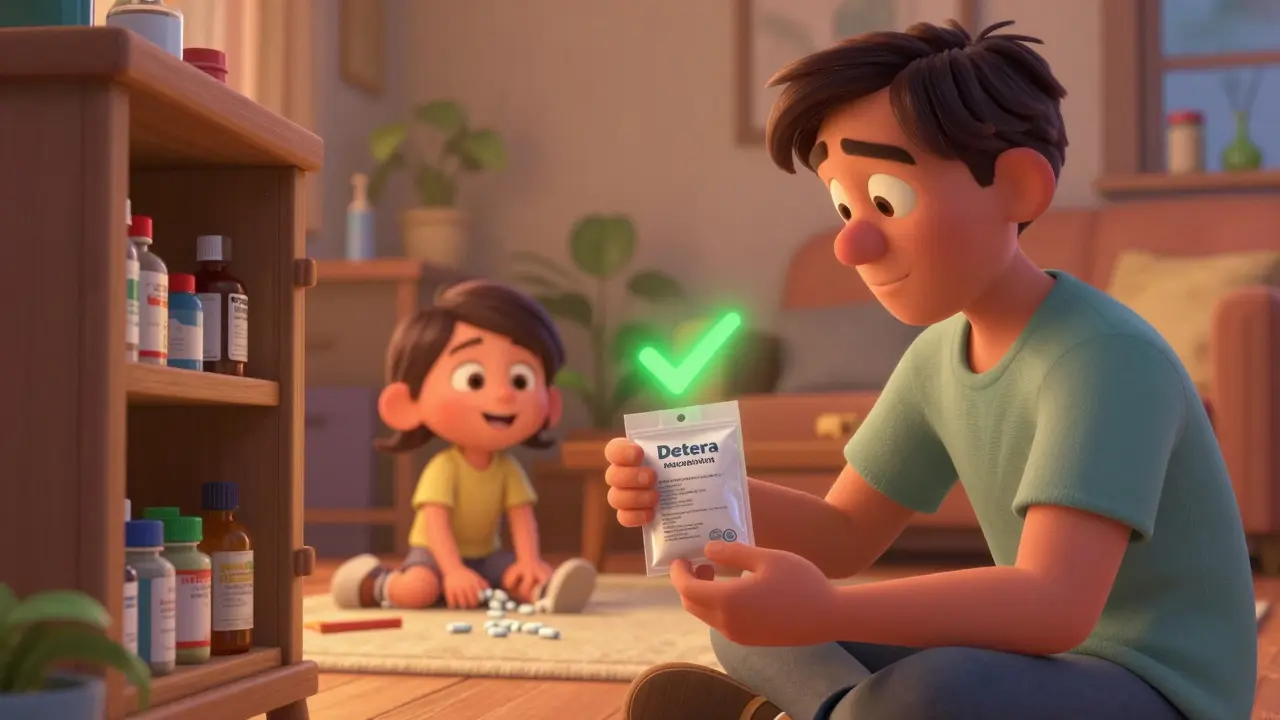
How to Dispose of Unused Opioids to Prevent Misuse and Overdose
Learn the four safe, proven ways to dispose of unused opioids to prevent misuse, accidental overdose, and environmental harm. From take-back programs to deactivation pouches, this guide gives you clear, actionable steps backed by CDC and FDA data.
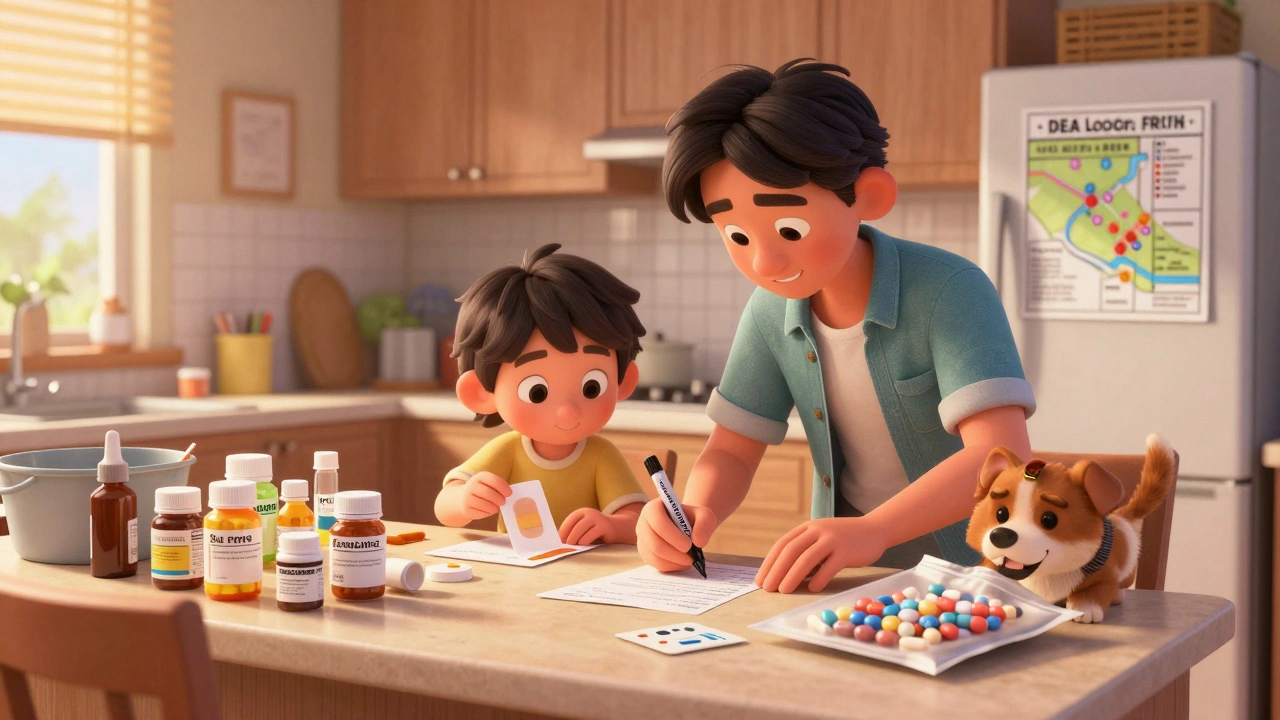
How to Prepare Unused Medications for Take-Back Events: Simple Steps to Stay Safe and Legal
Learn how to safely prepare unused medications for take-back events. Follow simple steps to protect privacy, prevent misuse, and stop pharmaceutical pollution. No flushing. No trash. Just safe disposal.