Vitamin D Deficiency: Causes, Risks, and What to Do About It
When your body doesn’t get enough vitamin D, a fat-soluble nutrient critical for calcium absorption and immune function. Also known as the sunshine vitamin, it’s not just about bones—it plays a role in muscle strength, mood, and how your body fights off infections. In Canada, where winters are long and sunlight is limited, vitamin D deficiency affects a huge number of people, even those who think they’re doing everything right.
Many people assume they’re getting enough vitamin D from milk or cereal, but those sources rarely provide enough. Your skin makes vitamin D when exposed to sunlight, but in northern latitudes, the sun’s angle during fall and winter makes that nearly impossible. Even if you go outside, sunscreen, clothing, and darker skin tone reduce how much your body can produce. That’s why vitamin D levels, measured through a simple blood test called 25-hydroxyvitamin D, often come back low. And when they do, it’s not just about feeling tired—low levels are linked to weaker bones, increased risk of fractures, and even a higher chance of autoimmune conditions.
People who stay indoors most of the day, older adults, those with obesity, or anyone with digestive issues like Crohn’s disease are at higher risk. Even kids and pregnant women can be affected. That’s why vitamin D supplements, typically in the form of D3 (cholecalciferol) are often recommended—not as a quick fix, but as a daily habit. Most health experts suggest 600 to 800 IU per day for adults, but if you’re deficient, doctors may prescribe higher doses temporarily. Don’t just grab any supplement off the shelf—look for ones that are third-party tested and contain D3, not D2, which is less effective.
Fixing a deficiency isn’t just about popping pills. It’s about understanding how your lifestyle, location, and health history shape your needs. You can’t rely on diet alone—few foods naturally contain enough vitamin D, and even fatty fish or egg yolks won’t cover your daily gap in winter. That’s why testing and targeted supplementation are the only reliable ways to get back to healthy levels.
Below, you’ll find real, practical advice from people who’ve dealt with low vitamin D—how they tracked it, what worked, and what didn’t. You’ll see how it connects to other health issues like thyroid function, medication interactions, and long-term drug use. No fluff. Just what you need to know to protect your health, one day at a time.

Vitamin D and Bone Health: What Really Works for Strong Bones
Vitamin D is essential for strong bones, but more isn't always better. Learn the real targets for blood levels, who needs supplements, why high doses can hurt bone density, and how to take it safely with calcium and sunlight.
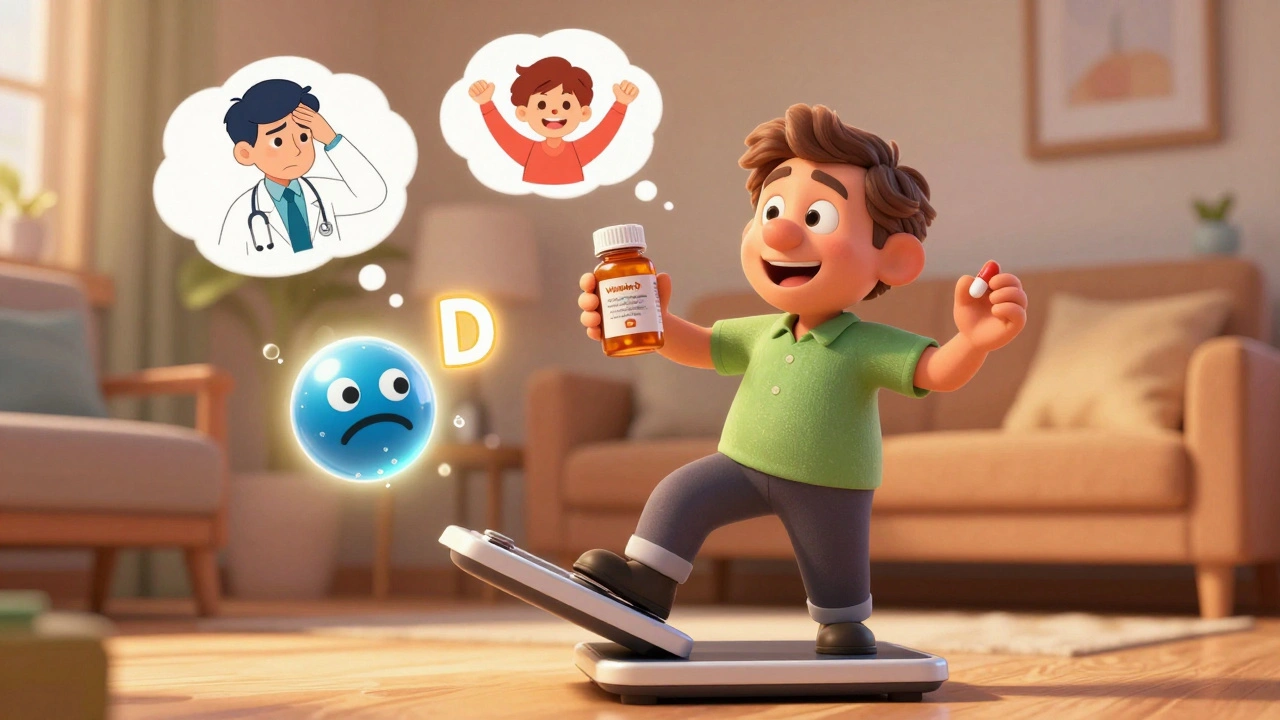
Vitamin D and Statins: What the Research Really Says About Interactions
Vitamin D doesn't prevent statin muscle pain, despite popular belief. Research shows no benefit, but statins can affect vitamin D levels differently depending on the type. Here's what the science says.