Medication Safety in 2025: Understanding Drug Interactions, Adherence, and Side Effects
When you take a medication, you’re not just dealing with a pill—you’re managing a system. Medication safety, the practice of using drugs correctly to avoid harm while achieving therapeutic goals. Also known as drug safety, it’s what keeps you out of the hospital and helps your treatment actually work. This isn’t just about following labels. It’s about understanding how your body reacts, what else you’re taking, and how your life affects your meds. In November 2025, we dug into the real stories behind the statistics: why half of people forget their pills, how a green tea supplement can cancel out a heart drug, and why expired meds sometimes get used because there’s no other choice.
One major thread running through every post this month is drug interactions, when one substance changes how another works in your body. This includes medication interactions between prescriptions, over-the-counter drugs, and even supplements like SAMe or green tea extract. For example, omeprazole can block clopidogrel’s activation, and vitamin K can undo warfarin’s effects. These aren’t rare edge cases—they’re everyday risks. Then there’s medication adherence, how consistently patients take their drugs as prescribed. It’s not laziness. It’s cost, confusion, too many pills, or fear of side effects. We showed how caregivers can step in, how to read labels clearly, and why reporting a strange reaction—even if it seems minor—helps protect others.
And let’s not forget the difference between a side effect, a known, expected reaction to a drug. Also known as adverse reaction, it’s not always an allergy and a true drug allergy, an immune system response that can be life-threatening. Mislabeling one as the other can lead to worse treatments and higher bills. We broke down how to talk to your doctor about this without sounding confusing or dramatic. This month’s collection doesn’t just list problems—it gives you tools. From using a food diary to stabilize INR levels, to knowing when to appeal an insurance denial, to choosing between authorized and generic versions of the same drug, these are the things real people need to know. You won’t find fluff here. Just clear, direct advice built from the questions patients actually ask.
What follows is a curated set of guides from November 2025—each one tackles a real, urgent issue in how medications affect daily life. Whether you’re managing heart disease, depression, menopause, or just trying to avoid a dangerous mix of pills, you’ll find something that speaks directly to your situation. No theory. No jargon. Just what works.
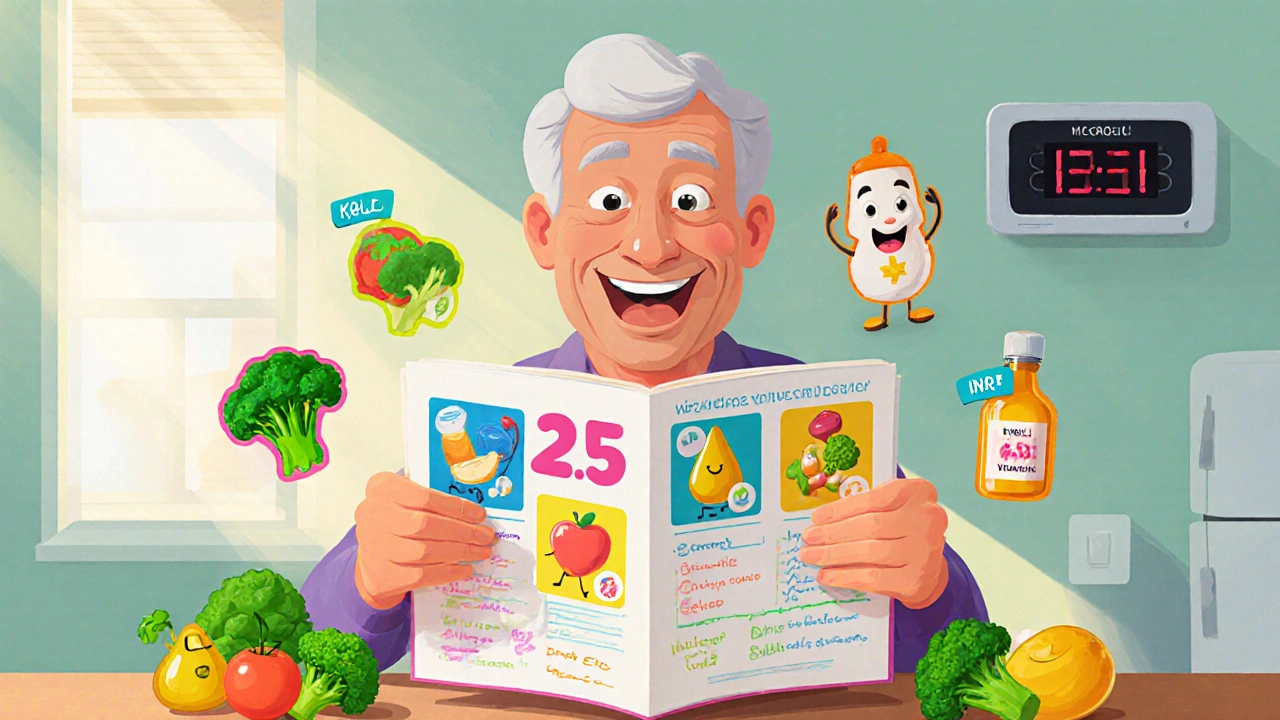
Using Food Diaries on Warfarin: Track Vitamin K to Stay Safe
Track vitamin K intake with a food diary to keep your INR stable while on warfarin. Learn which foods affect blood thinning, how to use apps or paper logs, and what experts recommend for safety.
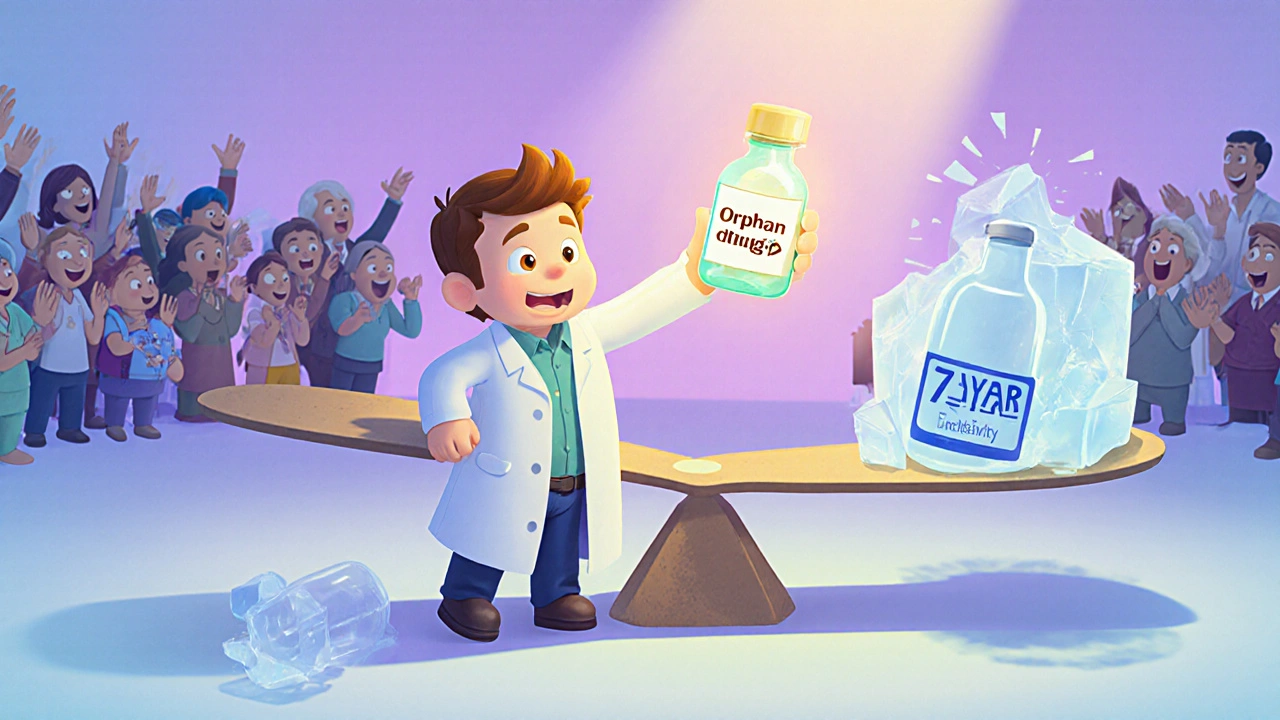
Orphan Drug Exclusivity: How Rare-Disease Medicines Get Market Protection
Orphan drug exclusivity gives pharmaceutical companies seven years of market protection for rare-disease treatments, encouraging development where profits would otherwise be impossible. Here's how it works, who benefits, and why it's changing.
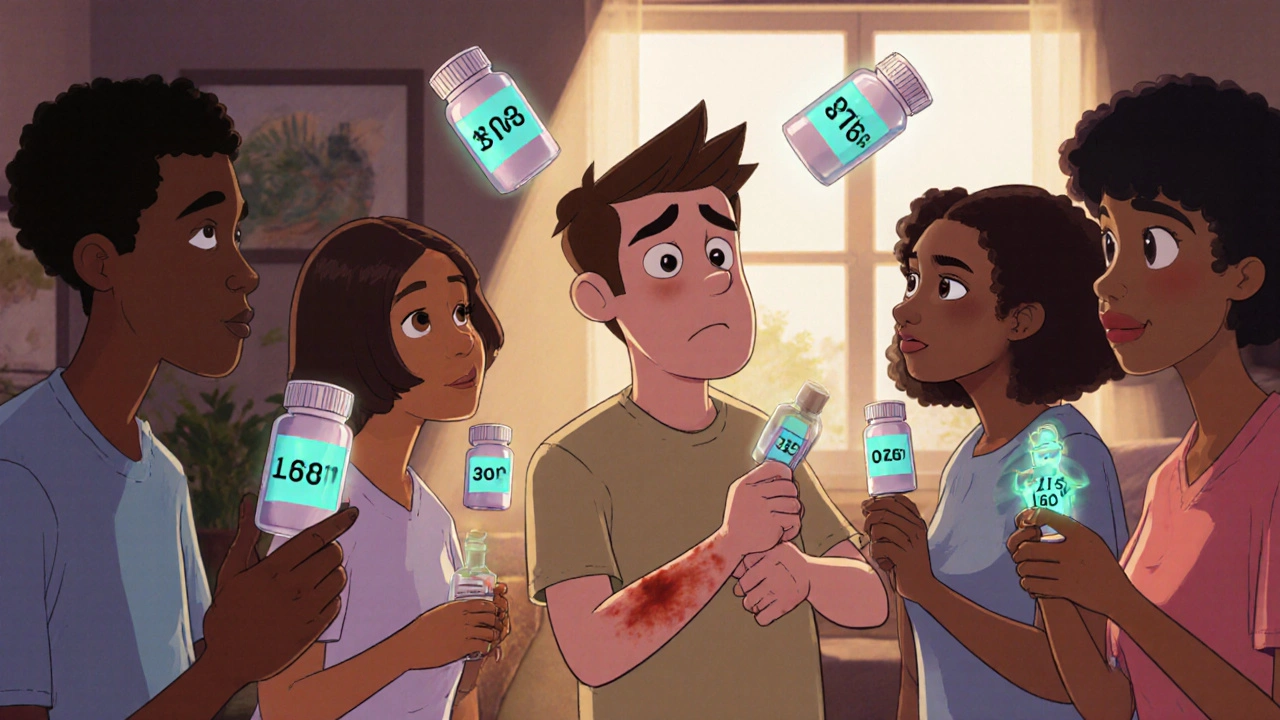
When to Report Rare Side Effects from Generic Medications
Learn when and how to report rare side effects from generic medications. Understand what counts as serious, unexpected, or life-threatening, and how your report helps protect others.
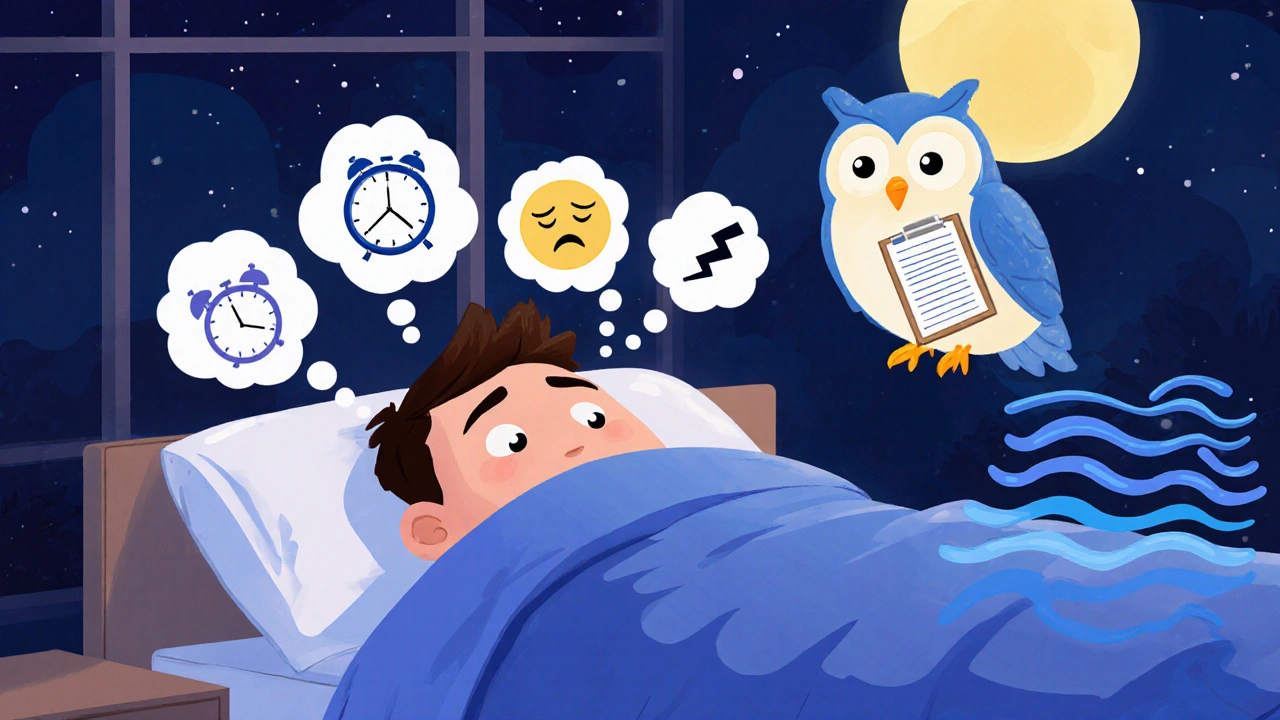
Insomnia: Why Cognitive Behavioral Therapy Beats Sleep Medications Long-Term
CBT-I is the most effective, long-lasting treatment for chronic insomnia-beating sleep medications in both effectiveness and safety. Learn how behavioral therapy rewires your sleep habits for good.
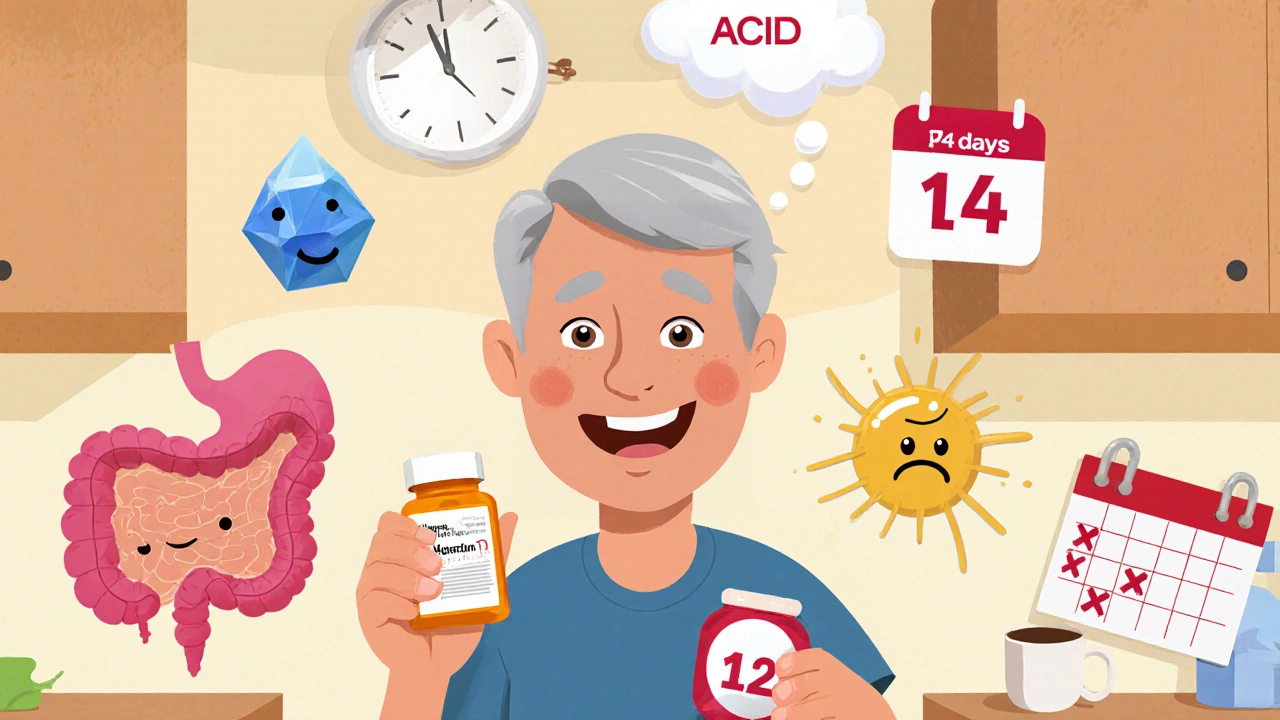
Proton Pump Inhibitors: Long-Term Risks and When to Stop
Proton pump inhibitors help with heartburn and ulcers, but long-term use carries real risks like bone fractures, kidney issues, and vitamin deficiencies. Learn when to stop and how to do it safely.

How to Appeal Insurance Denials for Brand-Name Medications
Learn how to successfully appeal insurance denials for brand-name medications with step-by-step guidance, real-world examples, and key documentation tips to get your prescription covered.
Hormone Replacement Therapy: Benefits, Risks, and Monitoring
Hormone Replacement Therapy can relieve menopause symptoms and protect bone health-but only when used correctly. Learn who benefits, what the real risks are, and how to monitor HRT safely.
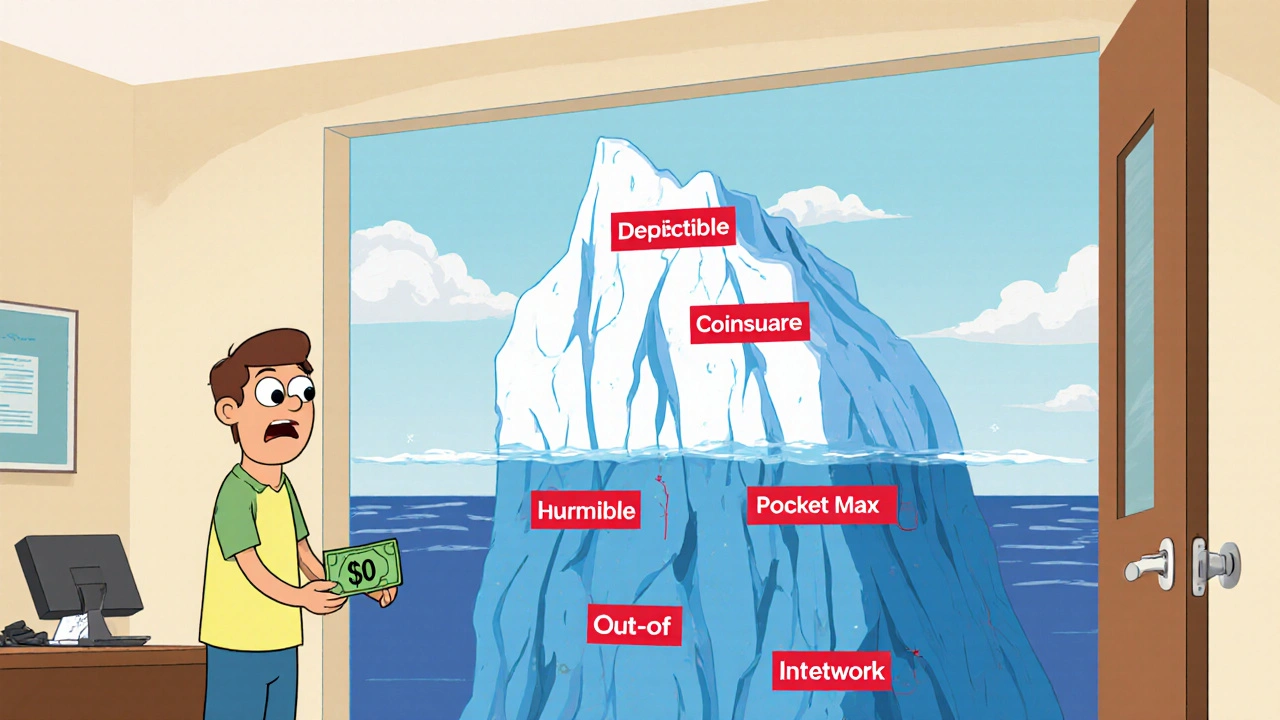
How to Calculate Total Cost of Therapy Beyond the Copay
Therapy costs go far beyond your copay. Learn how deductibles, coinsurance, in-network vs. out-of-network providers, and session frequency affect your total out-of-pocket expenses for mental health care.

How Comorbidities Increase Drug Side Effects and What You Need to Know
Comorbidities dramatically increase the risk of dangerous drug side effects. Learn how chronic conditions alter how your body processes medications and what steps you can take to stay safe.

Why Patients Skip or Forget Medications: Common Barriers to Adherence
Half of all patients skip or forget their meds - not because they don’t care, but because cost, complexity, and confusion make it too hard. Learn the real reasons and what actually helps.