Bioequivalence: What It Means for Generic Drugs and Your Health
When you pick up a generic pill, you want to know it will do the same job as the brand-name version. That’s where bioequivalence, the scientific standard that proves two drug formulations deliver the same amount of active ingredient at the same rate in the body. Also known as therapeutic equivalence, it’s the reason your pharmacist can legally swap your prescription without asking your doctor. If two drugs are bioequivalent, your body absorbs them the same way—no surprises, no drop in effectiveness.
This isn’t just paperwork. Bioequivalence is tested in real people using strict FDA and Health Canada protocols. Researchers measure how much of the drug enters your bloodstream and how fast it gets there. If the generic’s absorption rate falls within 80% to 125% of the brand’s, it’s approved. That’s not a guess—it’s science backed by hundreds of studies. You might hear people say generics are "weaker" or "less reliable," but if a drug is labeled bioequivalent, that’s not true. The problem isn’t the generic—it’s when people confuse it with unapproved online pills that never went through testing. Those aren’t bioequivalent. They’re risky.
Bioequivalence matters most when you’re on drugs with a narrow safety window—like blood thinners, seizure meds, or thyroid pills. A tiny change in how much gets into your blood can cause serious side effects or make the treatment fail. That’s why switching between brands and generics for these drugs requires close monitoring. But for most medications—antibiotics, blood pressure pills, or antidepressants—bioequivalence means you can switch confidently. It’s not about cost-cutting; it’s about making safe, effective treatment affordable.
Related concepts like generic medication safety, the system that ensures generic drugs meet the same quality, strength, and purity standards as brand-name drugs, and drug absorption, how quickly and completely a medication enters your bloodstream after taking it tie directly into this. You can’t have bioequivalence without reliable absorption. And you can’t trust generic safety without strict testing. These aren’t abstract terms—they’re the guardrails that keep you safe when you choose a cheaper option.
What you’ll find below are real stories and clear explanations about how bioequivalence affects your daily life. From why some people report different side effects after switching to generics, to how insurance companies use bioequivalence to push for lower-cost options, to what to do if you think your generic isn’t working the same—this collection cuts through the noise. You’ll see how it connects to medication adherence, insurance denials, and even rare side effects reported to health agencies. No fluff. Just what you need to know to make smart choices about your prescriptions.
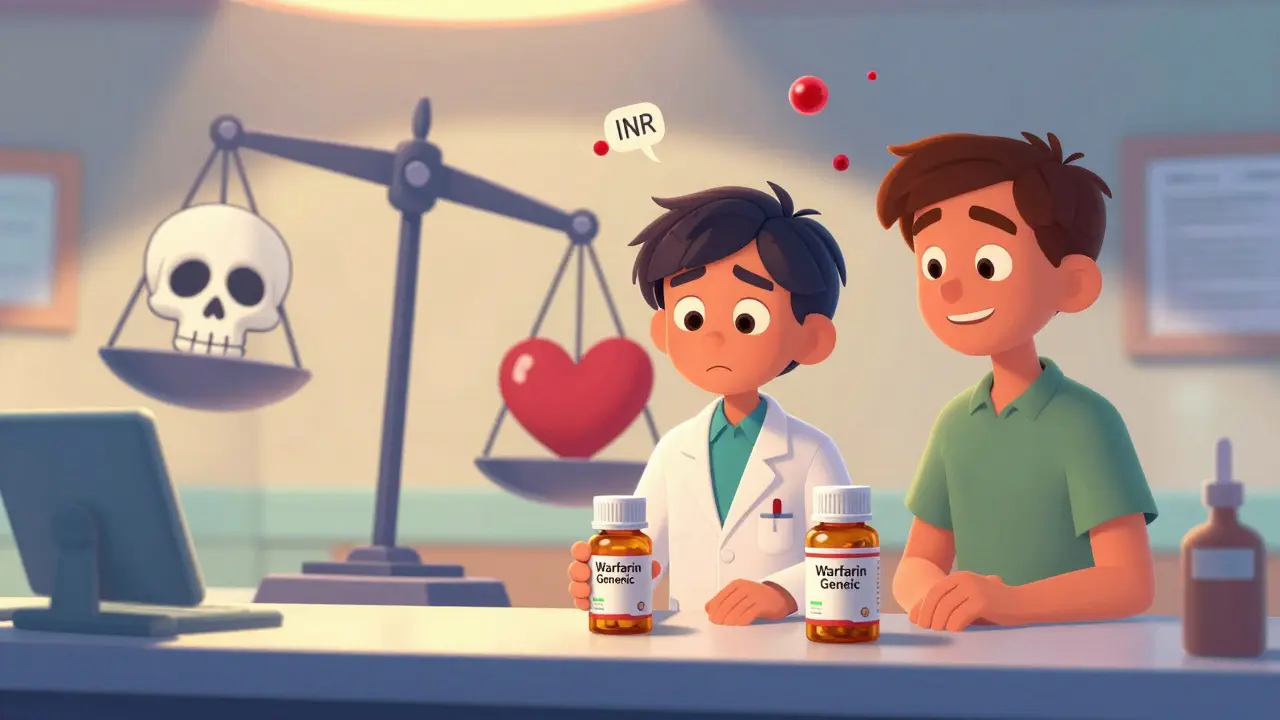
Pharmacist Concerns About NTI Generics: What You Need to Know in 2026
Pharmacists are raising alarms about NTI generics - drugs where tiny dosage changes can cause serious harm. With inconsistent manufacturing, patchy state laws, and rising adverse events, patient safety is at risk. Here’s what you need to know in 2026.

Dissolution Testing: How the FDA Ensures Generic Drug Quality
The FDA uses dissolution testing to ensure generic drugs release medicine at the same rate as brand-name versions, guaranteeing safety and effectiveness without requiring human trials. This science-based method is critical for approving affordable generics.

Bridging Studies for NTI Generics: Ensuring Safety and Efficacy in Critical Medications
NTI generics require specialized bridging studies to ensure safety and efficacy due to their narrow therapeutic window. Learn how these complex studies work, why they're costly, and what's being done to improve access.

Quality by Design in Generic Drug Development: Modern Science-Based Approaches
Quality by Design (QbD) transforms generic drug development by building quality into the process from the start. Learn how QbD improves bioequivalence, reduces approval times, and cuts costs through science-based design spaces and real-time monitoring.