Medication Errors: What They Are, How They Happen, and How to Stop Them
When you take a pill, you expect it to help—not hurt. But medication errors, mistakes in prescribing, dispensing, or taking medicines that lead to harm or potential harm. Also known as drug errors, these aren’t just rare accidents—they happen every day in homes, pharmacies, and hospitals across Canada. A study from Health Canada found that nearly 1 in 5 seniors experiences a medication error each year. And it’s not just older adults. Parents misreading labels, busy nurses confusing similar-sounding drugs, patients skipping doses because they’re confused—all of it adds up.
These errors don’t always come from carelessness. Sometimes, they’re built into the system. dosing mistakes, giving the wrong amount of a drug, whether too much or too little. Also known as incorrect dosage, it’s one of the most common causes of hospital visits related to medications. Think of it like this: if you take two pills instead of one because the label is small and the font is blurry, that’s a medication error. If you mix warfarin with too much vitamin K without realizing it, that’s another. And if you stop taking your antibiotics early because you feel better, that’s not just nonadherence—it’s a risk for resistant infections.
Then there’s adverse drug reactions, harmful effects from medicines that weren’t expected or properly monitored. Also known as drug side effects, these can be mild or life-threatening. They’re often mistaken for allergies. But true allergies involve your immune system. Most reactions? Just your body reacting badly to a dose, a mix, or a change you didn’t know about. That’s why knowing the difference between side effects and allergies matters—mislabeling can lead to worse treatments down the road.
And let’s not forget medication adherence, how well a patient follows their prescribed treatment plan. Also known as drug compliance, it’s not about being lazy or forgetful—it’s about complexity, cost, and confusion. Half of all people don’t take their meds as directed. Why? Because they can’t afford them. Because the bottle says "take with food" but they’re not sure what counts as food. Because they’re on seven pills and no one ever sat down to explain how they fit together. These aren’t just personal struggles—they’re system failures that lead to medication errors.
What you’ll find below isn’t a list of scary stories. It’s a practical guide built from real cases and real solutions. You’ll learn how to read labels so you don’t accidentally double-dose. How to tell your doctor the difference between a side effect and an allergy. How to safely dispose of old pills so they don’t end up in someone else’s medicine cabinet. How family members can help prevent mistakes when someone’s on multiple drugs. And how even something as simple as a food diary can stop a dangerous interaction with warfarin.
Medication errors aren’t inevitable. They’re fixable. But only if you know what to look for—and what to do about it.
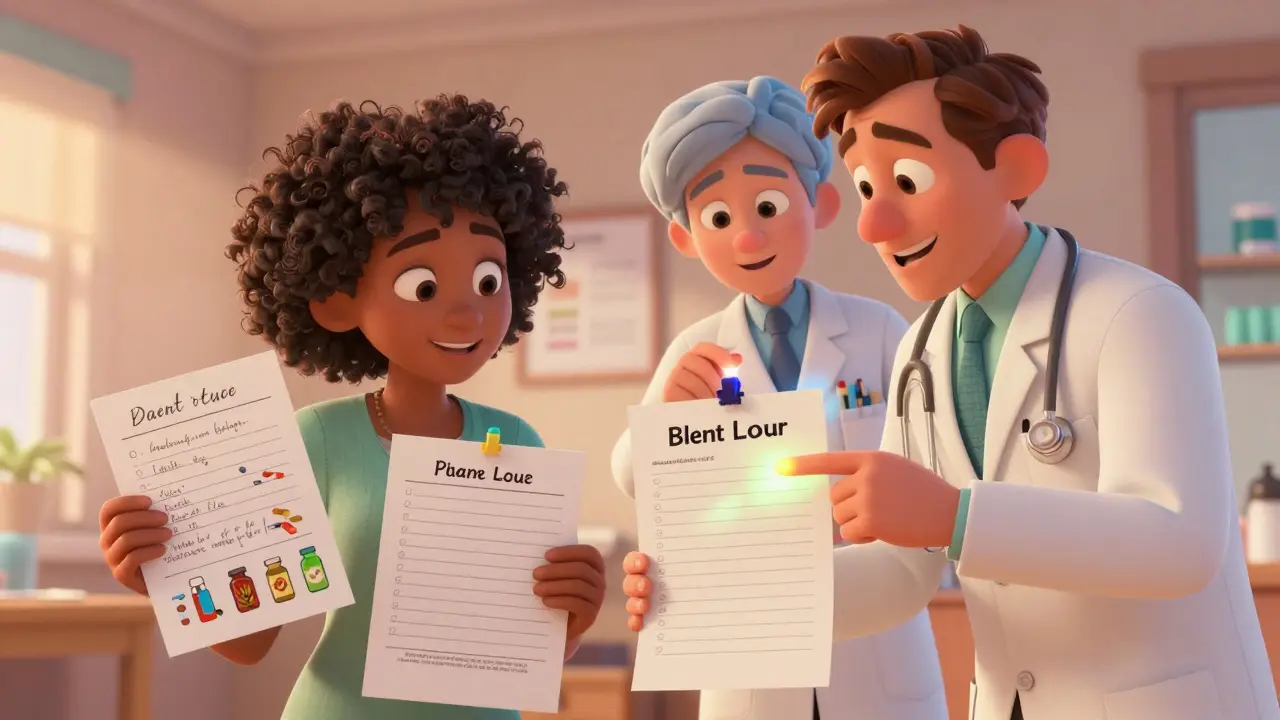
How to Reconcile Medications After Hospital Discharge to Avoid Dangerous Interactions
After hospital discharge, medication errors are common and dangerous. Learn how to reconcile your meds to avoid interactions, prevent readmissions, and take control of your health. Key steps include comparing lists, asking why changes were made, and talking to your pharmacist.
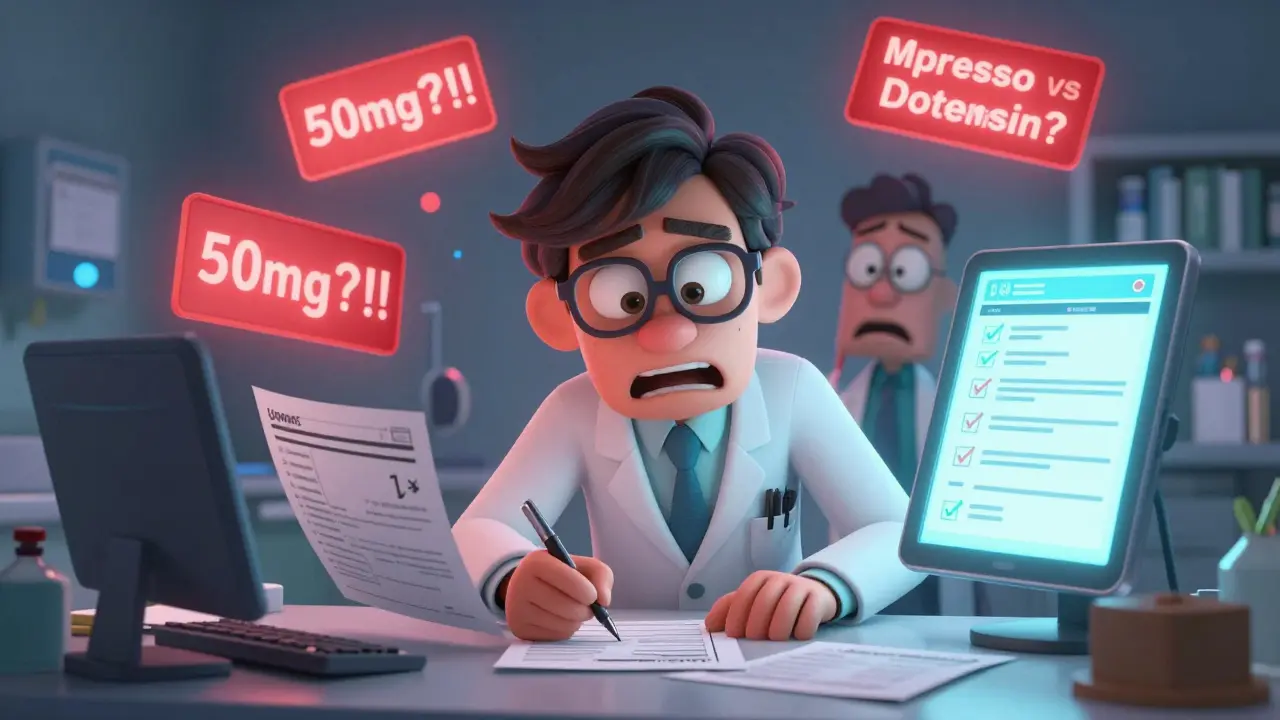
Illegible Handwriting on Prescriptions: How Electronic Systems Are Saving Lives
Illegible handwriting on prescriptions causes thousands of preventable deaths each year. E-prescribing has cut these errors by 97%, but adoption isn't universal. Here's how digital systems are saving lives - and what still needs to change.
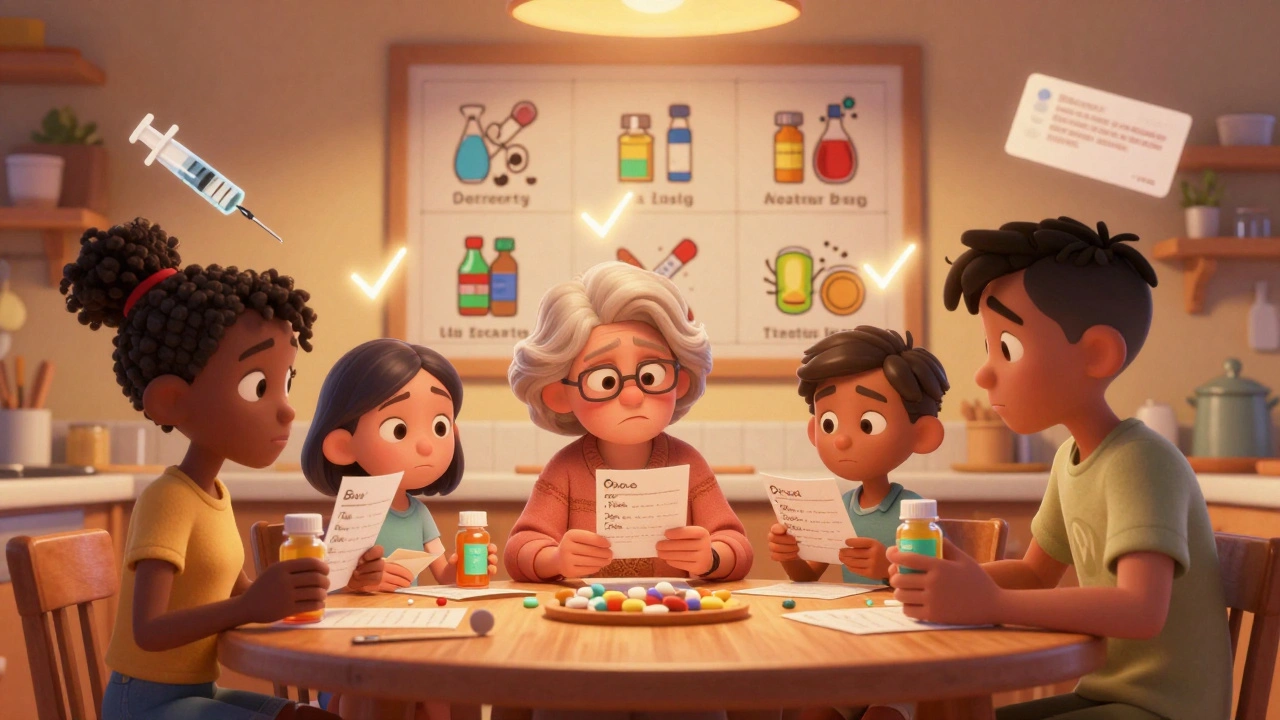
What Is Medication Safety and Why It Matters for Every Patient
Medication safety prevents harmful errors in drug use-from prescribing to taking pills at home. With over 1.5 million ER visits yearly from avoidable drug problems, it’s not just a hospital issue-it’s every patient’s responsibility.
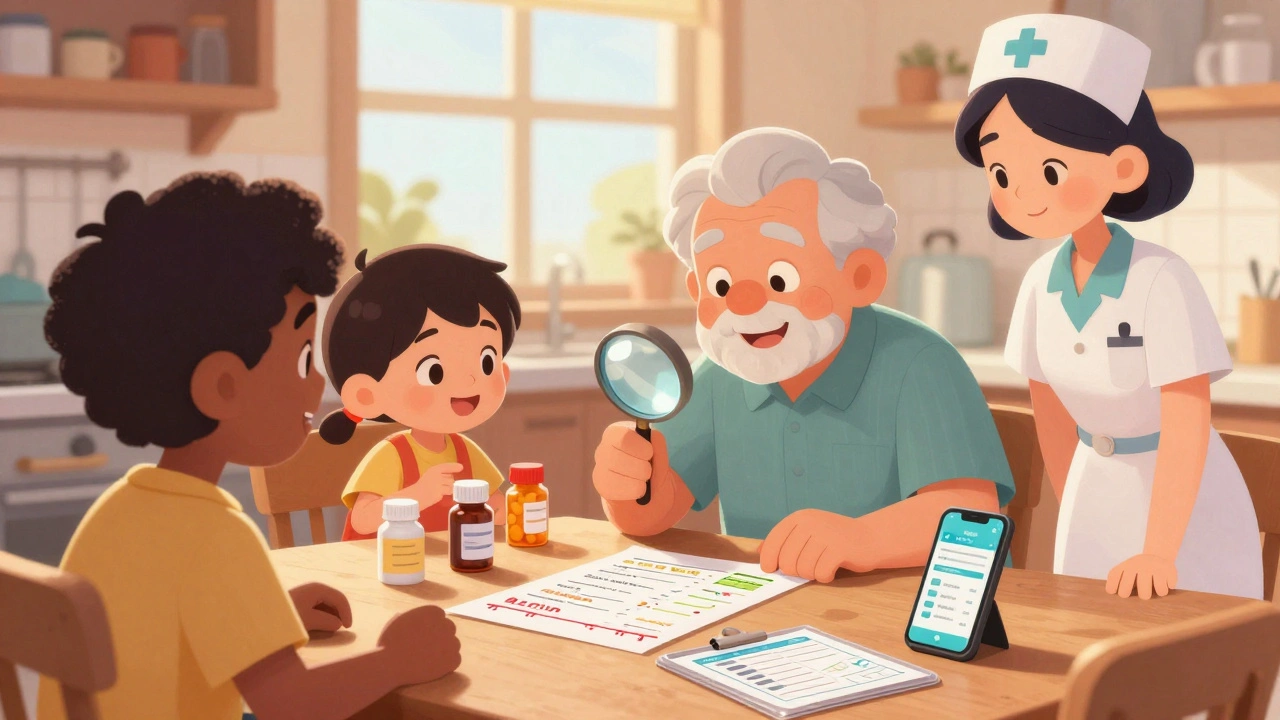
How to Keep a Complete Medication List for Safe Care Coordination
Keep a complete, up-to-date medication list to prevent dangerous errors, improve care coordination, and speak up for your health. Learn what to include, how to use it, and why it saves lives.