Author: Imogen Callaway - Page 5

Quality by Design in Generic Drug Development: Modern Science-Based Approaches
Quality by Design (QbD) transforms generic drug development by building quality into the process from the start. Learn how QbD improves bioequivalence, reduces approval times, and cuts costs through science-based design spaces and real-time monitoring.

Antibiotics for Bacterial Infections: Classes and How They Work
Antibiotics fight bacterial infections by targeting specific parts of bacteria-cell walls, protein factories, or DNA. Learn how the main classes work, why resistance is growing, and what you can do to help.

Nebulizers vs. Inhalers: Which One Actually Works Better for Asthma and COPD?
Nebulizers and inhalers both deliver asthma and COPD meds, but which one actually works better? Science shows inhalers with spacers are faster, cheaper, and just as effective - unless you're a young child or can't coordinate breathing.
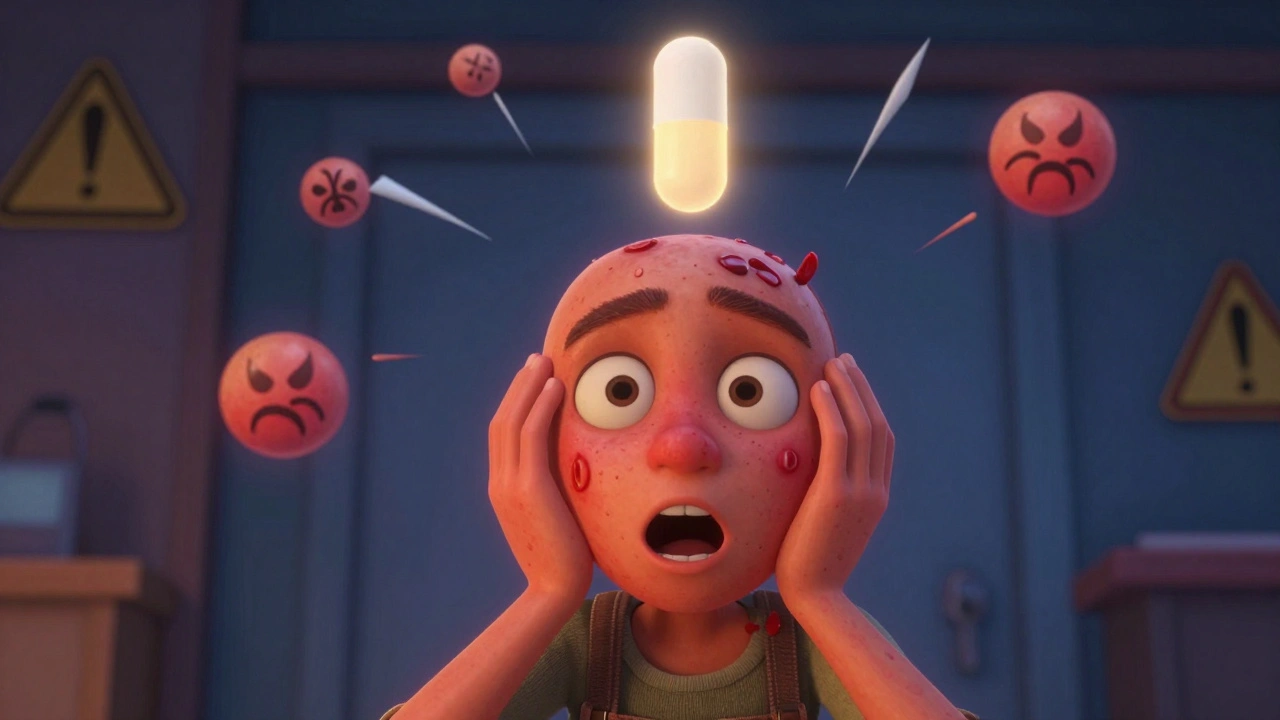
Antihistamine Allergies and Cross-Reactivity: What to Watch For
Some people develop hives or allergic reactions from antihistamines instead of relief. This rare but real condition is caused by receptor changes, not typical allergies. Learn how to recognize it, why tests often miss it, and what to do next.

How to Prepare Unused Medications for Take-Back Events: Simple Steps to Stay Safe and Legal
Learn how to safely prepare unused medications for take-back events. Follow simple steps to protect privacy, prevent misuse, and stop pharmaceutical pollution. No flushing. No trash. Just safe disposal.

How to Keep a Complete Medication List for Safe Care Coordination
Keep a complete, up-to-date medication list to prevent dangerous errors, improve care coordination, and speak up for your health. Learn what to include, how to use it, and why it saves lives.

Insomnia: Why Cognitive Behavioral Therapy Beats Sleep Medications Long-Term
CBT-I is the most effective, long-lasting treatment for chronic insomnia-beating sleep medications in both effectiveness and safety. Learn how behavioral therapy rewires your sleep habits for good.
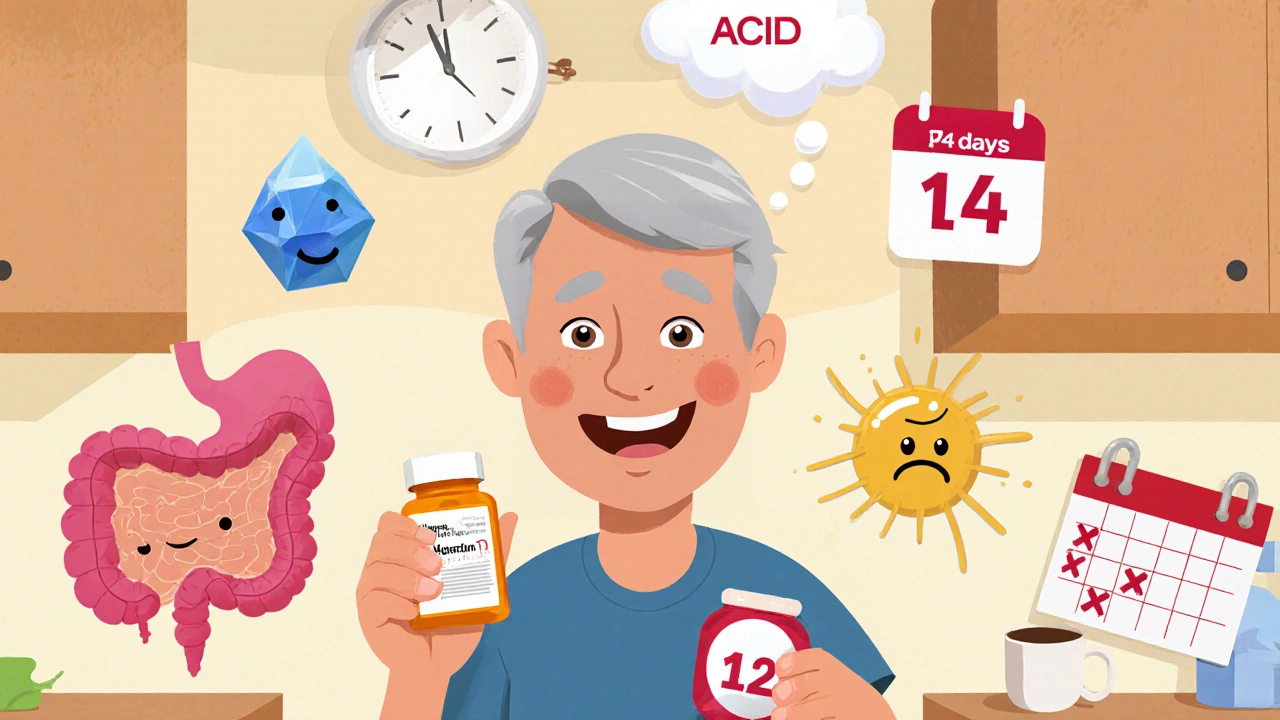
Proton Pump Inhibitors: Long-Term Risks and When to Stop
Proton pump inhibitors help with heartburn and ulcers, but long-term use carries real risks like bone fractures, kidney issues, and vitamin deficiencies. Learn when to stop and how to do it safely.

Hormone Replacement Therapy: Benefits, Risks, and Monitoring
Hormone Replacement Therapy can relieve menopause symptoms and protect bone health-but only when used correctly. Learn who benefits, what the real risks are, and how to monitor HRT safely.

How to Calculate Total Cost of Therapy Beyond the Copay
Therapy costs go far beyond your copay. Learn how deductibles, coinsurance, in-network vs. out-of-network providers, and session frequency affect your total out-of-pocket expenses for mental health care.