Author: Aidan Whiteley
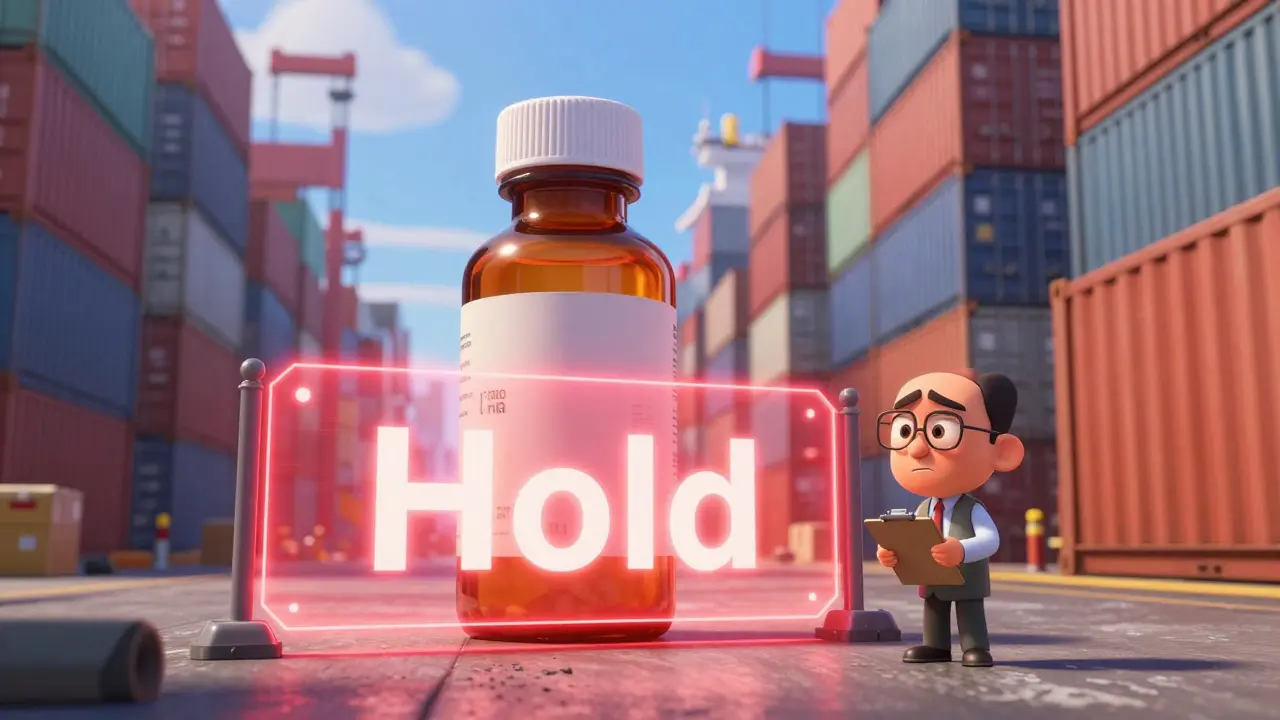
FDA Import Inspections: How Drugs Enter the US and Avoid Delays
Learn how the FDA monitors drugs entering the US, from the 5-phase inspection process to the SSCPP fast-track. Avoid costly port delays and detentions.

Stability Testing Requirements: Temperature and Time Conditions Explained
Learn the exact stability testing requirements for pharmaceuticals, including standard temperature and humidity conditions, climatic zones, and regulatory timelines defined by ICH Q1A(R2).

Home Hemodialysis Guide: Schedules, Training, and Clinical Outcomes
Learn everything about Home Hemodialysis, including training timelines, flexible treatment schedules, and proven health outcomes. Discover how managing ESRD at home can improve survival rates.

Pancreatitis: Acute vs. Chronic and Nutrition in Recovery
Understanding the difference between acute and chronic pancreatitis is vital for recovery. Learn about symptom recognition, essential nutritional protocols, and how to manage long-term enzyme therapy.

Immunogenicity in Biosimilars: Understanding Why Immune Responses Vary
Explore why immune responses may differ between biosimilars and reference biologics. Learn about immunogenicity risks, manufacturing factors, and real-world evidence on safety.

How to Prevent Accidental Double-Dosing of Medications at Home
Accidental double-dosing of medications is a common and dangerous home safety issue, especially for older adults and children. Learn practical, proven steps - from pill organizers to digital reminders - to prevent overdose and keep your household safe.

Managing Statin Side Effects: Dose Adjustment and Switching Strategies
Statin side effects like muscle pain are common, but rarely mean you need to stop taking them. Learn how dose adjustments and switching statins can help you stay on therapy and protect your heart.
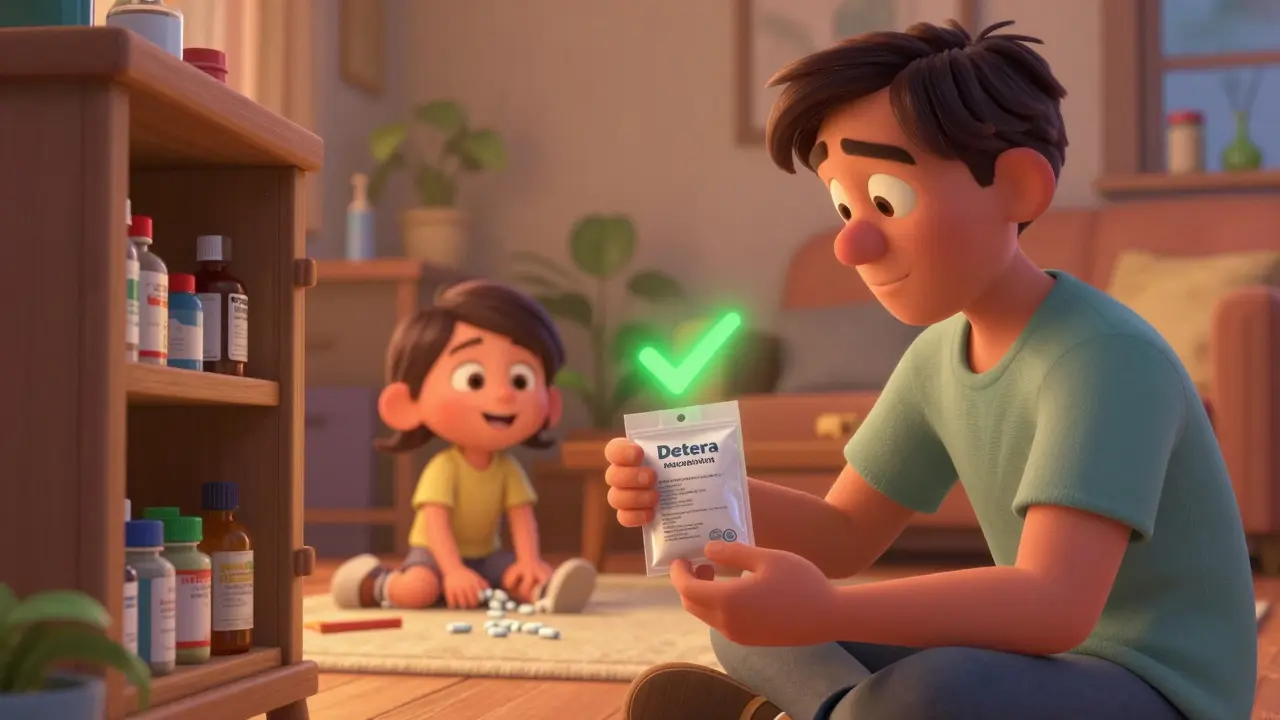
How to Dispose of Unused Opioids to Prevent Misuse and Overdose
Learn the four safe, proven ways to dispose of unused opioids to prevent misuse, accidental overdose, and environmental harm. From take-back programs to deactivation pouches, this guide gives you clear, actionable steps backed by CDC and FDA data.
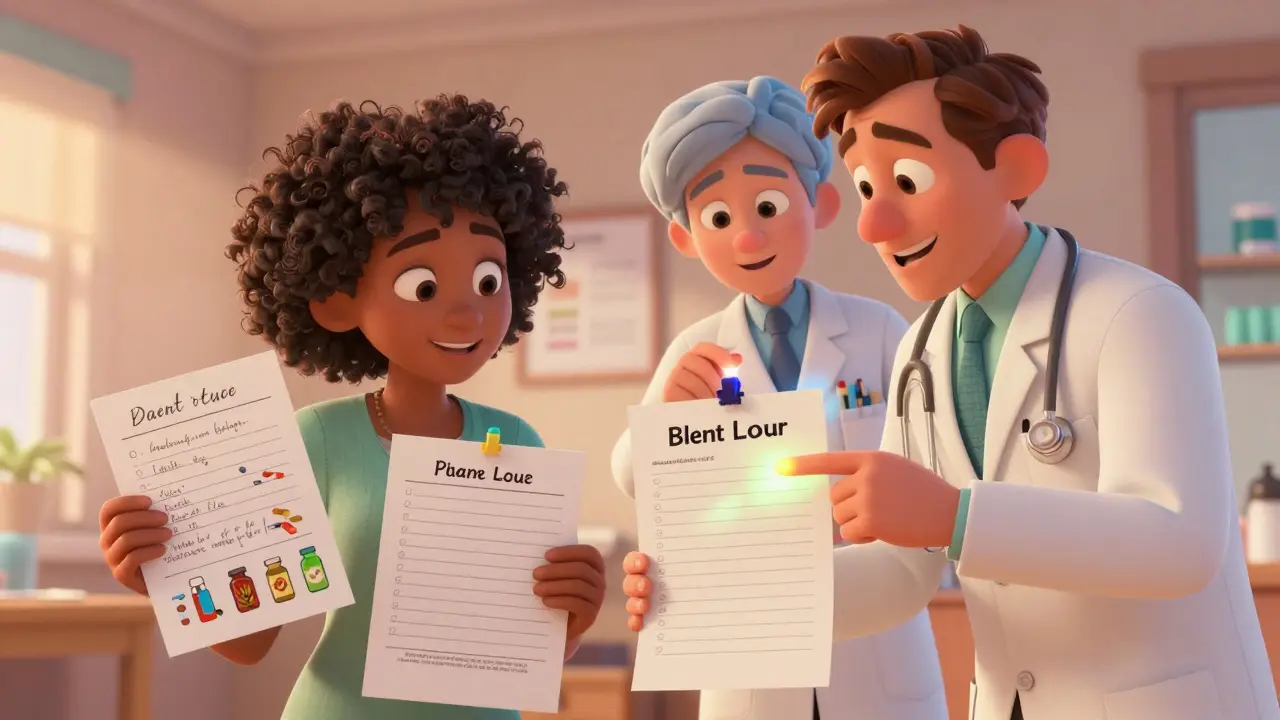
How to Reconcile Medications After Hospital Discharge to Avoid Dangerous Interactions
After hospital discharge, medication errors are common and dangerous. Learn how to reconcile your meds to avoid interactions, prevent readmissions, and take control of your health. Key steps include comparing lists, asking why changes were made, and talking to your pharmacist.
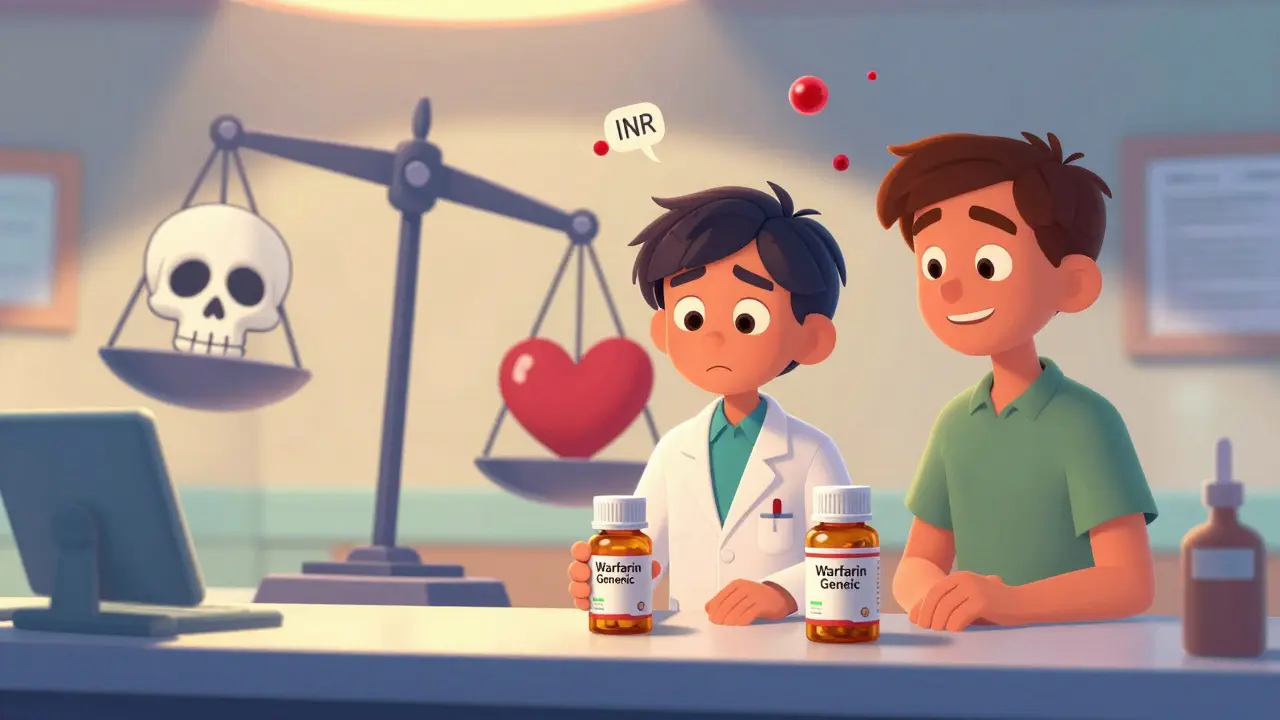
Pharmacist Concerns About NTI Generics: What You Need to Know in 2026
Pharmacists are raising alarms about NTI generics - drugs where tiny dosage changes can cause serious harm. With inconsistent manufacturing, patchy state laws, and rising adverse events, patient safety is at risk. Here’s what you need to know in 2026.