Medications: Clear Facts, Smart Choices
Choosing a medicine should feel simple, but it often isn’t. On this page you'll find readable guides on common drugs, smart alternatives, and money-saving tips. Each article explains what the drug treats, how it works, common side effects, and practical steps you can take with your doctor.
Start by searching the topics that matter to you: antivirals like Famvir, antibiotics such as Zithromax or Cephalexin, diabetes drugs including Metformin alternatives, or acne and erectile dysfunction options. We group content to help you compare real choices side by side. Want to avoid weight gain, liver risk, or high costs? Look for articles that focus on metabolic safety, dosing, and price breakdowns.
How to use these guides
Read one article for a quick answer, or compare two to three when you want options. Check the 'pros and cons' sections for side effects and when a drug is most useful. Use our lab-monitoring tips before and during treatment—blood tests or liver checks can spot problems early. If you see a term you don’t know, the site glossary often has plain-language definitions.
Safety, costs, and alternatives
Never change or stop a prescription without talking to your prescriber. If cost is an issue, articles like our Cephalexin price breakdown and tips on buying cheaper medications can help. For common side effects we offer alternatives for example, non-steroid options instead of Prednisone, or acne treatments that avoid isotretinoin when possible. Each alternative lists who it helps and who should avoid it.
We also highlight routine checks that improve safety. For mental health medicines, metabolic labs and weight checks matter. For pain and fever drugs, watch liver doses and combined use with alcohol. For antibiotics, follow duration and dose to cut resistance risk. These small steps reduce harm and keep treatment effective.
Want faster answers? Look at our recent posts: 'Famvir: Everything You Need to Know', 'Finding Meds Like Abilify Without Weight Gain', and 'Cephalexin Price Breakdown'. These pieces give solid next steps you can discuss with your clinician. Each article links to official prescribing information and common patient questions.
If you’re comparing drugs, use three quick checks: what symptom improves, which side effects are most likely, and what monitoring you need. That makes conversations with your clinician clearer and decisions safer. We aim to give straightforward info so you leave better prepared for doctor's visits.
Read labels carefully: check active ingredients, dose per tablet, and special warnings. If you take more than one medicine, list every prescription and over-the-counter drug to check for interactions. For chronic conditions ask about long-term monitoring and lifestyle steps that boost effectiveness. If you're unsure, bring a medication list to every appointment and ask for written instructions you can follow at home.
Have feedback or a medication topic you want covered? Send us a suggestion. We update content regularly to reflect new treatments and cost changes in Canada. Use our guides as a starting point — then confirm specifics with your healthcare team. Stay curious and cautious.

How the FDA Tracks Drug Safety After Approval: A Deep Dive into Postmarket Surveillance
Learn how the FDA ensures your medication remains safe after it hits the market using FAERS, the Sentinel Initiative, and REMS programs to track adverse events.

Immunogenicity in Biosimilars: Understanding Why Immune Responses Vary
Explore why immune responses may differ between biosimilars and reference biologics. Learn about immunogenicity risks, manufacturing factors, and real-world evidence on safety.

How to Prevent Accidental Double-Dosing of Medications at Home
Accidental double-dosing of medications is a common and dangerous home safety issue, especially for older adults and children. Learn practical, proven steps - from pill organizers to digital reminders - to prevent overdose and keep your household safe.

Managing Statin Side Effects: Dose Adjustment and Switching Strategies
Statin side effects like muscle pain are common, but rarely mean you need to stop taking them. Learn how dose adjustments and switching statins can help you stay on therapy and protect your heart.

Medications and Driving: How Common Drugs Can Impair Your Ability to Drive Safely
Many common medications-prescription and over-the-counter-can severely impair driving ability, leading to crashes, legal trouble, and even death. Learn which drugs are most dangerous, how they affect your body, and what steps you can take to stay safe on the road.
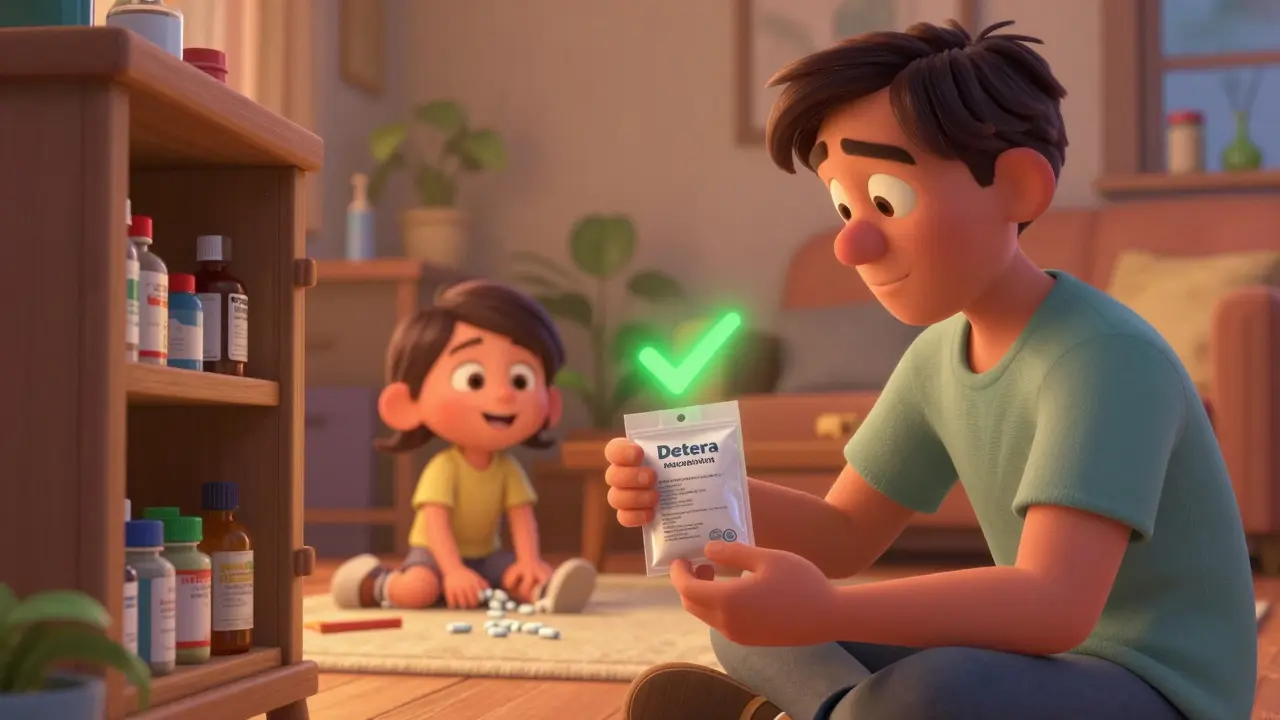
How to Dispose of Unused Opioids to Prevent Misuse and Overdose
Learn the four safe, proven ways to dispose of unused opioids to prevent misuse, accidental overdose, and environmental harm. From take-back programs to deactivation pouches, this guide gives you clear, actionable steps backed by CDC and FDA data.

Azathioprine and TPMT Testing: How Genetic Screening Prevents Life-Threatening Side Effects
Azathioprine can cause life-threatening side effects in people with certain genetic variants. TPMT and NUDT15 testing helps identify those at risk before damage occurs, preventing severe myelosuppression and hospitalization.
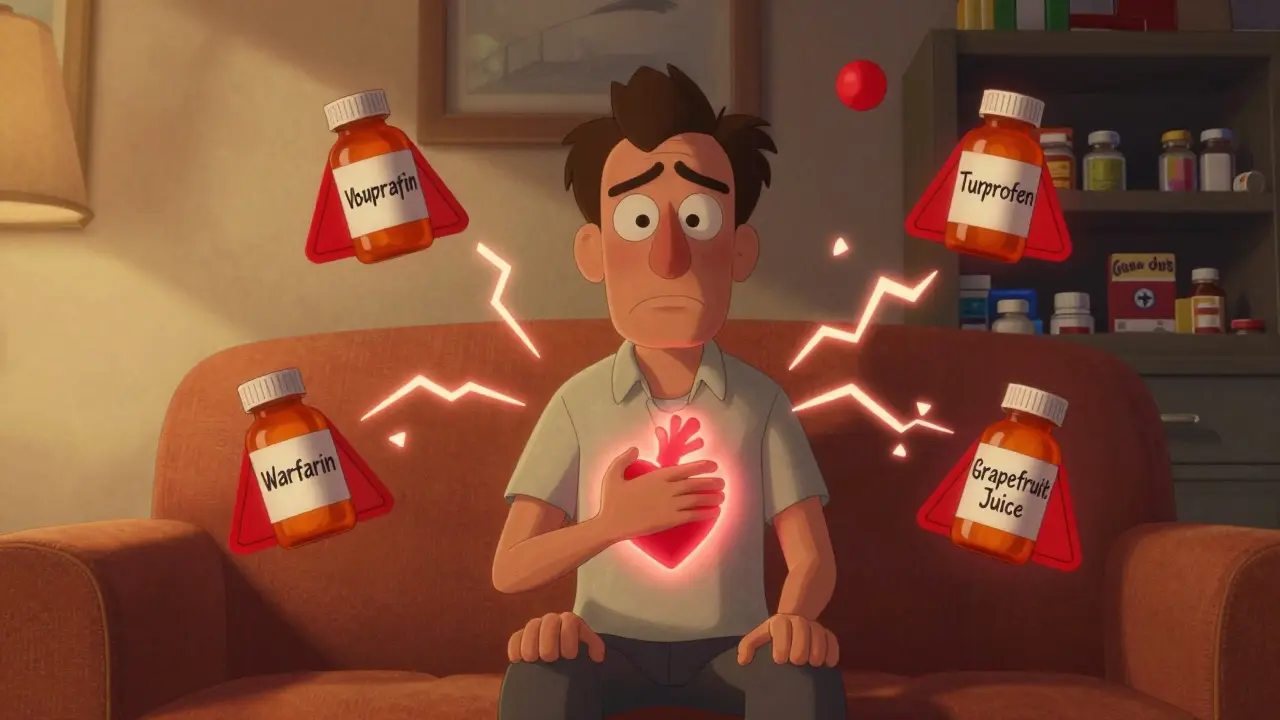
Heart Medications and Their Dangerous Combinations: What to Avoid
Heart medications can interact dangerously with common drugs and supplements, leading to life-threatening complications. Learn the top 7 dangerous combinations to avoid and what steps to take right now to protect yourself.

How to Reconcile Medications After Hospital Discharge to Avoid Dangerous Interactions
After hospital discharge, medication errors are common and dangerous. Learn how to reconcile your meds to avoid interactions, prevent readmissions, and take control of your health. Key steps include comparing lists, asking why changes were made, and talking to your pharmacist.

Global Perspectives on Generics: How Countries Cut Drug Costs Without Sacrificing Quality
Global policies on generic drugs vary wildly - from China's 90% price cuts to the U.S.'s 90% usage rate. Learn how countries balance affordability, quality, and supply - and what happens when the system breaks.